LUCKNOW / KATHMANDU — Severe torrential downpours across South Asia have triggered widespread flooding and deadly landslides, leaving at least 68 people dead across northern India and neighboring Nepal over a 72-hour period.
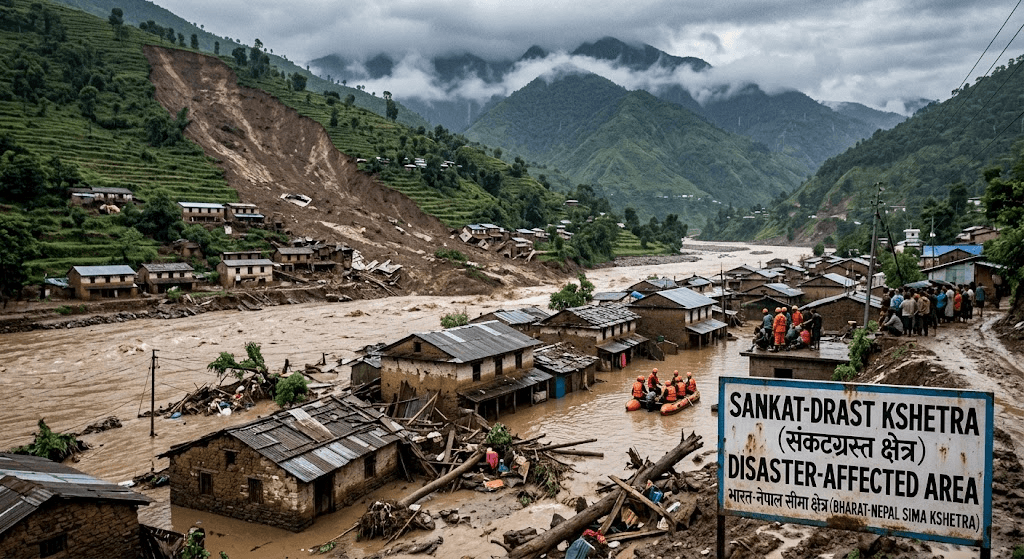
The sudden surge in extreme monsoon weather has submerged entire communities, swept away vital infrastructure, and forced thousands of residents from their homes.
In India's most populous state of Uttar Pradesh, home to over 240 million people, disaster relief officials confirmed that at least 56 people lost their lives due to rain-related incidents.
The destruction was driven by a deep depression over the Bay of Bengal that moved inland, unleashing exceptionally heavy downpours. Uttar Pradesh recorded 66.5 mm of rainfall between Friday and Sunday—nearly nine times the seasonal average of 7.6 mm for that period.
According to report details from the State Relief Commissioner’s Office and local authorities, the deluge caused severe widespread damage. Over 1,000 homes were damaged or completely collapsed under the combined force of floodwaters and unstable ground. In the neighboring eastern state of Odisha, authorities evacuated more than 70,000 residents from low-lying riverine basins to emergency shelters as river levels surged past danger marks. Additionally, the flooding inundated tens of thousands of acres of standing crops, sparking serious concerns among farmers over immediate losses and delays for the upcoming planting season.
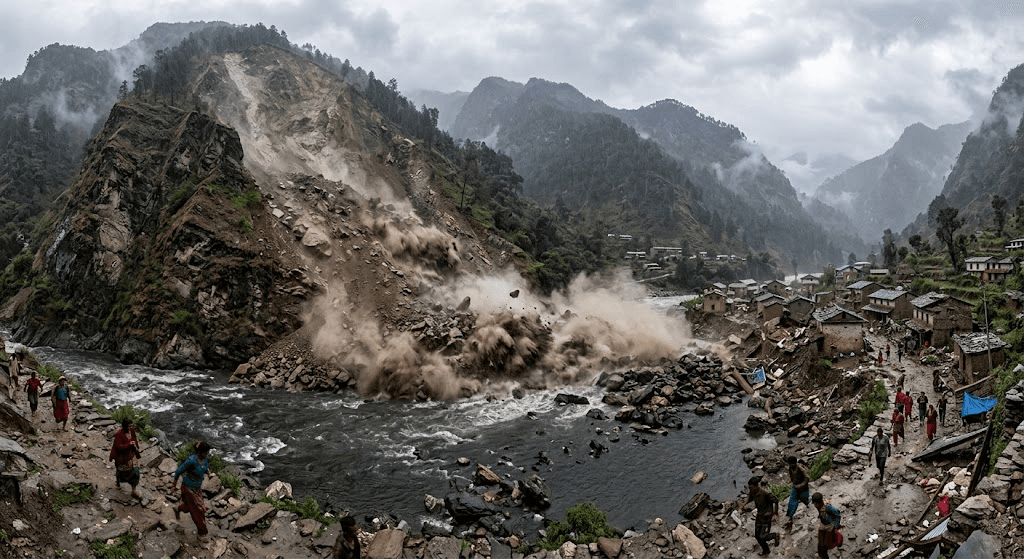
Across the border, Nepal was hit by a fresh wave of mudslides and flash floods. Disaster management spokesperson Shanti Mahat confirmed that at least 12 people have died and seven remain missing following rainfall that began Thursday.
The new surge in rain-related casualties comes while the Himalayan nation is still recovering from catastrophic flooding in late August—triggered by a massive glacial collapse near the China-Nepal border—which left more than 1,400 people dead and thousands missing.
Search and rescue operations are ongoing, but ongoing mudslides, damaged bridges, and washed-out roads have hindered emergency crews trying to reach remote mountain villages.
While the monsoon season (June through September) regularly brings heavy rains to South Asia, meteorologists and climate scientists point out that the intensity and frequency of these extreme events are escalating. Unusually high sea-surface temperatures in the Bay of Bengal continue to feed intense storm systems inland, creating severe local localized deluge conditions that overmatch existing drainage and hill-slope infrastructure.
Local authorities in both nations have issued flood alerts for regions along major river basins as emergency teams remain on high alert.
Published by Banx Network. This article is part of the Banx decentralized media programme, powered by the BXE token on the XRP Ledger.