In the silent, frozen depths of Antarctica, a detector buried beneath the ice waits for ghosts from the cosmos. These ghosts are neutrinos, nearly massless particles that travel across the universe unimpeded by matter. Recently, one such particle triggered a chain of discovery that stretched back 11 billion years, leading astronomers to a distant, young galaxy they have dubbed the "Shadow Blaster." This event illustrates the profound connection between the smallest particles and the largest structures in the universe.
The IceCube Neutrino Observatory, located at the South Pole, detected a high-energy neutrino that originated from deep space. Unlike light, which can be blocked or absorbed, neutrinos pass through stars and galaxies with ease, carrying direct information from their sources. When this specific neutrino struck the ice, it created a flash of light that alerted scientists to trace its path back to its origin, a journey that required coordinating telescopes around the world.
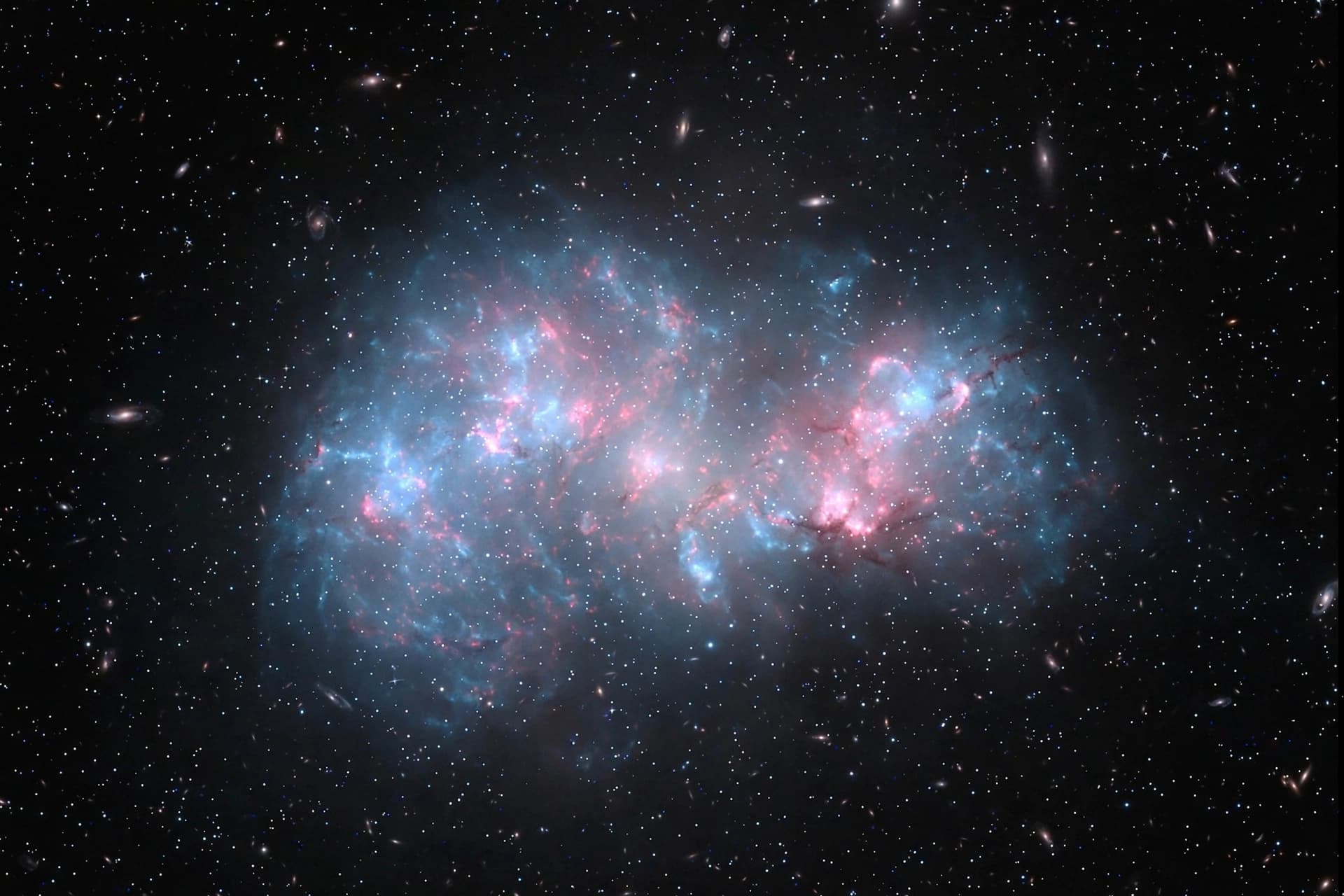
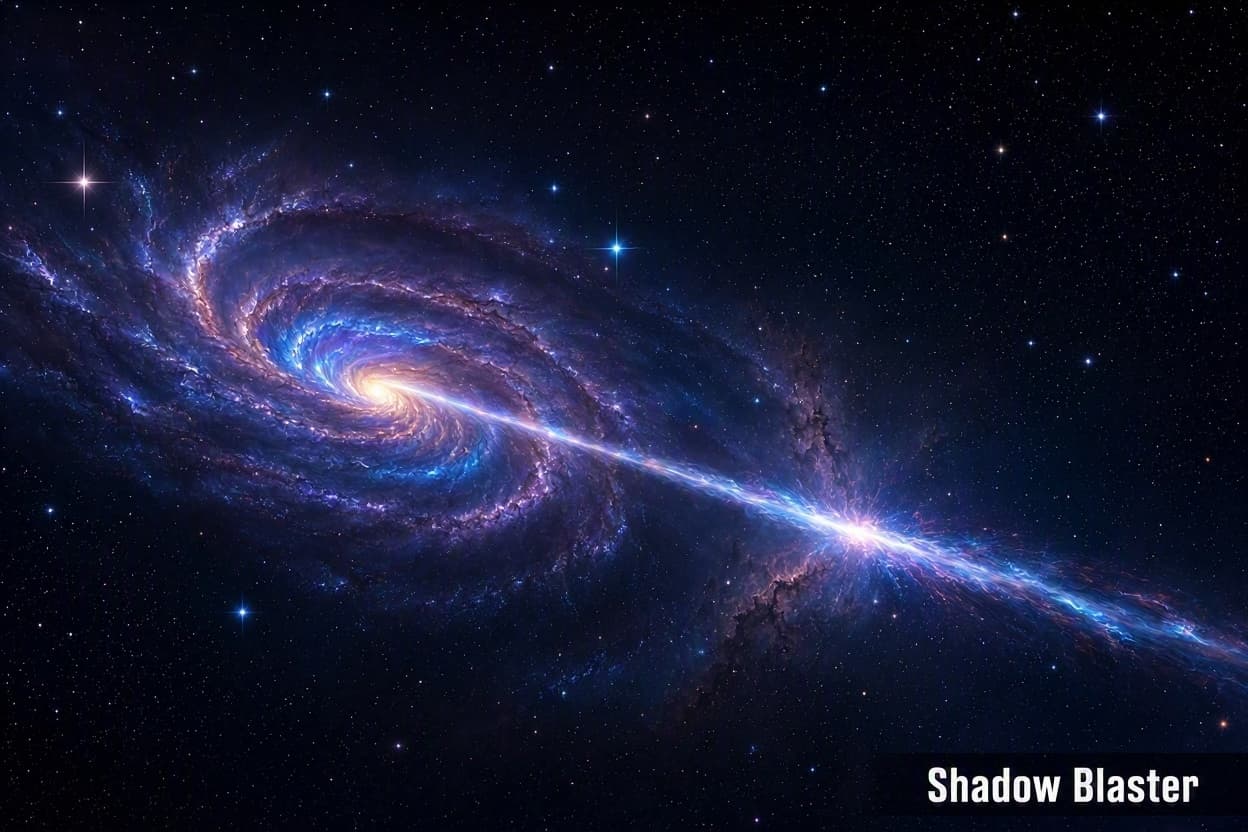
The source was identified as a galaxy so distant that its light has been traveling for 11 billion years to reach us. This galaxy, in its youth, was intensely active, likely harboring a supermassive black hole that accelerated particles to incredible speeds. The nickname "Shadow Blaster" reflects its elusive nature and the powerful energy it emits, blasting particles across the cosmic void.
What made this discovery particularly remarkable was the role of gravitational lensing. A massive galaxy cluster lay between Earth and the Shadow Blaster, acting as a natural magnifying glass. Its gravity bent the light from the distant galaxy, amplifying its brightness and allowing astronomers to study it in greater detail than would otherwise be possible. This cosmic alignment turned a faint signal into a visible treasure.
The combination of neutrino astronomy and gravitational lensing opens new windows into the early universe. By studying these ancient galaxies, scientists can learn about the formation of black holes, the evolution of stars, and the conditions that prevailed shortly after the Big Bang. Each detection adds a piece to the puzzle of cosmic history.
For the researchers involved, the moment was one of awe and validation. It confirmed that multi-messenger astronomy—using both particles and light—can reveal secrets that traditional methods might miss. The collaboration between ice-bound detectors and space-based telescopes demonstrates the power of global scientific cooperation.
The Shadow Blaster is now a focal point for further study. As technology improves, astronomers hope to detect more such events, mapping the high-energy universe in unprecedented detail. Each neutrino brings a story from the edge of time, waiting to be heard by those who listen in the ice.
The detection of a single neutrino from the Shadow Blaster galaxy highlights the ingenuity of modern astronomy. It connects the icy silence of Antarctica with the fiery youth of the distant universe, reminding us that even the smallest signals can illuminate the greatest mysteries.
AI Image Disclaimer: Visuals associated with this article are AI-generated interpretations designed to reflect the urgency and scale of the public safety concern.
Sources: IceCube Collaboration, Nature Astronomy, NASA, ScienceDaily
Published by Banx Network. This article is part of the Banx decentralized media programme, powered by the BXE token on the XRP Ledger.