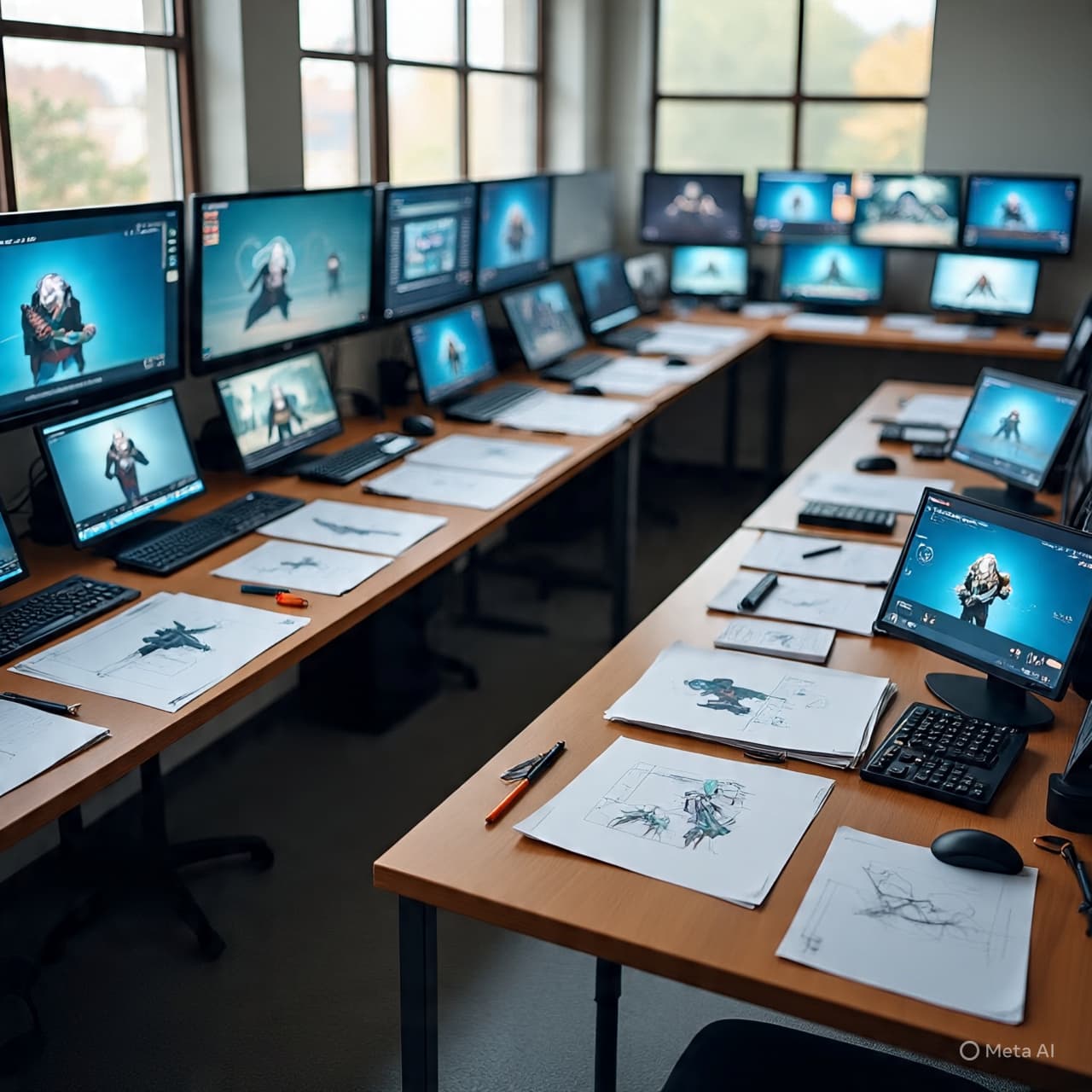
In a market’s ebb and flow, the crest of excitement can sometimes meet an unexpected undertow. On Thursday, investors in Paris saw such a moment as shares of French video game giant Ubisoft — the creative home of iconic franchises like Assassin’s Creed — fell sharply, losing roughly 33 percent of their value in a single session.
At the heart of this sell-off was a sweeping announcement by Ubisoft’s leadership: a reorganization of the company’s structure and a bold decision to cancel six upcoming games that had been in development. This included highly anticipated projects such as a remake of Prince of Persia: The Sands of Time, one title whose very name carried the echo of early-2000s gaming nostalgia.
The new strategic blueprint, set to take effect in April 2026, will divide Ubisoft into five creative divisions, each devoted to distinct genres and franchises, from flagship open-world titles to live-service experiences and family-friendly games. The intent is to foster sharper focus and more agile creative output — a response to years of uneven releases and financial strain.
Yet for many observers, the immediate reaction in markets was stark: skepticism that this “reset” can swiftly restore confidence. Ubisoft trimmed its bookings forecast for 2026 and withdrew its earlier guidance for 2026–27, signaling to investors a cautious near-term outlook.
Trading was so tumultuous that the stock briefly hit its lowest levels in more than a decade, underscoring how deeply the market felt the impact of the news. This drop marked one of the largest single-day declines since Ubisoft’s public debut in 1996.
For Ubisoft’s loyal fans, the cancellations resonate on another level — they represent stories that will not be told, worlds that will not be explored, at least not in the form once envisioned. For employees and the wider industry, the restructuring marks a pivotal moment in how large publishers grapple with rising development costs and changing player expectations.
As markets and creators alike absorb the shock, one truth remains clear: gaming’s future — like any art shaped by commerce — moves forward through adaptation. Whether this reset becomes a turning point or a cautionary tale will unfold in the months ahead.
AI Image Disclaimer (rotated wording) “Visuals are created with AI tools and are not real photographs.”
Sources (media names only) Reuters Associated Press AFP Video Games Chronicle Reuters/Finance Yahoo News
Published by Banx Network. This article is part of the Banx decentralized media programme, powered by the BXE token on the XRP Ledger.