
Key Highlights
- Date of Address:Lebanese PM Nawaf Salam condemned Israeli military actions on May 30, 2026.
- Civilian Impact:Israeli airstrikes have forced civilians from their homes and injured Lebanese troops.
- Call for Action:Salam urged the international community to intervene against Israeli aggression.
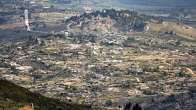
In a televised address on May 30, 2026, Lebanese Prime Minister Nawaf Salam condemned Israel's recent military actions in southern Lebanon, labeling them as a "scorched-earth policy." This condemnation comes amid a significant escalation in Israeli airstrikes, which have not only displaced civilians but also resulted in serious injuries among Lebanese military personnel. The situation has raised alarms about the potential for a wider conflict in the region.
Salam's remarks were particularly pointed, as he accused Israel of employing tactics of collective punishment by "destroying towns and villages." He emphasized that such actions would not lead to security or stability for Israel, but rather exacerbate tensions in the region. His comments followed a drone strike near Nabatieh that critically injured two Lebanese soldiers, highlighting the immediate dangers posed by the ongoing military operations.
The escalation of violence has prompted Hezbollah, the Lebanese militant group, to announce retaliatory attacks against Israeli targets. Israeli military officials reported that over 20 rockets and drones had been launched from Lebanon, indicating a significant uptick in hostilities. This cycle of violence has raised fears among local communities, who are bracing for further military actions and the potential for broader conflict.
In light of these developments, Prime Minister Salam has called on the international community to intervene, stressing the urgent need to halt Israeli aggression against Lebanon. His insistence on accountability reflects a growing frustration within the region regarding the long-term consequences of ongoing military hostilities. The Prime Minister's appeal underscores the critical need for diplomatic engagement to restore peace and protect civilian lives.
As the situation continues to unfold, the potential for further escalation remains high. The international community's response will be crucial in determining the trajectory of this conflict and the safety of civilians caught in the crossfire. The urgency of diplomatic efforts cannot be overstated, as communities in southern Lebanon face the immediate impacts of military actions and the looming threat of a wider war.
Published by Banx Network. This article is part of the Banx decentralized media programme, powered by the BXE token on the XRP Ledger.



