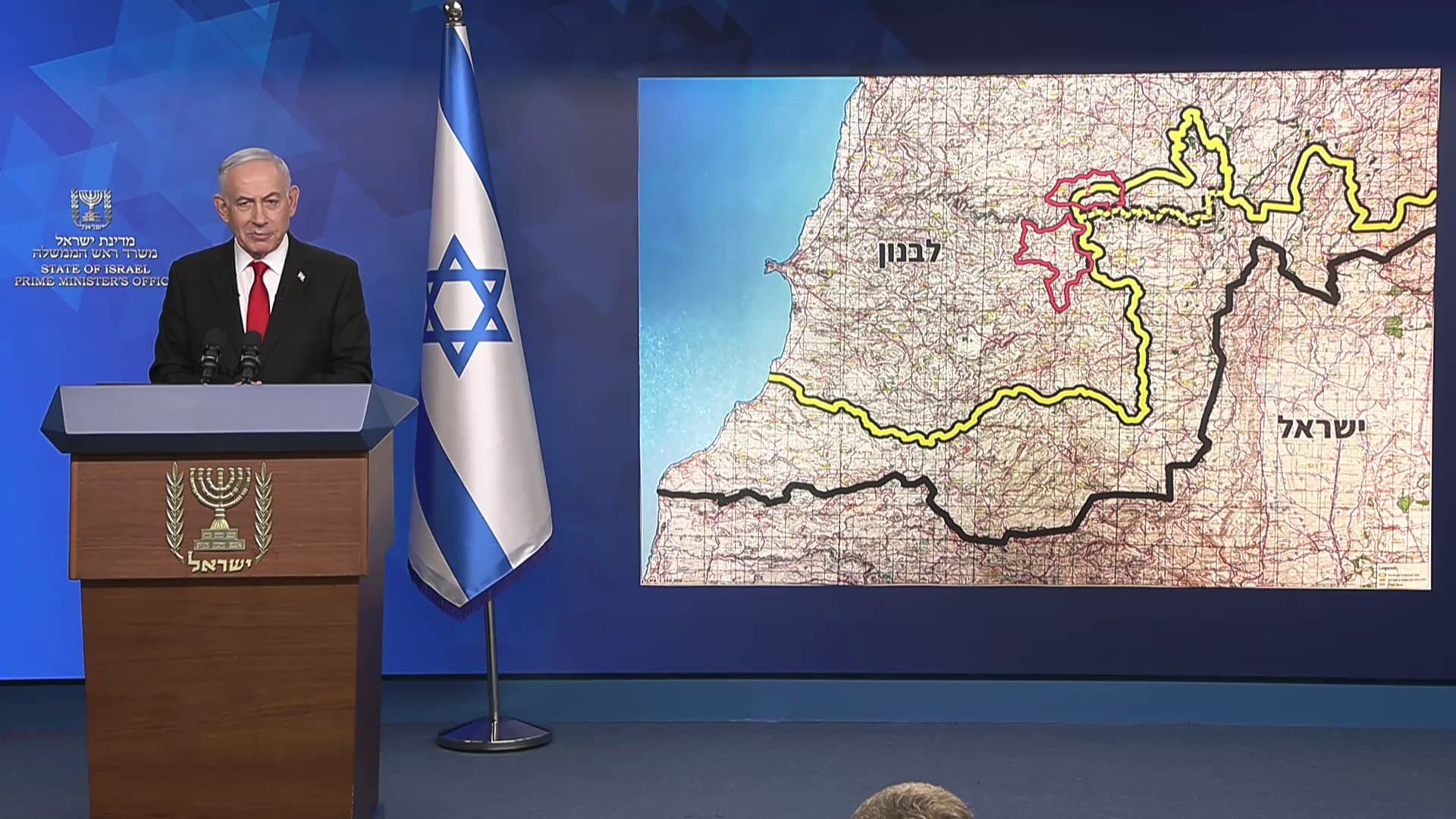
new diplomatic framework between Lebanon and Israel has ignited cautious optimism while also triggering protests across Beirut. The agreement reportedly aims to stabilize the border, reduce the risk of renewed conflict, and establish mechanisms for resolving long-standing security disputes. International mediators described the framework as a significant breakthrough after months of negotiations. Supporters argue the deal could attract investment, restore confidence in Lebanon's struggling economy, and reduce tensions that have repeatedly displaced civilians on both sides of the border. Improved security could also encourage infrastructure rebuilding and humanitarian assistance. Opposition groups, however, accuse Lebanese leaders of making unacceptable concessions and have organized demonstrations throughout Beirut. Protesters burned tires, blocked roads, and demanded greater transparency regarding the agreement's terms. Critics fear the framework could weaken national sovereignty or fail to address broader regional issues. Israeli officials welcomed the arrangement as an opportunity to improve long-term stability, while international partners urged both governments to implement the agreement carefully and prevent isolated incidents from undermining progress. Although the framework represents one of the most important diplomatic developments in years, analysts warn that implementation will determine whether it becomes a lasting peace initiative or another fragile ceasefire.
Published by Banx Network. This article is part of the Banx decentralized media programme, powered by the BXE token on the XRP Ledger.