
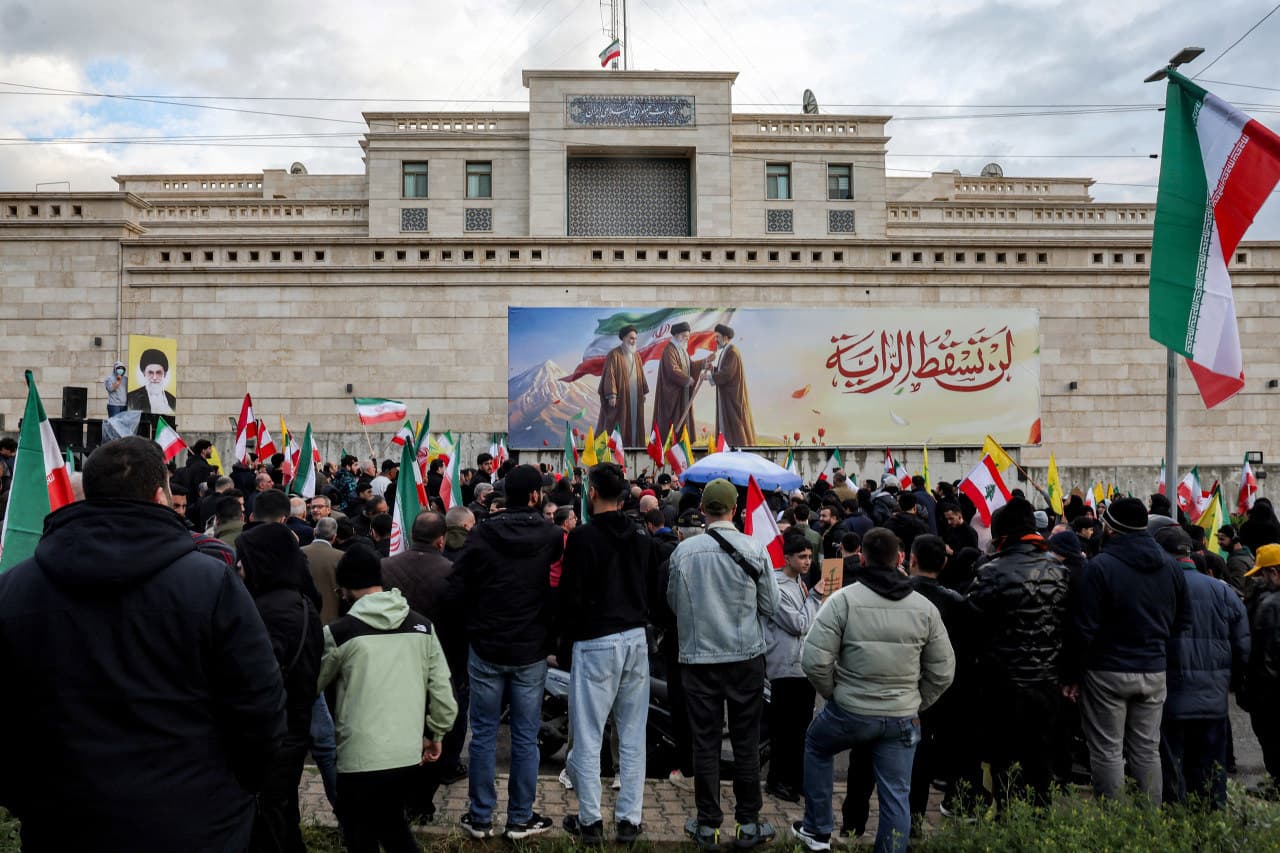
Key Highlights
- Lebanon has expelled Iran's ambassador amid rising tensions.
- The ambassador has refused to comply with the expulsion order.
- This incident reflects broader concerns about foreign influence in Lebanon.
In a surprising turn of events, Lebanon has expelled Iran’s ambassador, a move that signifies a deepening rift in diplomatic relations between the two nations. The decision to expel the ambassador comes amid rising local concerns about Iran's influence in Lebanese affairs, particularly regarding political and military support for various groups in the region. This action marks a significant shift in Lebanon's approach to foreign diplomacy, especially given the historical ties between the two countries.
Despite the order, the ambassador has reportedly resisted leaving Lebanon, prompting further tensions and complicating the situation. This defiance raises questions about the next steps Lebanon may take to enforce the expulsion and how it might affect relations with Iran. Observers note that the ambassador's refusal to leave could lead to a diplomatic standoff, further straining the already fragile relationship between the two nations.
Lebanon’s government has faced increasing domestic pressure to assert its sovereignty and reduce foreign influences, particularly in light of the ongoing economic crisis and political instability. Iran's involvement has often been perceived as exacerbating these issues, leading to calls for stronger actions against foreign diplomatic figures entrenched in Lebanese politics. The expulsion of the ambassador could be seen as a response to these internal pressures, signaling a desire for greater autonomy in foreign affairs.
The potential for reciprocal actions from Iran looms large, with analysts warning of possible ramifications for bilateral relations and regional stability. Iran may respond with its own measures against Lebanese diplomats, which could escalate tensions further. As both nations navigate their complex historical ties amid ongoing geopolitical shifts, the situation remains precarious.
International observers are closely watching this development, as it reflects broader trends in Middle Eastern politics and the delicate balance of power within the region. The outcome of this diplomatic conflict remains uncertain, and the implications could resonate beyond Lebanon's borders as tensions continue to unfold. The expulsion could also influence other nations' perceptions of Iran's role in the region, potentially altering alliances and diplomatic strategies.
As Lebanon seeks to redefine its foreign relations, the ramifications of this expulsion are likely to shape the future of Iranian influence and the country’s quest for greater independence in regional affairs. The unfolding situation will be critical to watch as Lebanon attempts to navigate its path forward amidst external pressures and internal challenges.
Published by Banx Network. This article is part of the Banx decentralized media programme, powered by the BXE token on the XRP Ledger.



