
Key Highlights
- UNMISS is enhancing justice systems in Greater Pibor, South Sudan.
- Training sessions focus on evidence gathering and legal processes.
- Local community involvement is crucial for sustainable justice.
The sun rises gently over Greater Pibor, illuminating the landscape where towns are gradually embracing the principles of peace. Amidst the everyday sounds of life—footsteps, distant conversations, and the clatter of tools—there is a subtle yet profound shift occurring. This shift is characterized by the emergence of questions being asked and answers being sought with a newfound sense of patience and hope.
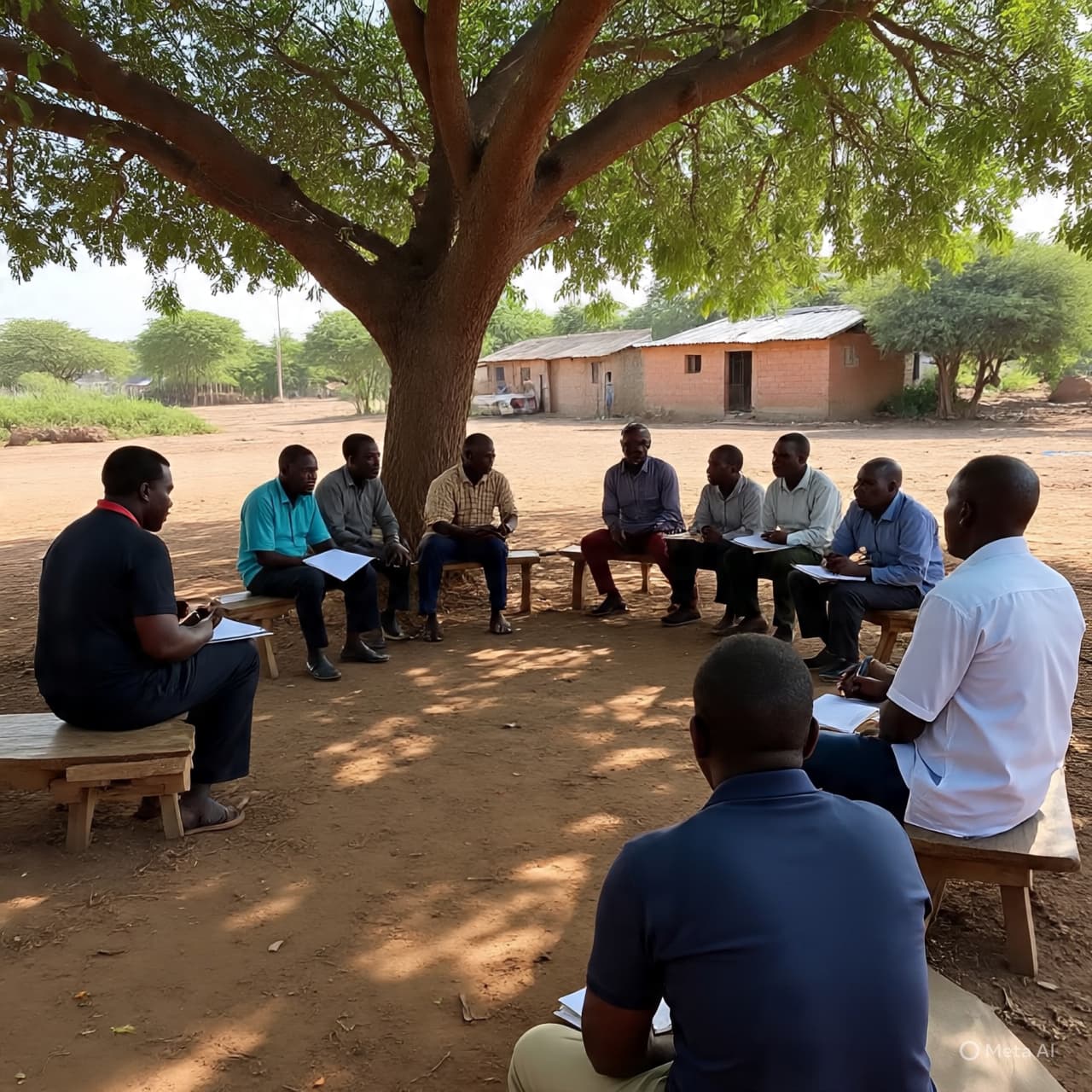
In recent months, the United Nations Mission in South Sudan (UNMISS) has collaborated with local authorities in Greater Pibor to fortify the foundations of justice. Training sessions held in modest classrooms equipped with wooden desks and notebooks have become vital spaces where police officers, prosecutors, and investigators learn essential skills. These include gathering facts, preserving evidence, and managing cases from initial reports to lawful resolutions. For communities historically shaped by cycles of conflict and informal dispute resolution, the act of investigation itself carries significant weight.
Participants in these training programs have reported a quiet yet impactful transformation. Learning to document crime scenes, interview witnesses without coercion, and compile comprehensive case files are not merely technical skills; they ripple outward, influencing the broader public life. This training fosters a culture of accountability that is practiced rather than improvised. UNMISS officials emphasize that their goal is not to impose an external legal framework but to support the growth of local institutions, ensuring they are rooted in South Sudanese law and the realities of the community.
The challenges faced by Greater Pibor are well-documented. Years of insecurity, inadequate infrastructure, and limited resources have left justice services sparse and inconsistent. Traditionally, many disputes have been resolved through customary mechanisms, which, while vital, often struggle to address serious crimes effectively. By enhancing formal investigative capacities, UNMISS aims to bridge the gap between community expectations and state responsibilities, fostering coexistence rather than competition between the two.
The initiative extends beyond the classroom. Mentorship, field support, and collaboration with local leaders are essential to ensure that the skills acquired during training do not diminish once the sessions conclude. Women and youth, who are often the most affected by violence and least represented in justice processes, are increasingly included in these discussions, allowing their experiences to shape investigative approaches. Progress is measured not in headlines but in the meticulous maintenance of case files and the reduction of abandoned investigations.
As the day draws to a close over Pibor County, the light softens, casting a gentle glow over the landscapes that have witnessed both suffering and healing. The presence of justice in this region remains fragile, easily tested by future crises. However, the simple acknowledgment from a trainee—recognizing their newfound ability to investigate—signals a durable change. This suggests that beyond peace agreements and security patrols, the slow and deliberate craft of justice is taking root, providing communities with clearer paths forward and fewer shadows to navigate.
Published by Banx Network. This article is part of the Banx decentralized media programme, powered by the BXE token on the XRP Ledger.



