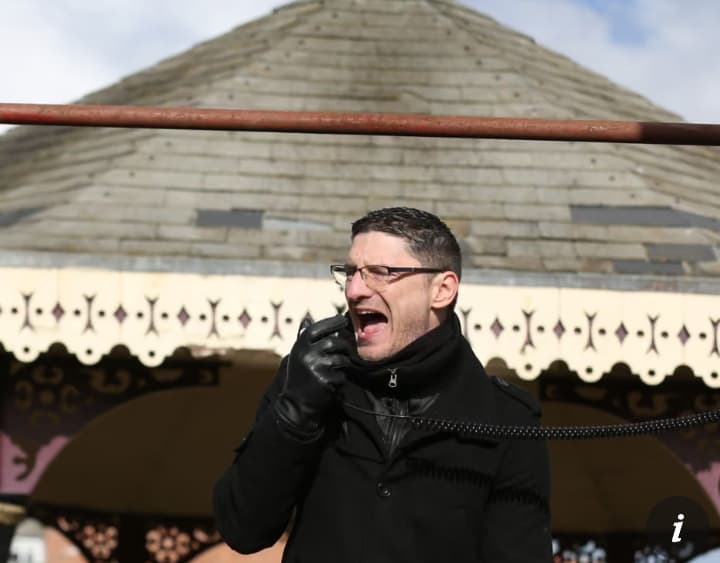
A well-known far-right activist from the United Kingdom has drawn significant attention and criticism for participating in a recent event organized by Russian extreme nationalists. The activist’s address has ignited a fierce debate on the rising connections between far-right groups in Europe and nationalist factions in Russia.
The event, which reportedly attracted a range of extremist ideologies, included speeches promoting nationalist rhetoric and anti-immigrant sentiments. The UK activist's presence there has raised concerns among political leaders and civil rights organizations about the implications for social cohesion and the normalization of extremist views.
Critics argue that such alliances threaten democratic values and could further entrench far-right ideologies in both regions. The endorsement of nationalist sentiments from figures in the UK creates a troubling narrative, especially given the ongoing tensions surrounding issues of sovereignty and identity across Europe.
In response, political figures across the spectrum have condemned the participation of the UK activist at the event, emphasizing that such ideologies do not represent the views of the broader population. Human rights organizations have called for greater vigilance against the spread of extremist ideologies and have urged governments to counteract these movements through education and policy measures.
This incident not only highlights the challenges posed by extremist groups but also underscores the complex geopolitical landscape, where nationalist movements may leverage alliances to bolster their agendas. As the situation evolves, stakeholders in both the UK and Europe will need to address the ramifications of such relationships to safeguard democratic principles and social harmony.
Published by Banx Network. This article is part of the Banx decentralized media programme, powered by the BXE token on the XRP Ledger.