Natural disasters test the resilience of nations, revealing both vulnerabilities and strengths in their response mechanisms. In Tibet, a region known for its rugged beauty and remote communities, recent mudslides have caused significant devastation. The arrival of China’s Premier to the affected area signals the gravity of the situation, marking a shift from routine governance to emergency mode as authorities mobilize resources to aid survivors and restore stability.
The mudslides, triggered by heavy rainfall and unstable geological conditions, buried homes and blocked critical transportation routes. Casualties and missing persons reports have prompted a swift national response. The Premier’s visit is not merely symbolic; it serves to coordinate relief efforts, assess damage firsthand, and reassure local populations that the central government is fully engaged in the recovery process.
Emergency teams, including military personnel and medical workers, have been deployed to the hardest-hit areas. Search and rescue operations are underway, often hindered by difficult terrain and ongoing weather risks. The priority is to locate survivors, provide medical care, and ensure access to food, water, and shelter for those displaced by the disaster.
The incident highlights the challenges of infrastructure development in high-altitude regions. While roads and bridges connect remote villages, they remain vulnerable to natural hazards. The disaster has prompted a review of safety standards and early warning systems, with experts calling for more robust measures to protect communities in geologically sensitive zones.
Local residents have expressed gratitude for the rapid response but also voiced concerns about long-term reconstruction. Many have lost their livelihoods and homes, facing an uncertain future. The government has promised financial support and rebuilding initiatives, but the emotional and economic scars will take time to heal.
The Premier’s presence also underscores the political importance of Tibet. Stability in the region is a key priority for Beijing, and effective disaster management is crucial for maintaining social harmony. The response is being closely watched by both domestic and international observers, who evaluate the efficiency and transparency of the relief efforts.
As the immediate crisis subsides, attention will turn to prevention. Climate change is increasing the frequency of extreme weather events, making adaptation essential. Investments in ecological restoration and disaster-resistant infrastructure will be vital to safeguarding Tibet’s communities against future threats.
Rescue operations continue, with officials reporting progress in clearing debris and restoring connectivity. The government has pledged comprehensive support for reconstruction, emphasizing the need for resilience in the face of natural challenges.
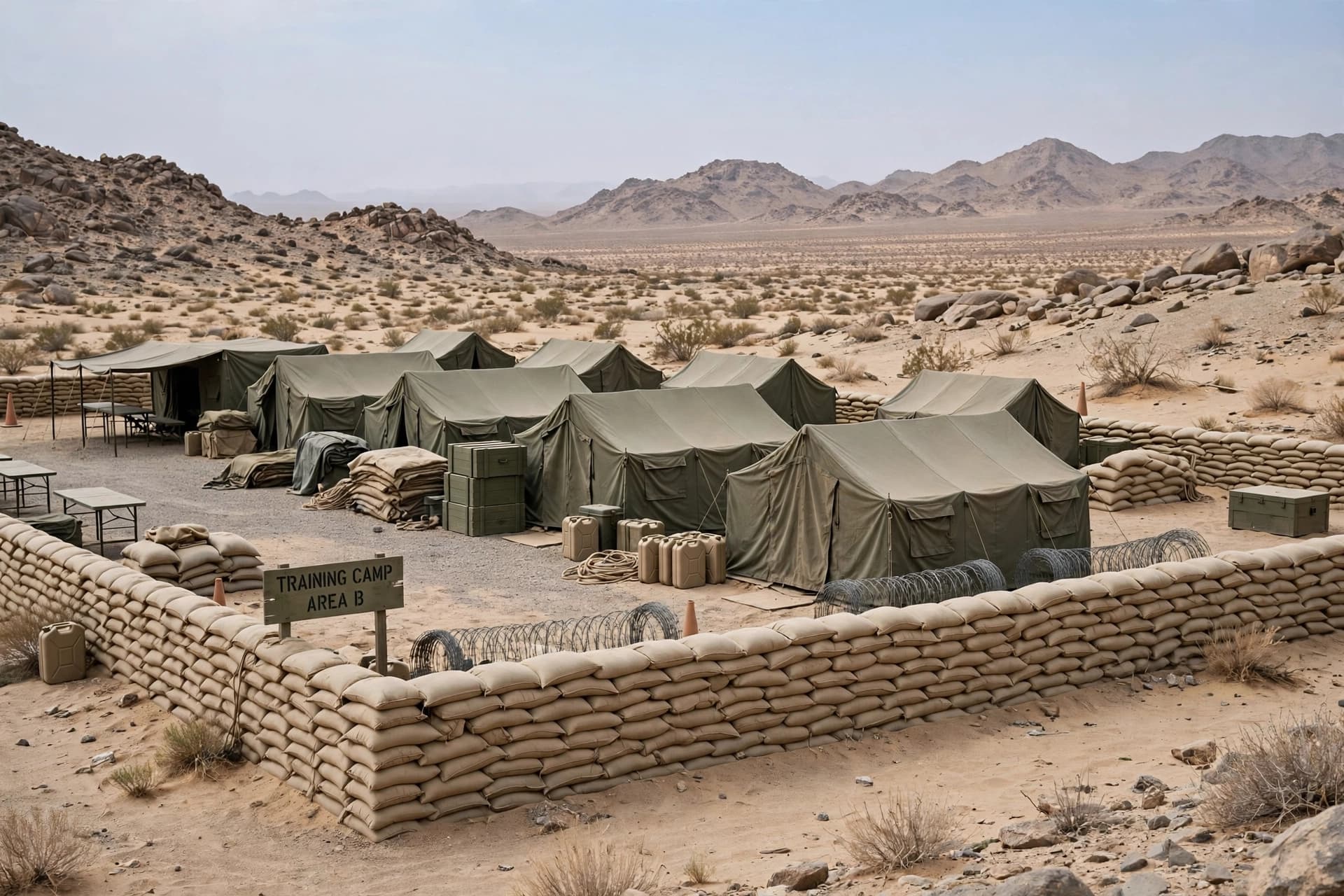
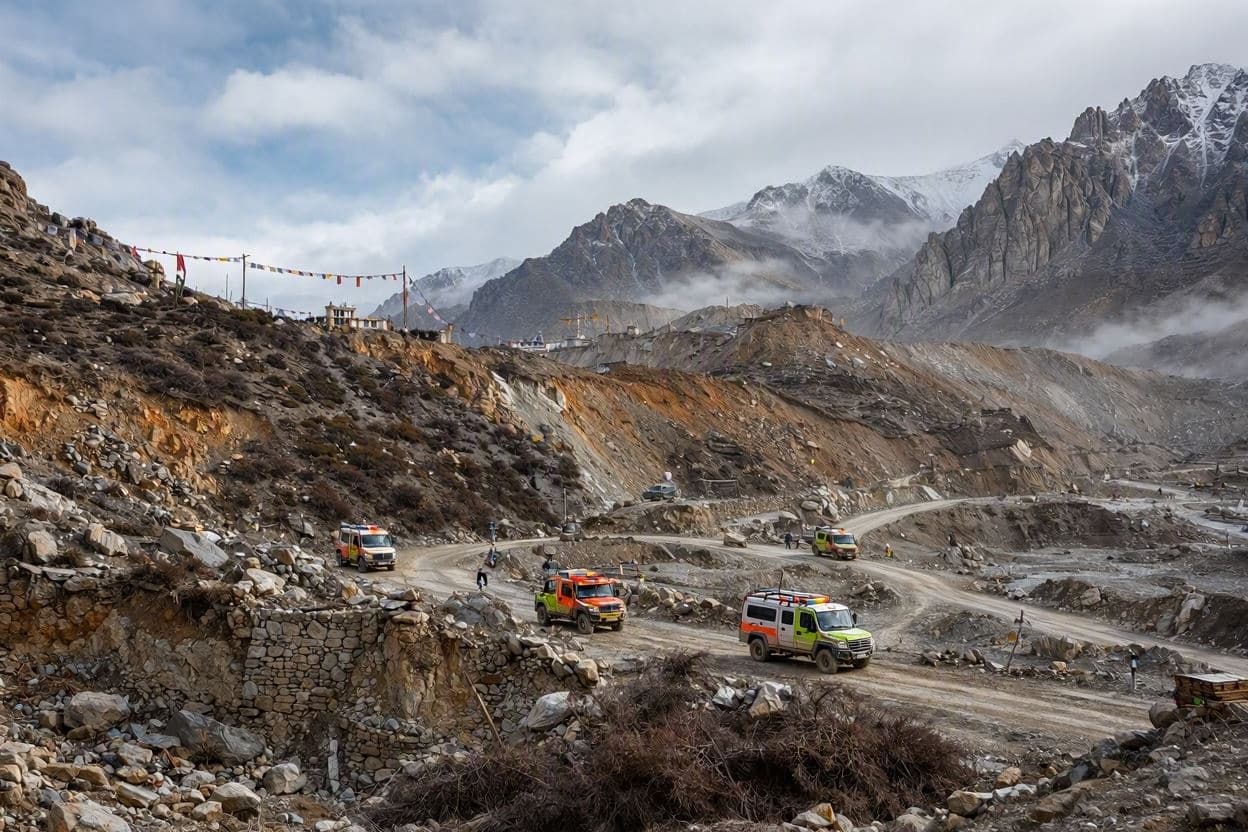
AI Image Disclaimer: The images associated with this piece are AI-generated visualizations intended to represent the themes of disaster relief, government response, and regional resilience.
Sources: Xinhua News Agency Reuters BBC News South China Morning Post Associated Press
Published by Banx Network. This article is part of the Banx decentralized media programme, powered by the BXE token on the XRP Ledger.