
Key Highlights
- Discovery:Renovation workers found a hidden terrace in the Flatiron Building.
- Historical Significance:The building has stood since 1902, evolving over time.
- Architectural Insights:The find reveals layers of design and history within the iconic structure.
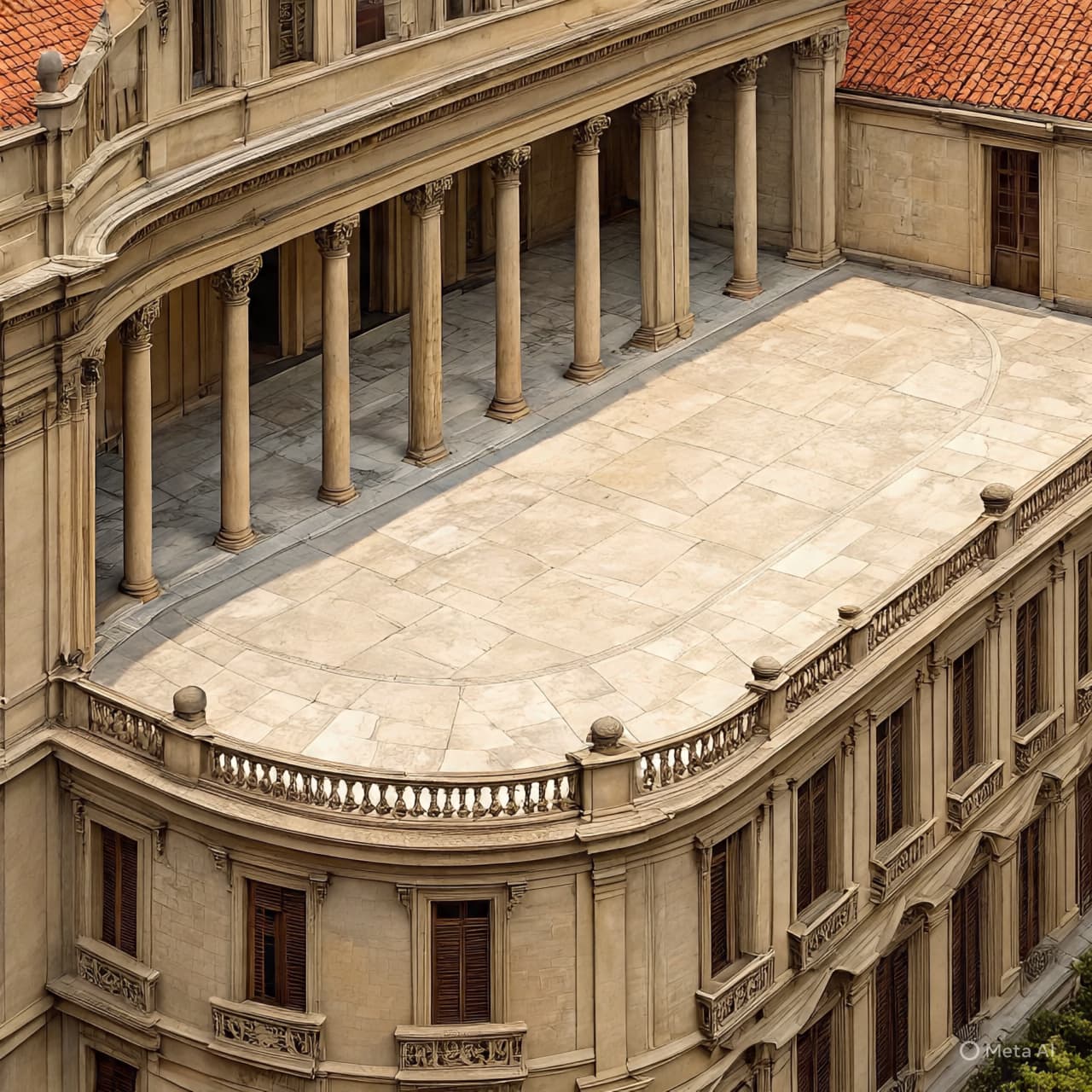
The Flatiron Building, a quintessential symbol of New York City, has long captivated both locals and tourists with its unique triangular shape and historical significance. Recently, during a major renovation led by the Brodsky Organization, workers made an unexpected discovery that adds a new chapter to the building's storied past. As they began gutting the interior for a modern conversion, they uncovered a hidden architectural gem: a half-moon-shaped terrace that had been concealed for decades.
This revelation came to light on the 18th floor, where demolition crews exposed a parapet wall that had previously been part of a bay window. Architects from Beyer Blinder Belle, the firm overseeing the restoration, quickly recognized that the parapet matched one on the floor above, which encircled a known terrace. Further investigation revealed a drain line in the floor and ceiling, indicating that this outdoor space had once been open to the elements, only to be lost behind layers of remodeling and partitioning over the years.
The Flatiron Building, completed in 1902, has undergone numerous changes throughout its history, including ownership transitions and interior renovations. Each alteration has contributed to the building's character, yet the discovery of this hidden terrace serves as a poignant reminder of how architectural spaces can be forgotten over time. Just as people accumulate experiences and memories, buildings too gather layers of design and history, some of which may remain obscured until revealed by renovation efforts.
As the renovation progresses, the team is hopeful that more remnants of the building's early designs may surface, offering further insights into the evolution of one of Manhattan's most beloved skyscrapers. The Flatiron Building's façade has been a familiar sight for generations, yet the potential for uncovering additional architectural surprises within its walls adds an exciting dimension to its legacy.
The discovery of the terrace not only enhances the historical narrative of the Flatiron Building but also underscores the importance of preserving and understanding the architectural heritage of New York City. As cities evolve, the stories embedded within their structures remind us of the past and the layers of history that shape our urban landscapes.
As the renovation continues, both workers and architects remain vigilant, sifting through the remnants of the past in hopes of uncovering more secrets that lie within the iconic Flatiron Building. This ongoing journey of discovery highlights the dynamic relationship between architecture and history, revealing that even the most familiar landmarks can still hold surprises waiting to be uncovered.
Published by Banx Network. This article is part of the Banx decentralized media programme, powered by the BXE token on the XRP Ledger.



