In the slow heat of an African afternoon, where the sun drapes its warmth over campuses and courtyards alike, there is a sense of promise in the air — a quiet stir of young minds moving between classrooms, books under arms, and laughter echoing beyond lecture halls. Yet, beneath these rhythms of student life there lies a broader tapestry of challenge and aspiration, one woven with threads of population growth, economic transition, and the quiet ambition to lift continents through knowledge.
This season, Sub‑Saharan Africa saw its universities reflected in a new mirror: the first‑ever QS World University Rankings: Sub‑Saharan Africa 2026. This regional ranking, crafted by Quacquarelli Synds, casts a spotlight on 69 institutions across 21 countries, offering a first panoramic view of higher education excellence within this vast and diverse region. From Cape Town to Accra, from Nairobi to Ibadan, Africa’s thinkers, teachers, and researchers are charting a presence that resonates beyond borders, even as broader measures of access and participation tell a story of contrasts.
At the summit of this inaugural list stands the University of Cape Town, its score a testament to decades of scholarly pursuit and global engagement. Behind it, a constellation of leading institutions from South Africa — Johannesburg, the Witwatersrand, Stellenbosch — fill the upper ranks, reflecting sustained investment in research, reputation, and international networks. Among them, universities from Ghana, Nigeria and Ethiopia slip into the top twenty, signaling a widening horizon of academic promise that is informed by local histories and global ambition alike.
But in the whisper of academic achievements lie larger demographic currents. Africa is home to the world’s youngest population, with roughly seventy percent under the age of thirty. And yet, the gross enrollment rate in tertiary education — a measure of those who make their way from secondary schools into universities — lingers around 9 percent in Sub‑Saharan Africa, in stark contrast with a global average near 43 percent. This gap underscores a persistent tension between youthful aspiration and the practical limits of educational access, funding and infrastructure that many nations still confront.
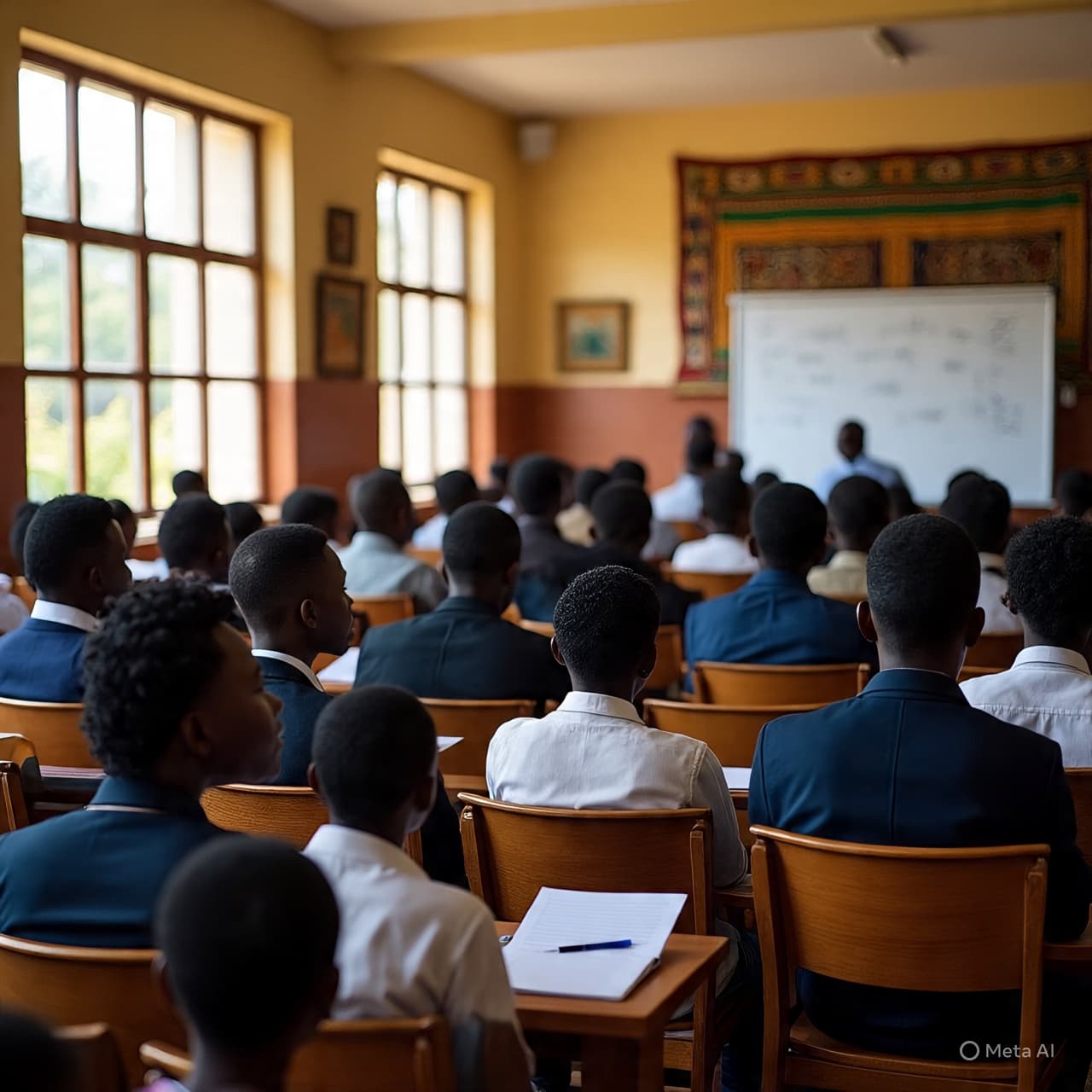
In lecture theatres and quiet study corners, students and faculty talk about these realities with a fluid mix of hope and pragmatism. They speak of the exhilaration of research collaboration that spans oceans, the thrill of published work cited by peers, and the challenge of classrooms filled beyond capacity. They also speak of systemic hurdles — under‑resourced labs, the scarcity of full‑time faculty, and the ebb and flow of government and private support for higher education. In many ways, these conversations mirror the scholastic landscape itself: rich with potential, yet shaped by the contours of investment and policy.
None of this diminishes the significance of the QS regional ranking; rather, it situates it within a broader tableau. The list reflects both what has been achieved and what remains to be steered forward through sustained commitment to equity, opportunity and quality. In a region where millions of young Africans enter the workforce each year, where economies seek skills and innovation to fuel transformation, the role of universities reaches far beyond campus gates.
And so, as the sun sets over lecture halls and libraries, a new cadence builds — one marked by both measurement and momentum. The QS ranking provides a compass of sorts, a way to track progress and foster dialogue among peers. Yet it is the everyday footsteps of students and teachers, the shared pursuit of knowledge under the warm African sky, that ultimately chart the continent’s long journey toward inclusion, excellence and opportunity.
AI Image Disclaimer Visuals are AI‑generated and serve as conceptual representations.
Sources QS World University Rankings: Sub‑Saharan Africa, Ecofin Agency, QS Insights Magazine, BusinessGhana.
Published by Banx Network. This article is part of the Banx decentralized media programme, powered by the BXE token on the XRP Ledger.