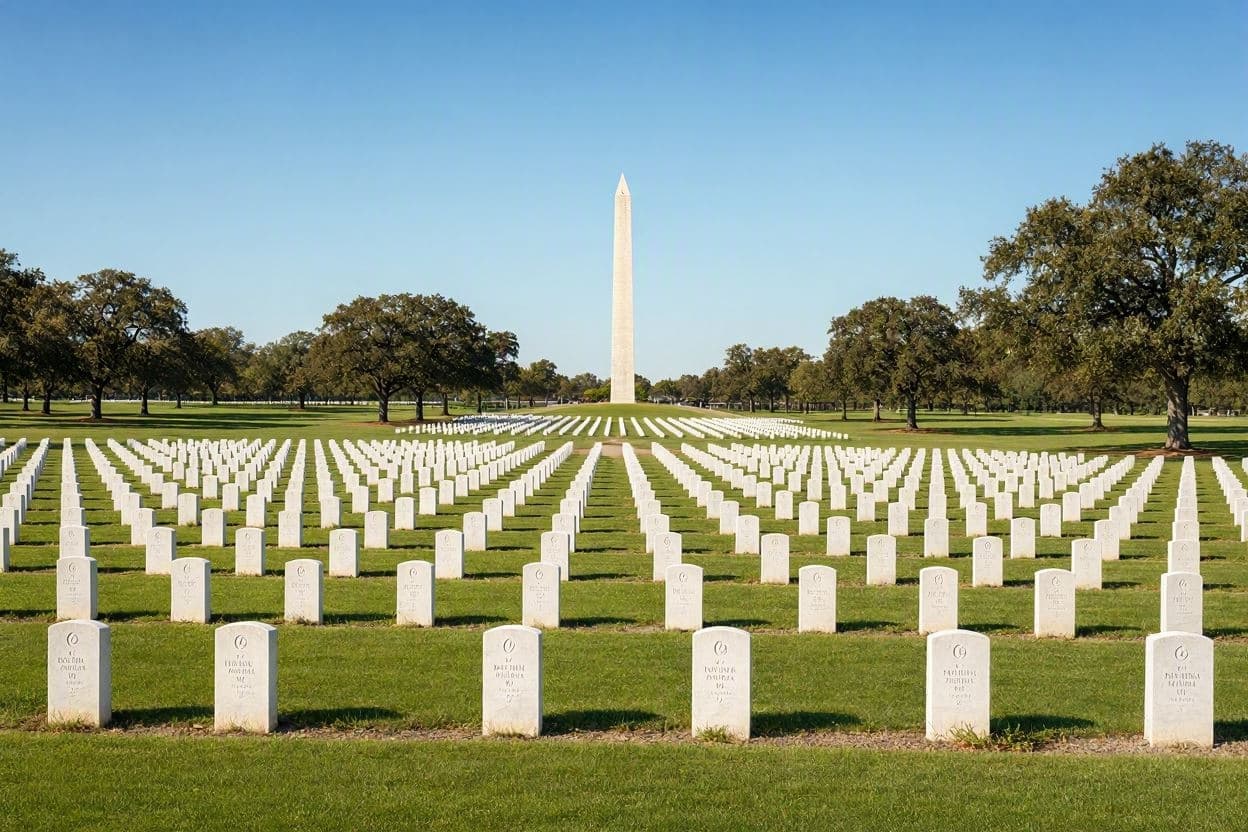
Arlington National Cemetery is a place of profound silence and reverence, where rows of white headstones stretch across rolling hills in a testament to sacrifice. The view from these hallowed grounds is carefully preserved, offering visitors a visual connection to the nation’s history and its capital. Now, this serene landscape faces a potential transformation with the proposal of a 250-foot memorial arch honoring former President Donald Trump. Critics, including veterans and legal representatives, argue that the massive structure would disrupt historic sightlines and diminish the solemnity of the cemetery, sparking a debate over memory, respect, and urban planning.
The proposed arch, intended to be located near the cemetery’s boundary, would tower over the surrounding area, visible from many points within the grounds. Lawyers representing veterans and preservation groups contend that this intrusion violates the McMillan Plan, a foundational design principle for Washington, D.C., that emphasizes open vistas and harmonious architectural scales. They argue that the arch’s height and proximity would overshadow the Tomb of the Unknown Soldier and other significant monuments, altering the emotional experience of those visiting loved ones’ graves.
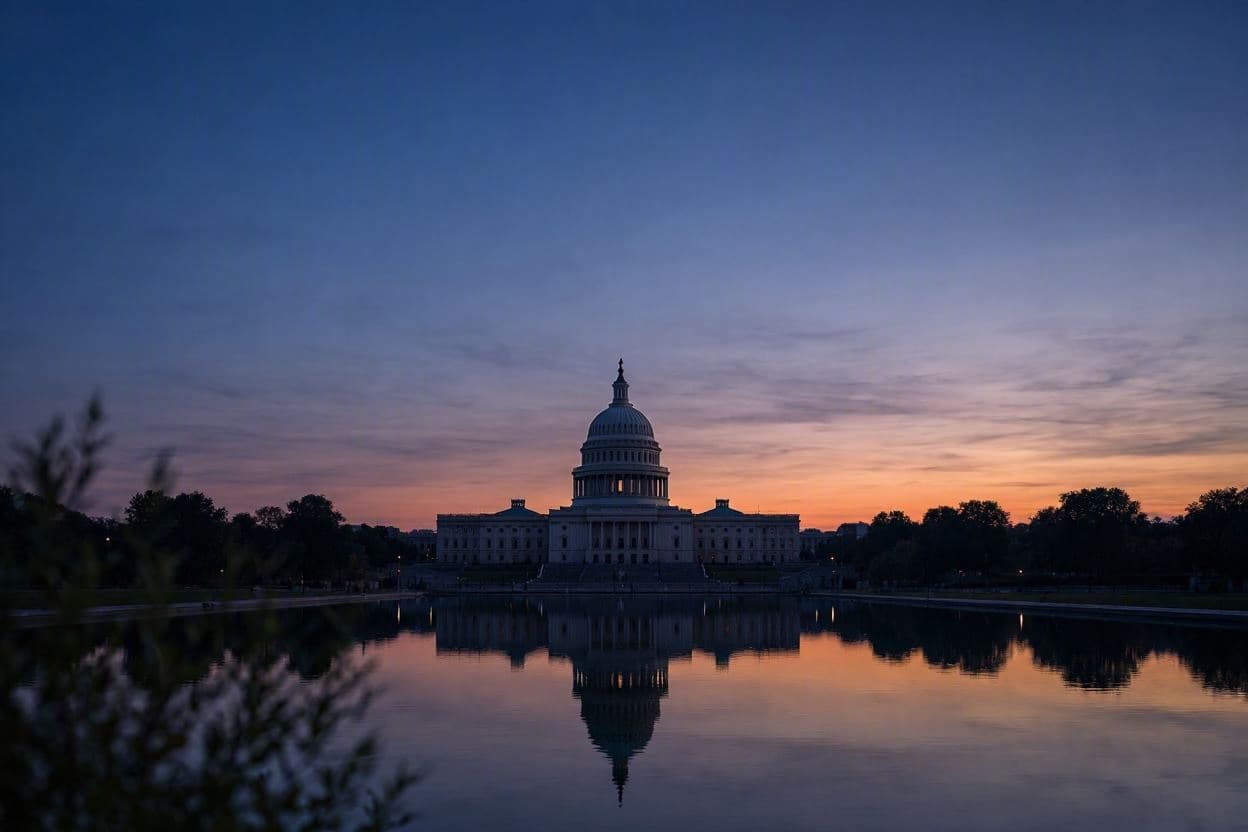
For veterans, the cemetery is not just a burial site but a sacred space of reflection. The unobstructed views of the Capitol and the Lincoln Memorial are integral to this experience, symbolizing the connection between military service and democratic ideals. The introduction of a large, modern structure dedicated to a single political figure is seen by many as a disruption of this neutrality. It raises questions about the appropriate use of public land and the criteria for commemorating historical figures in such sensitive locations.
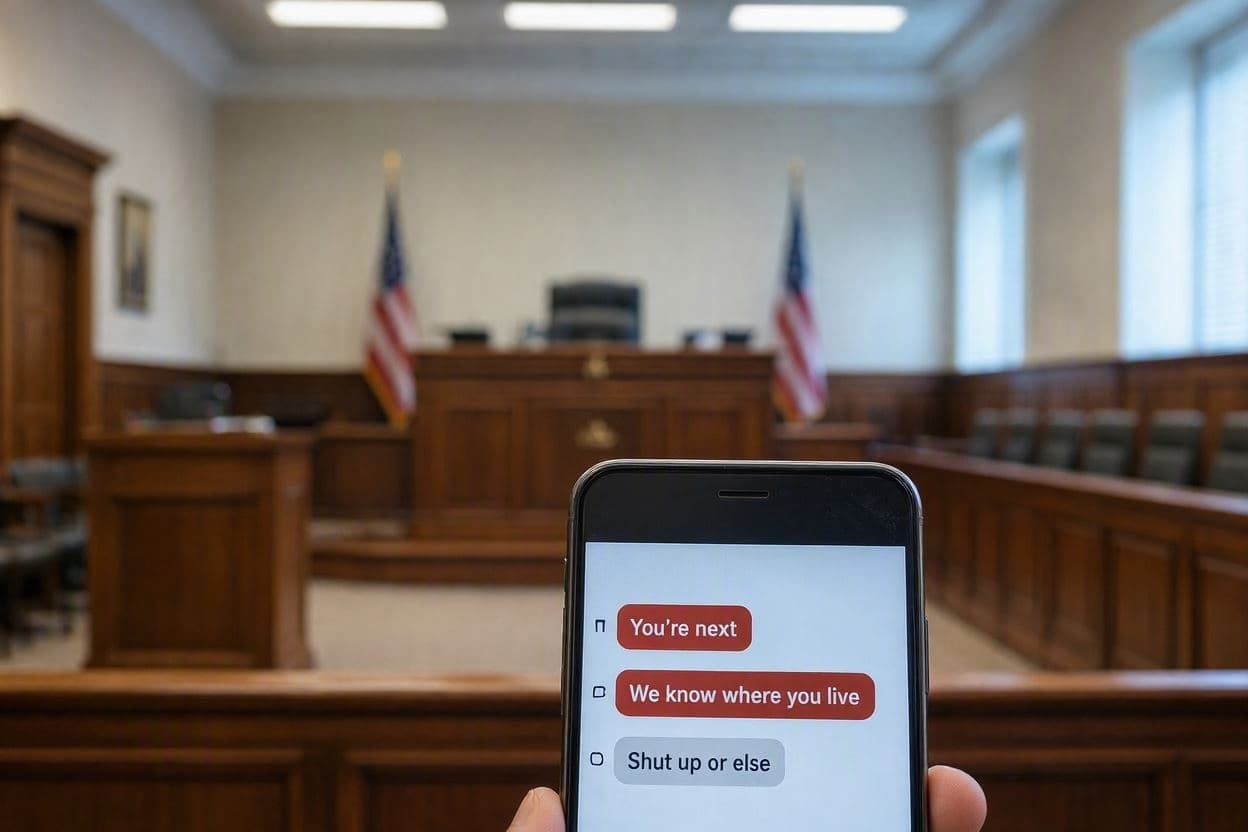
The National Park Service and other federal agencies have conducted reviews of the project, noting potential adverse effects on historic properties. These findings have bolstered the legal challenge, providing technical evidence to support claims of visual intrusion. The lawsuit argues that the approval process failed to adequately consider these impacts, violating federal preservation laws. The outcome of this legal battle could set a precedent for future monument proposals in the nation’s capital.
Supporters of the arch argue that it serves as a fitting tribute to a president who championed military strength and national pride. They contend that the structure would add a new layer to the city’s architectural diversity and provide a landmark for future generations. However, critics counter that memorials at Arlington should honor collective service rather than individual political legacies. The debate highlights the tension between personal commemoration and national unity.
Public opinion remains divided, with polls showing mixed reactions to the proposal. Some citizens appreciate the boldness of the design, while others find it ostentatious and out of place. The controversy has drawn attention from historians, architects, and veterans’ organizations, all of whom have voiced strong opinions. This broad engagement underscores the significance of the issue and the deep emotional connections people have to the nation’s memorial landscape.
As the legal proceedings continue, construction plans have been paused pending judicial review. The court’s decision will hinge on balancing aesthetic concerns with legal requirements and executive authority. Regardless of the outcome, the debate has sparked a broader conversation about how we choose to remember our leaders and protect the sanctity of our most revered spaces.
The controversy over the proposed 250-foot Trump arch near Arlington National Cemetery highlights the delicate balance between commemoration and preservation. As veterans and lawyers fight to protect historic sightlines, the case underscores the importance of respecting the solemnity of sacred spaces. The final decision will shape not only the skyline of Washington but also the legacy of how we honor our past.
AI Image Disclaimer: Please be aware that images included in this article are AI-generated visualizations created for illustrative purposes and do not depict actual events.
Sources: The Washington Post PBS NewsHour The Independent National Capital Planning Commission
Published by Banx Network. This article is part of the Banx decentralized media programme, powered by the BXE token on the XRP Ledger.