
Key Highlights
- Fuel prices in Latvia increased by 8.7% in April 2026.
- Diesel prices surged by 34.9% compared to April 2025.
- The rise in fuel prices is attributed to global supply chain disruptions.
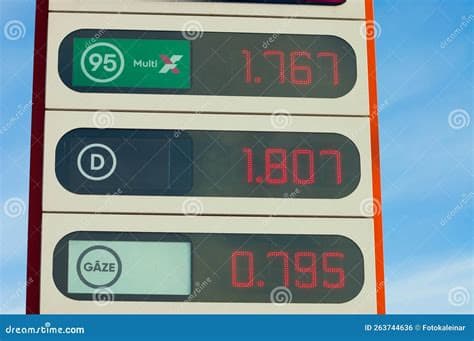
In April 2026, Latvia experienced a notable increase in fuel prices, with the average level rising by 8.7%. This surge is primarily driven by a significant hike in diesel prices, which have seen an alarming increase of 34.9% compared to the same month last year. The rise in fuel costs reflects both local market pressures and broader international influences, particularly disruptions in fuel supply chains linked to ongoing geopolitical tensions.
According to the Central Statistical Bureau (CSB) of Latvia, the overall average fuel prices have surged by 28.1% when compared to April 2025. Alongside diesel, petrol and auto gas prices have also risen, with increases of 14.8% and 16.2%, respectively. These figures highlight a concerning trend for consumers and businesses alike, as the cost of fuel continues to climb.
The increase in fuel prices is part of a larger global trend, where escalating geopolitical tensions, particularly the recent conflict involving Iran, have led to substantial disruptions in fuel supply chains. Analysts are expressing concerns about the potential for continued price increases, which could have significant implications for consumers and various sectors of the economy.
Transport operators and industries reliant on fuel are particularly affected by these fluctuations. The rising costs are likely to impact operational expenses, leading to increased prices for goods and services. As a result, there is growing pressure on the Latvian government to consider measures that could mitigate the economic impact of these rising fuel prices. Discussions may include potential adjustments to excise duties on fuel to alleviate some of the financial burdens on consumers and businesses.
In summary, the sharp rise in fuel prices in Latvia during April 2026 underscores the complex interplay between local market dynamics and global geopolitical factors. As the situation evolves, stakeholders across various sectors will need to navigate the challenges posed by these price increases, while the government may need to explore policy options to support the economy during this turbulent period.
Published by Banx Network. This article is part of the Banx decentralized media programme, powered by the BXE token on the XRP Ledger.



