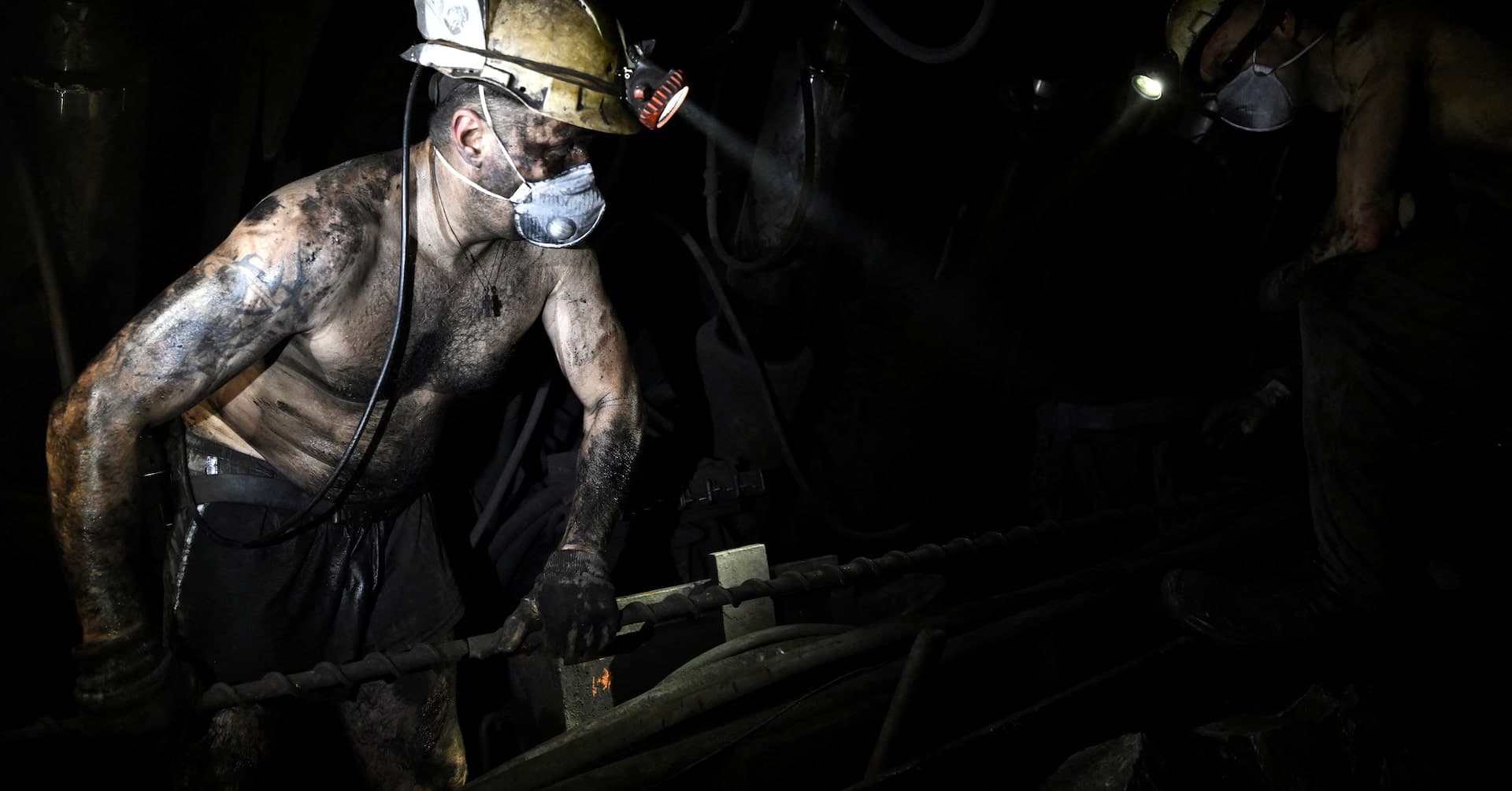
On January 18, 2026, the Czech Republic witnessed the closure of its final deep coal mine, marking a historic transition for an industry that has been pivotal to the nation's economy for generations. This closure not only symbolizes the end of an era but also reflects the growing commitment to reducing carbon emissions and shifting towards renewable energy sources.
The mine, located in the northwestern region of the country, had been in operation for more than a century, providing thousands of jobs and contributing significantly to local economies. However, with severe environmental concerns and the global push for cleaner energy, the decision to cease operations was seen as inevitable.
Coal mining has faced increasing scrutiny over the past few decades due to its detrimental effects on the environment and public health. The Czech government has initiated programs aimed at supporting miners and local communities impacted by the closure, focusing on retraining programs and economic diversification strategies.
Community leaders and former miners have shared mixed feelings about the mine’s closure. While many recognize the necessity of transitioning to cleaner energy, others express sadness and concern for their livelihoods and the cultural heritage tied to coal mining.
As the Czech Republic looks toward a sustainable future, the government is working to invest in renewable energy sectors, aiming to create new jobs and ensure economic stability in the wake of the deep coal mine's closure. This significant turning point highlights a broader global trend as countries grapple with climate change and the transition from fossil fuels to sustainable energy alternatives.
Published by Banx Network. This article is part of the Banx decentralized media programme, powered by the BXE token on the XRP Ledger.