
Key Highlights
- Closure Date:The last deep coal mine in the Czech Republic closed on January 18, 2026.
- Economic Impact:The mine had been operational for over a century, significantly contributing to local economies.
- Transition to Renewables:The closure reflects a broader commitment to reducing carbon emissions and investing in renewable energy.
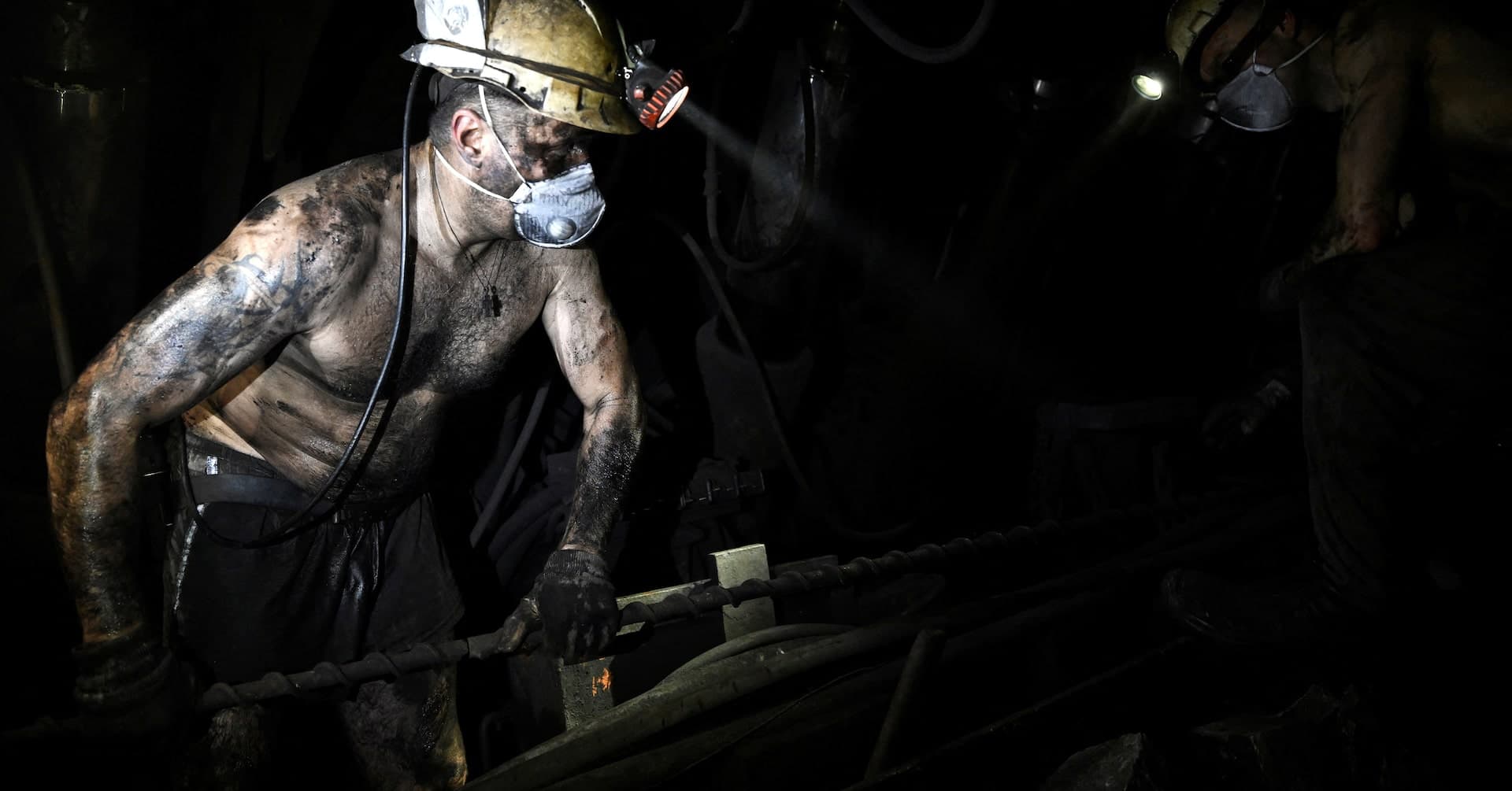
On January 18, 2026, the Czech Republic marked a historic milestone with the closure of its final deep coal mine, a significant event that underscores the country's transition from traditional fossil fuels to renewable energy sources. This closure not only signifies the end of a centuries-old industry but also highlights the growing commitment to environmental sustainability and the reduction of carbon emissions.
Located in the northwestern part of the country, the mine had been a cornerstone of the local economy for generations, providing thousands of jobs and supporting numerous families. However, as environmental concerns intensified and the global community increasingly prioritized cleaner energy solutions, the decision to cease operations became unavoidable. The mine's closure is emblematic of a larger trend seen across Europe, where countries are grappling with the need to balance economic stability with environmental responsibility.
The Czech government has recognized the challenges posed by this transition and has initiated various programs aimed at supporting miners and the communities affected by the mine's closure. These initiatives include retraining programs designed to equip former miners with new skills relevant to emerging industries, as well as economic diversification strategies to foster job creation in renewable energy sectors. The government’s proactive approach aims to mitigate the economic impact of the closure and ensure a smoother transition for those affected.
Community reactions to the mine's closure have been mixed. Many local leaders and former miners acknowledge the necessity of moving towards cleaner energy sources, understanding the long-term benefits for public health and the environment. However, there is also a palpable sense of loss among those who have dedicated their lives to coal mining, as it represents not just a job but a significant part of their cultural heritage. The emotional weight of this transition is felt deeply in communities that have relied on coal mining for generations.
As the Czech Republic embarks on this new chapter, the government is committed to investing in renewable energy sectors, which are expected to create new job opportunities and foster economic stability. This shift is not only crucial for the country's energy future but also aligns with global efforts to combat climate change and reduce reliance on fossil fuels. The closure of the last deep coal mine serves as a poignant reminder of the challenges and opportunities that lie ahead in the pursuit of a sustainable energy future.
This significant turning point in the Czech Republic's energy landscape reflects a broader global trend as nations confront the realities of climate change and the urgent need to transition from fossil fuels to sustainable energy alternatives. The journey towards a greener future is fraught with challenges, but it also holds the promise of innovation and resilience in the face of change.
Published by Banx Network. This article is part of the Banx decentralized media programme, powered by the BXE token on the XRP Ledger.



