
Key Highlights
- Sanctioned tankers are preparing for a convoy along the Northern Sea Route.
- Harsh Arctic conditions pose significant navigation challenges.
- Vessel tracking data indicates multiple ships are assembling for safer travel.
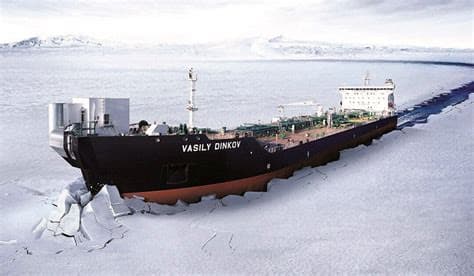
A large group of sanctioned oil tankers is reportedly preparing to travel together along the Northern Sea Route, as Arctic conditions remain harsh and ice presents navigation challenges. Vessel tracking data suggests multiple ships are assembling to move in convoy, a strategy that can reduce risk and improve efficiency in difficult weather. This development underscores the complexities of sanctions enforcement, particularly in the context of changing ship routes and reliance on fleets that have been flagged by regulators.
The Northern Sea Route, which runs along the Russian Arctic coast, has become increasingly significant for global shipping, especially as climate change continues to alter ice patterns. The route offers a shorter passage between Europe and Asia, but navigating it requires careful planning and coordination, particularly for vessels under sanctions. The current convoy preparation indicates that these tankers are attempting to optimize their journey despite the logistical hurdles posed by ice and weather conditions.
Reports indicate that the sanctioned tankers are primarily Russian vessels, which have faced increasing scrutiny and restrictions from Western nations due to geopolitical tensions. The convoy strategy not only enhances safety but also allows these vessels to share resources and information, potentially mitigating the risks associated with navigating through icy waters. This collaborative approach is particularly crucial as the Arctic region experiences unpredictable weather patterns and shifting ice formations.
In recent years, the use of the Northern Sea Route has surged, with more vessels attempting to traverse it during the summer months when ice is less prevalent. However, as winter approaches, the risks associated with ice navigation increase significantly. The current group of sanctioned tankers is expected to face these challenges head-on, relying on their collective experience and resources to ensure a successful journey.
As the situation develops, it will be essential to monitor how these tankers manage the complexities of their routes and the implications for international shipping regulations. The ongoing geopolitical landscape will likely influence future operations along this critical maritime corridor, making it a focal point for shipping analysts and policymakers alike.
Published by Banx Network. This article is part of the Banx decentralized media programme, powered by the BXE token on the XRP Ledger.



