
Key Highlights
- Multiple casualties reported as severe flash floods hit Lagos.
- Record rainfall overwhelms the city's drainage system, causing major disruptions.
- Emergency services struggle to reach affected neighborhoods amid rising waters.
Lagos, Nigeria—Multiple casualties were reported on Sunday as severe flash floods paralyzed parts of Lagos. Record-breaking rainfall began during the early morning, quickly overwhelming the city's drainage network. Streets that usually function as major transport arteries were turned into fast-moving water channels, trapping commuters in their vehicles for hours as the water level rose.
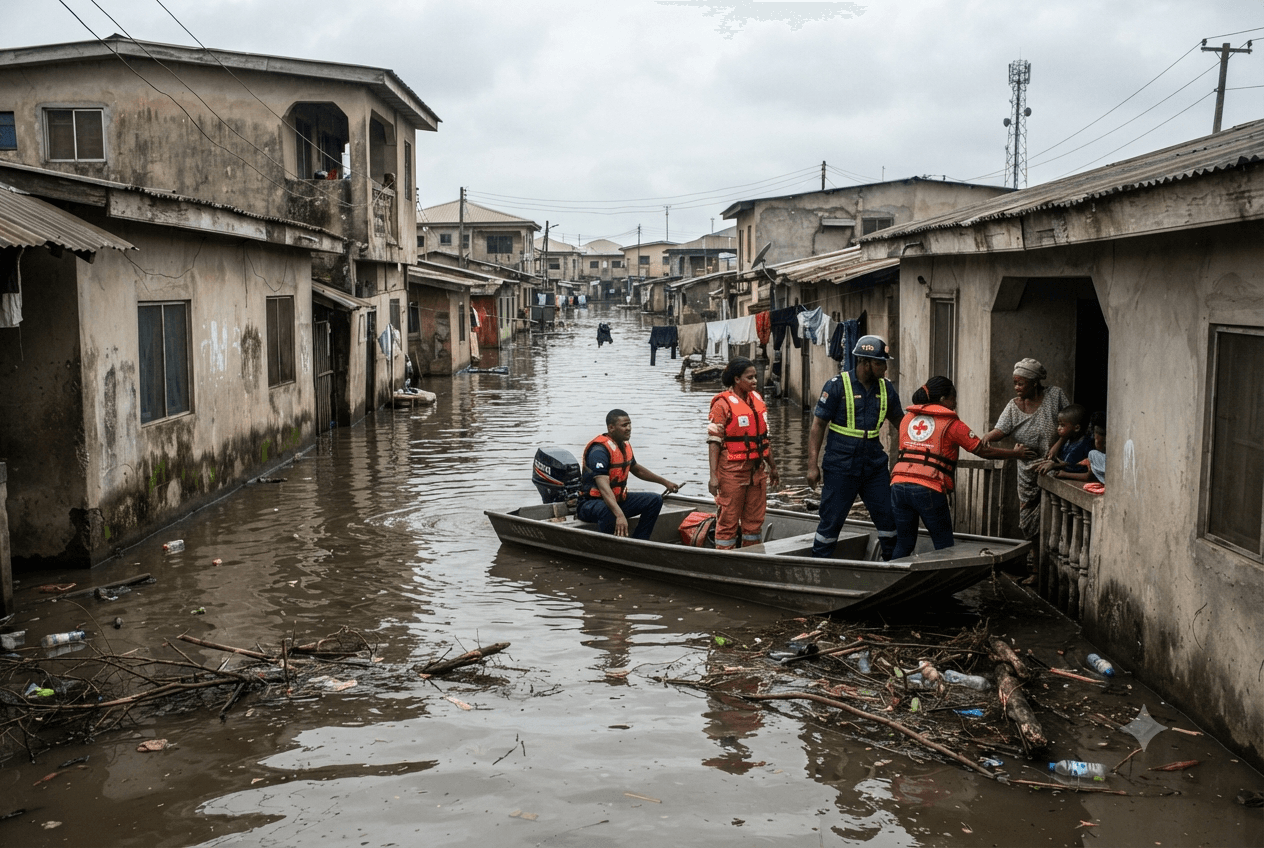
Emergency services have been struggling to reach the worst-affected neighborhoods. Large sections of the mainland remain underwater, and access has been restricted by debris and abandoned vehicles. Teams are using inflatable boats to check homes where residents may be trapped. The full number of casualties is not yet known, as reports are still arriving from decentralized districts.
City authorities issued an urgent warning for residents to stay indoors. The storm’s intensity was unprecedented for this time of year, according to the local weather bureau. Many buildings in informal settlements have faced structural failure due to the sustained pressure of the floodwaters. Power lines have been downed, leading to widespread outages across the metropolitan area.
The economic impact on the city is expected to be significant. Small businesses operating along the flood-prone corridors have lost their inventory entirely. Traffic flow throughout the city remains severely disrupted, with many bridges and underpasses deemed impassable. City engineers are currently prioritizing the clearing of primary drainage canals to restore some level of normalcy.
Recovery efforts will likely stretch into the coming week. The focus remains on search and rescue, but officials are also beginning to prepare for the inevitable sanitation issues that follow such floods. Residents are looking for answers regarding the city’s long-term infrastructure planning, as many are questioning the adequacy of the current systems in place to handle such extreme weather events. For now, the city remains focused on the immediate crisis, with emergency services working tirelessly to assist those affected.
Published by Banx Network. This article is part of the Banx decentralized media programme, powered by the BXE token on the XRP Ledger.



