
Key Highlights
- Event:Christine Lagarde walked out of Howard Lutnick's speech at the World Economic Forum in Davos.
- Critique:Lutnick criticized Europe's economic recovery and regulatory challenges.
- Reaction:Lagarde's departure signals disapproval and highlights tensions in European economic policy.
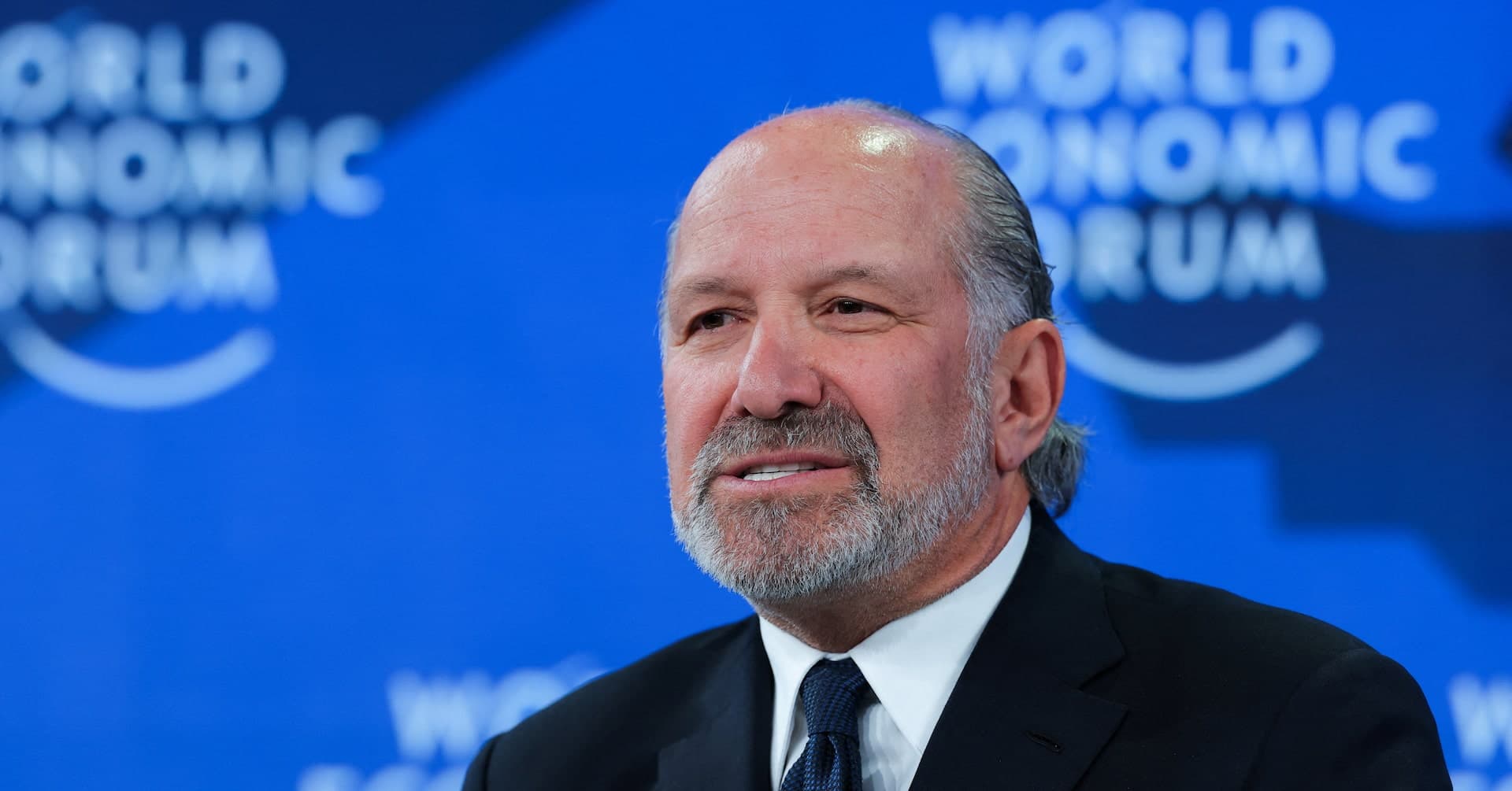
In a surprising turn of events at the World Economic Forum in Davos, Christine Lagarde, President of the European Central Bank, exited a speech delivered by Howard Lutnick, CEO of Cantor Fitzgerald. Sources close to the situation have revealed that Lutnick's candid critique of Europe’s economic landscape, particularly its sluggish recovery and regulatory challenges, did not sit well with Lagarde.
Lutnick, known for his outspoken views on global finance, highlighted the need for European nations to adopt more aggressive policies to spur growth and competitiveness. His statements included sharp criticisms of the European banking sector's inefficiencies and the need for reforms to attract investment. These comments reportedly resonated with many attendees but were viewed as an affront by some European officials, including Lagarde.
Eyewitnesses noted that Lagarde's departure was abrupt and demonstrated her clear disapproval of Lutnick's perspective. As a pivotal figure in European financial policy, Lagarde has emphasized the need for unity and resilience within Europe, particularly in the face of global economic challenges.
The incident has sparked discussions among leaders at the forum about the underlying tensions in European economic policy and the pressures to meet global expectations. As Europe grapples with intercontinental criticism and internal debates, Lagarde's walkout may signal deeper divisions regarding the region's future direction.
This incident underscores the ongoing challenges facing European leaders as they navigate a complex economic landscape. With rising inflation and geopolitical tensions, the call for reform and innovation in Europe has never been more urgent. Lutnick's remarks, while controversial, may reflect a growing sentiment among global investors that Europe must adapt to remain competitive in an increasingly interconnected world.
As the World Economic Forum continues, the implications of this incident will likely reverberate beyond Davos, influencing discussions on economic policy and cooperation among European nations. The need for a cohesive strategy that addresses both internal and external pressures is critical for the future of the European economy.
Published by Banx Network. This article is part of the Banx decentralized media programme, powered by the BXE token on the XRP Ledger.



