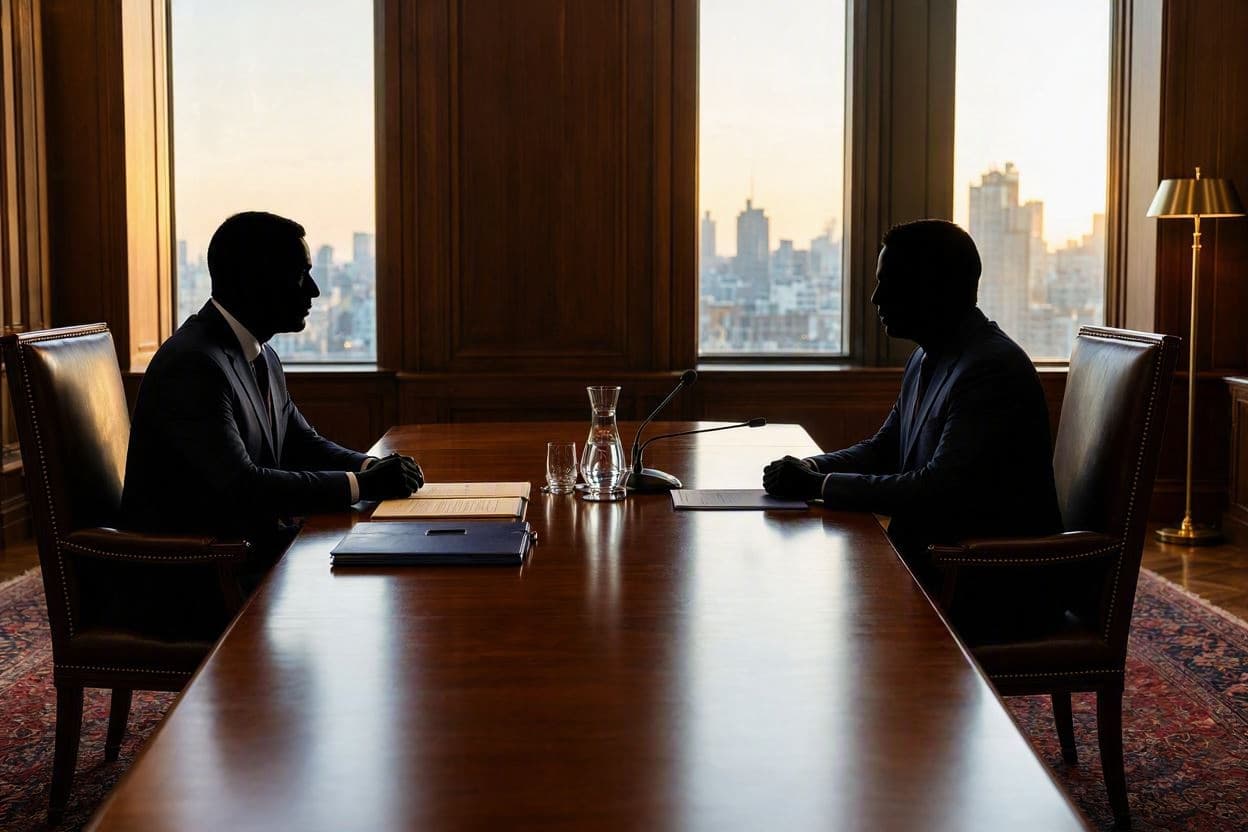
In the intricate dance of Middle Eastern diplomacy, informal channels often play a crucial role when official pathways stall. Jared Kushner, the former senior advisor to President Trump and son-in-law of the former president, recently met with Israeli Prime Minister Benjamin Netanyahu. The meeting, held in Jerusalem, aimed to break the logjam in negotiations over Gaza, highlighting the continued influence of private actors in high-stakes geopolitical affairs.
Kushner, who played a significant role in shaping US policy toward the region during the previous administration, maintains close ties with Israeli leadership. His visit comes at a critical time, as efforts to secure a ceasefire and release hostages have faced repeated obstacles. By engaging directly with Netanyahu, Kushner seeks to leverage his personal relationship to facilitate dialogue and explore new avenues for resolution.
The discussion reportedly focused on the humanitarian situation in Gaza and the potential for a phased withdrawal of Israeli forces. Kushner emphasized the need for a sustainable peace framework that addresses security concerns while allowing for reconstruction and aid delivery. His perspective, shaped by the Abraham Accords, favors economic integration and regional cooperation as tools for stability.
However, the involvement of a private citizen in such sensitive negotiations raises questions about transparency and accountability. Critics argue that unofficial diplomacy can bypass democratic oversight and complicate official state efforts. Supporters, meanwhile, contend that flexible, backchannel communications can achieve breakthroughs where formal diplomacy fails. The debate reflects the evolving nature of international relations in a multipolar world.
For the Biden administration, the meeting presents a delicate balance. While maintaining its own diplomatic initiatives, the White House must navigate the influence of prominent political figures from the opposition. The administration has reiterated its commitment to a two-state solution and humanitarian aid, stressing the importance of coordinated international effort. Kushner’s actions, though unofficial, inevitably intersect with these broader policy goals.
The response from Palestinian leaders has been cautious. Skepticism remains high regarding any initiative that does not explicitly guarantee statehood and full sovereignty. For many, the focus on economic solutions without political resolution is insufficient. The success of Kushner’s efforts will depend on his ability to address these core demands and build trust among all parties involved.
Regional actors, including Egypt and Qatar, continue to play pivotal roles as mediators. Their involvement ensures that any agreement has broad support and practical implementation mechanisms. Kushner’s meeting adds another layer to this complex web of diplomacy, potentially offering fresh ideas or reinforcing existing frameworks. The synergy between official and unofficial efforts will be key to progress.
As the talks proceed, the hope is that momentum can be built toward a lasting cessation of hostilities. The suffering in Gaza demands urgent action, and the international community remains vigilant. Whether Kushner’s intervention proves decisive remains to be seen, but it underscores the persistent search for peace in a region long defined by conflict. In the end, the goal is not just a deal, but a future where safety and dignity are shared by all.
AI Image Disclaimer: Visuals in this article are AI-generated illustrations of diplomatic settings and symbolic gestures of dialogue, designed to reflect the themes of negotiation and peace without depicting real individuals.
Sources: Axios, The Times of Israel, Politico, Reuters
Published by Banx Network. This article is part of the Banx decentralized media programme, powered by the BXE token on the XRP Ledger.