
Key Highlights
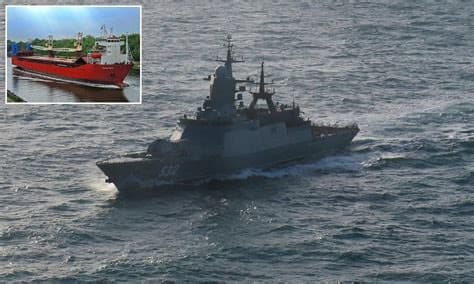
- Russian frigate escorts oil tankers through the English Channel.
- Kremlin defends actions as necessary against piracy threats.
- Concerns rise over maritime security and geopolitical tensions.
In a significant move that has drawn international attention, a Russian frigate has been escorting oil tankers through the English Channel. The Kremlin has publicly defended this action, labeling it a necessary measure to protect against what it describes as 'piracy'. This development has raised alarms among Western nations, who are increasingly concerned about maritime security and the potential for heightened tensions in an already fragile geopolitical environment.
The Russian government argues that the deployment of its naval forces is essential for safeguarding its shipping interests from perceived threats. Kremlin officials have emphasized that ensuring the security of maritime routes is a legitimate aspect of their military strategy. This assertion reflects a broader commitment to protecting vital trade channels, particularly in light of ongoing sanctions and geopolitical disputes.
This naval operation occurs against a backdrop of escalating tensions between Russia and Western nations, particularly regarding maritime operations. The escorting of tankers is interpreted not only as a demonstration of Russia's naval capabilities but also as a strategic assertion of its influence in critical shipping lanes. Analysts suggest that this could further strain relations with NATO countries, raising the specter of potential confrontations at sea.
The implications of this escort mission extend beyond immediate maritime security concerns. It raises fundamental questions about freedom of navigation in international waters and the extent to which military presence can be justified in these areas. As Russia continues to assert its naval power, the international community is left to grapple with the potential consequences for global trade and security.
As the situation evolves, the movements of Russian naval forces will be closely monitored by the international community. Ongoing discussions among NATO allies may become increasingly necessary to address emerging risks and maintain stability in the region. The Kremlin's actions could prompt a reevaluation of maritime strategies among Western nations, as they seek to counter perceived threats to their interests.
In conclusion, the Kremlin's defense of its naval escort operations underscores the complexities of contemporary maritime security. With tensions running high, the need for diplomatic dialogue and strategic cooperation among nations is more critical than ever to prevent misunderstandings and potential conflicts at sea.
Published by Banx Network. This article is part of the Banx decentralized media programme, powered by the BXE token on the XRP Ledger.



