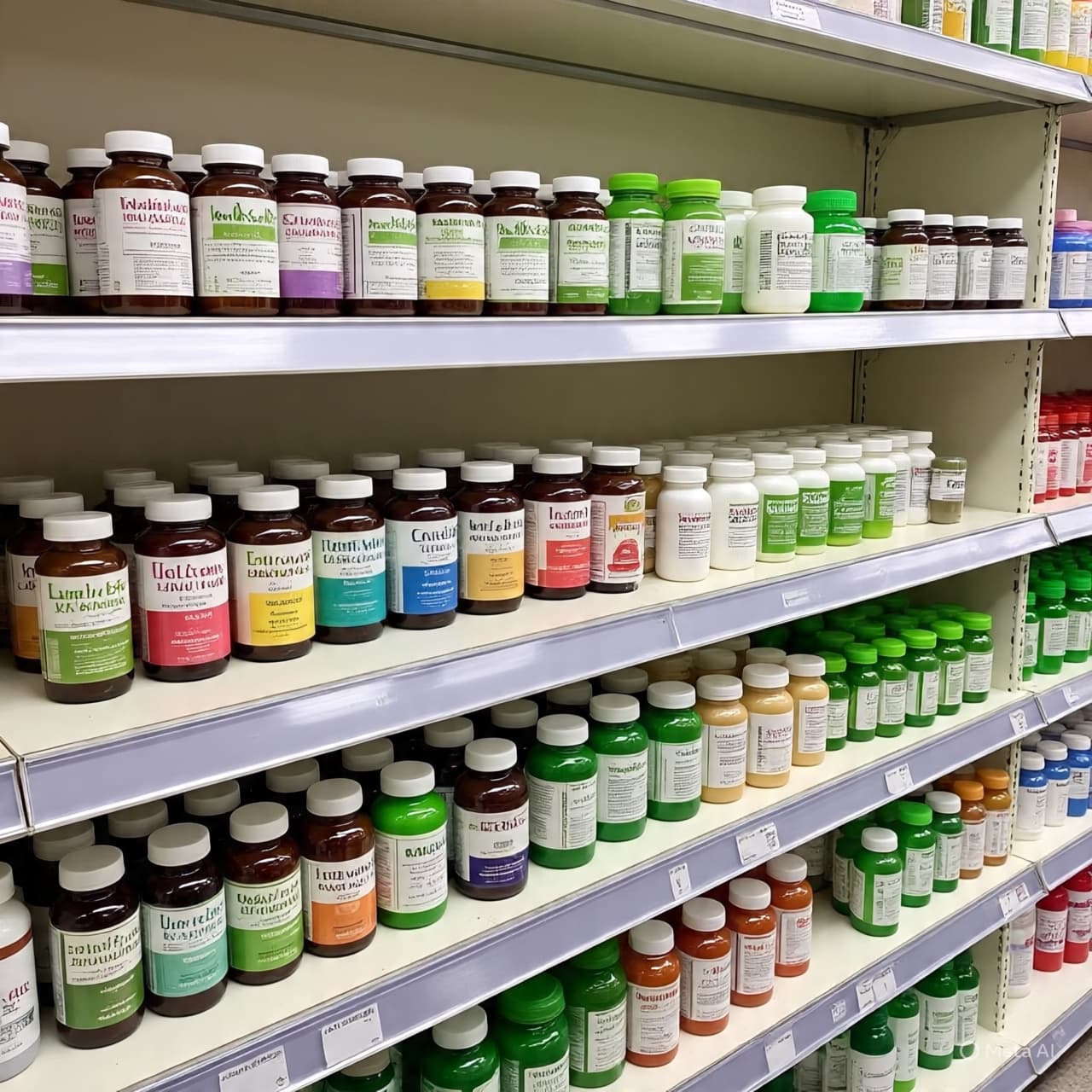
In many American towns, kratom sits quietly on convenience store shelves, nestled between energy drinks and herbal supplements, asking little of passersby beyond a glance. Like a leaf carried across oceans, it arrives with stories from distant places and meanings reshaped by the land it reaches. Once brewed in small villages in Southeast Asia, it now finds itself part of a modern conversation about wellness, risk, and responsibility, a conversation spoken softly but heard widely.
Kratom and products containing 7-hydroxymitragynine, often shortened to 7-OH, have become increasingly visible in recent years. They are sold in powders, capsules, and concentrated extracts, often marketed as natural aids for pain relief, mood support, or energy. For some users, kratom is described as a bridge something that helped them step away from stronger substances or manage discomfort when other options felt out of reach. These personal accounts, shared in quiet forums and everyday conversations, have helped fuel kratom’s steady rise.
Yet alongside these stories runs another current, calmer but firm. Public health officials have raised concerns about safety, consistency, and long-term effects. Kratom’s active compounds interact with opioid receptors in the brain, a fact that places it in a complicated category, neither fully understood nor easily dismissed. The emergence of highly concentrated 7-OH products has added another layer, as these formulations may amplify effects beyond those traditionally associated with the raw leaf.
Regulation remains uneven. In much of the United States, kratom is legal and lightly regulated, treated more like a supplement than a drug. This patchwork approach has led to wide variation in product strength and labeling, leaving consumers to navigate choices with limited guidance. Health agencies have reported adverse events, including dependence and, in rare cases, severe outcomes when kratom is combined with other substances. At the same time, researchers note that comprehensive clinical studies are still limited, leaving gaps where certainty might otherwise live.
Supporters of kratom often emphasize autonomy and harm reduction. They argue that outright bans risk pushing people toward more dangerous alternatives or underground markets. Some advocate for clearer labeling, age restrictions, and quality standards rather than prohibition. In this view, kratom is not a simple villain or hero, but a tool whose impact depends on context, education, and restraint.
As the debate continues, kratom occupies a space between folk tradition and modern commerce. It challenges regulators to balance caution with curiosity, and consumers to weigh anecdote against evidence. Like many substances before it, kratom reflects a broader question: how society responds when ancient practices meet contemporary demand. The answer, still unfolding, appears likely to arrive not in absolutes, but in careful steps shaped by research, policy, and lived experience.
AI Image Disclaimer Visuals are created with AI tools and are not real photographs.
Sources U.S. Food and Drug Administration Centers for Disease Control and Prevention National Institutes of Health World Health Organization The New York Times
Published by Banx Network. This article is part of the Banx decentralized media programme, powered by the BXE token on the XRP Ledger.