
Key Highlights
- South Korea is evaluating its role in maritime security amid rising tensions in the Strait of Hormuz.
- The US has proposed the Maritime Freedom Construct (MFC) to ensure safe navigation in the region.
- President Lee Jae Myung emphasizes a practical contribution to maritime security while weighing diplomatic implications.
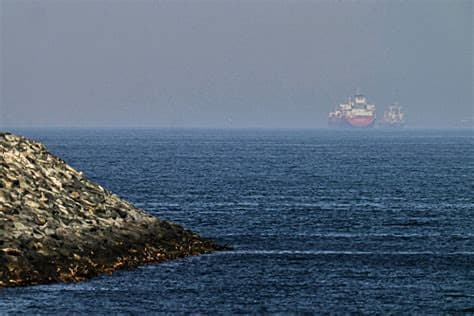
As tensions escalate in the Strait of Hormuz, where approximately 70% of South Korea's imported crude oil transits, the South Korean government is actively evaluating its role in safeguarding maritime security. This assessment comes in light of a new initiative proposed by the United States, known as the Maritime Freedom Construct (MFC), which aims to restore safe navigation through this crucial waterway. Concurrently, South Korea is engaged in discussions surrounding a maritime coalition led by the United Kingdom and France, further complicating its decision-making process.
President Lee Jae Myung has publicly expressed a commitment to contribute "practically" to maritime security in the strait. However, a Ministry of National Defense official indicated that the government would take its time to carefully consider its involvement in both the US-led initiative and the UK-France coalition. This deliberation is crucial as it involves weighing the diplomatic, economic, and military implications of such participation.
Since the onset of the recent US-Israel conflict with Iran on February 28, the Strait of Hormuz has faced significant blockades, raising fears of rising global oil prices and instability in trade networks. The South Korean defense ministry has reiterated that discussions with US officials regarding the strait are ongoing, as Seoul reflects on the potential impacts and requirements of both coalitions. The urgency of the situation necessitates a timely response from South Korea, which is under pressure to define its role in either coalition.
Analysts believe that South Korea's inclusion in these coalitions could enhance its international standing. However, they caution that it may complicate military asset deployments, particularly given the unpredictable political landscape in the region. Options under consideration include deploying liaison officers for better coordination or engaging in intelligence sharing, both of which could strengthen South Korea's contributions to maritime security.
As the situation evolves, South Korea faces the challenge of balancing its participation in international maritime security efforts with safety considerations and domestic legislative requirements. The government aims for a judicious approach to ensure that national interests are safeguarded while contributing to global security efforts. As discussions progress, the South Korean administration is keenly aware of the need for a strategic response that aligns with its long-term objectives in the region.
Published by Banx Network. This article is part of the Banx decentralized media programme, powered by the BXE token on the XRP Ledger.



