
Key Highlights
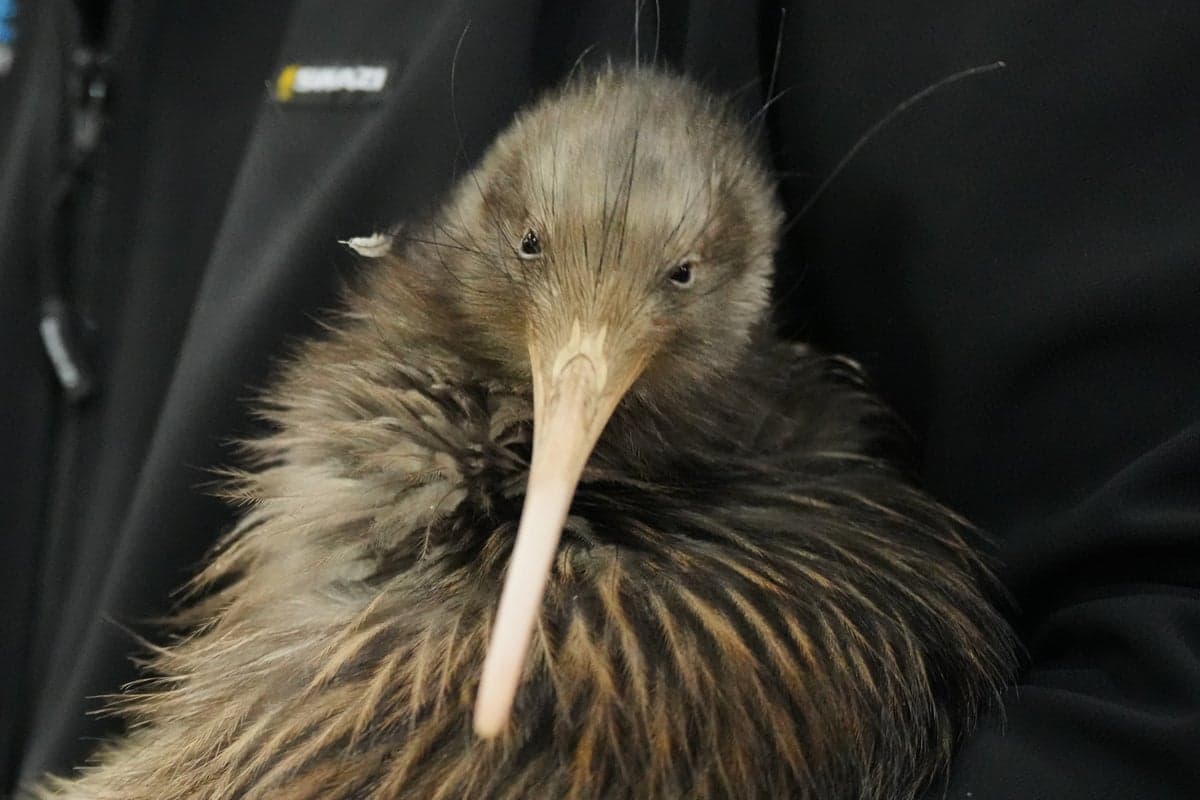
- Successful Return:Kiwi birds have returned to Wellington after a century of absence.
- Community Effort:The Capital Kiwi Project led the initiative, engaging local residents.
- Conservation Impact:The project has significantly improved kiwi chick survival rates.
The return of kiwi birds to the hills surrounding Wellington marks a significant milestone in New Zealand's conservation efforts. After disappearing from the area over a century ago, these iconic flightless birds are now being reintroduced thanks to the dedicated work of the Capital Kiwi Project. This initiative has mobilized local residents and conservationists alike, all committed to restoring the kiwi to its natural habitat.
Paul Ward, the founder of the Capital Kiwi Project, emphasized the importance of the kiwi to the local community, stating, "The kiwi is a part of who we are and our sense of belonging here." On a foggy night, Ward and a team of volunteers successfully transported seven kiwi birds in crates to their new homes, marking the relocation of the 250th bird since the project's inception.
Historically, kiwi populations thrived across New Zealand, with estimates suggesting that around 12 million birds roamed the country before human settlement. However, due to habitat loss and predation from introduced species, the kiwi population has drastically declined, with only about 70,000 remaining today. The population continues to decrease by approximately 2% each year, underscoring the urgent need for conservation initiatives like the Capital Kiwi Project.
To combat these threats, the project has established a carefully managed environment that includes over 5,000 traps designed to protect kiwi chicks from predators such as stoats. This proactive approach has resulted in an impressive 90% survival rate for kiwi chicks in the Wellington region, allowing the community to witness these culturally significant birds thriving in their natural surroundings once again.
The Capital Kiwi Project serves as a prime example of how community engagement can play a pivotal role in wildlife conservation. By encouraging local residents to actively participate in caring for their environment, the initiative not only aims to restore the kiwi's presence but also fosters a sense of stewardship among community members. As these birds adapt to life in the hills of Wellington, their return stands as a hopeful symbol of conservation success for New Zealand, inspiring further efforts to protect the country's unique wildlife.
The successful reintroduction of kiwi birds to Wellington is a testament to the power of community-driven conservation efforts. As the Capital Kiwi Project continues its work, it highlights the importance of collaboration between local residents and conservationists in ensuring the survival of New Zealand's beloved national bird.
Published by Banx Network. This article is part of the Banx decentralized media programme, powered by the BXE token on the XRP Ledger.



