Cities often learn how to live beside uncertainty. Markets continue opening at sunrise, buses move through crowded streets, and families gather for ordinary routines even while distant crises cast long shadows over daily life. In the Democratic Republic of Congo, as Ebola outbreaks continue affecting rural regions, the capital city of Kinshasa is attempting to preserve normalcy amid growing public concern and national vigilance.
Health officials in Congo have continued monitoring Ebola cases emerging in affected countryside areas, where medical infrastructure is often limited and access to treatment can be difficult. Authorities and international health organizations have worked to contain the outbreak through surveillance, isolation procedures, contact tracing, and vaccination efforts.
Kinshasa, a densely populated city of millions, has not experienced the same scale of outbreak conditions seen in some rural provinces. Still, the capital remains highly alert because large urban populations and transportation networks could increase risks if infections spread into major metropolitan areas.
Ebola is one of the world’s most dangerous viral diseases, capable of causing severe hemorrhagic fever with high fatality rates if not rapidly contained. Previous outbreaks in Central and West Africa demonstrated how quickly fear and misinformation can spread alongside the virus itself.
Hospitals and health agencies in Congo have reportedly increased screening measures while public awareness campaigns encourage residents to seek medical attention for symptoms and avoid panic. International organizations including the World Health Organization have also supported containment efforts and emergency response coordination.
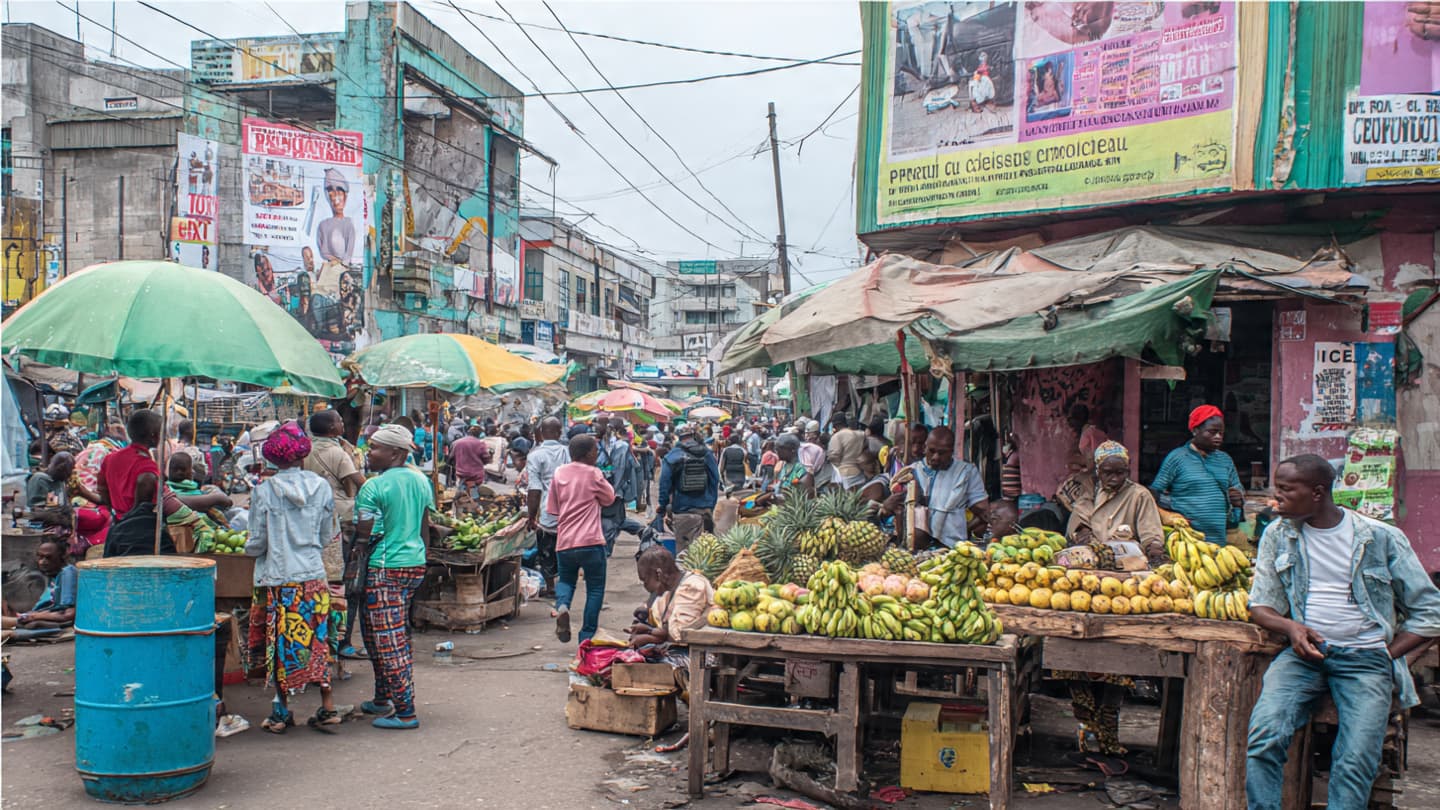
At the same time, economic life inside Kinshasa continues moving forward. Street vendors, schools, transport systems, and businesses remain active as residents balance caution with the practical realities of everyday survival in one of Africa’s largest cities.
Observers note that managing Ebola outbreaks involves not only medical treatment but also public trust. Communities affected by earlier outbreaks sometimes expressed skepticism toward health authorities, making communication and local cooperation essential parts of disease control strategies.
For now, Congo’s capital reflects both resilience and anxiety during another difficult public health challenge. While the outbreak continues in rural regions, millions in Kinshasa are trying to carry on with ordinary life beneath the quiet tension of uncertainty.
AI Image Disclaimer: Some visuals accompanying this article may include AI-generated representations of public health and urban response scenes.
Sources: Reuters, World Health Organization, BBC, Associated Press, Al Jazeera
Published by Banx Network. This article is part of the Banx decentralized media programme, powered by the BXE token on the XRP Ledger.