

Key Highlights
- Ongoing Ebola outbreaks in rural Congo are raising public health concerns.
- Kinshasa, the capital, remains vigilant while daily life continues.
- Health officials are implementing measures to contain the virus and educate the public.
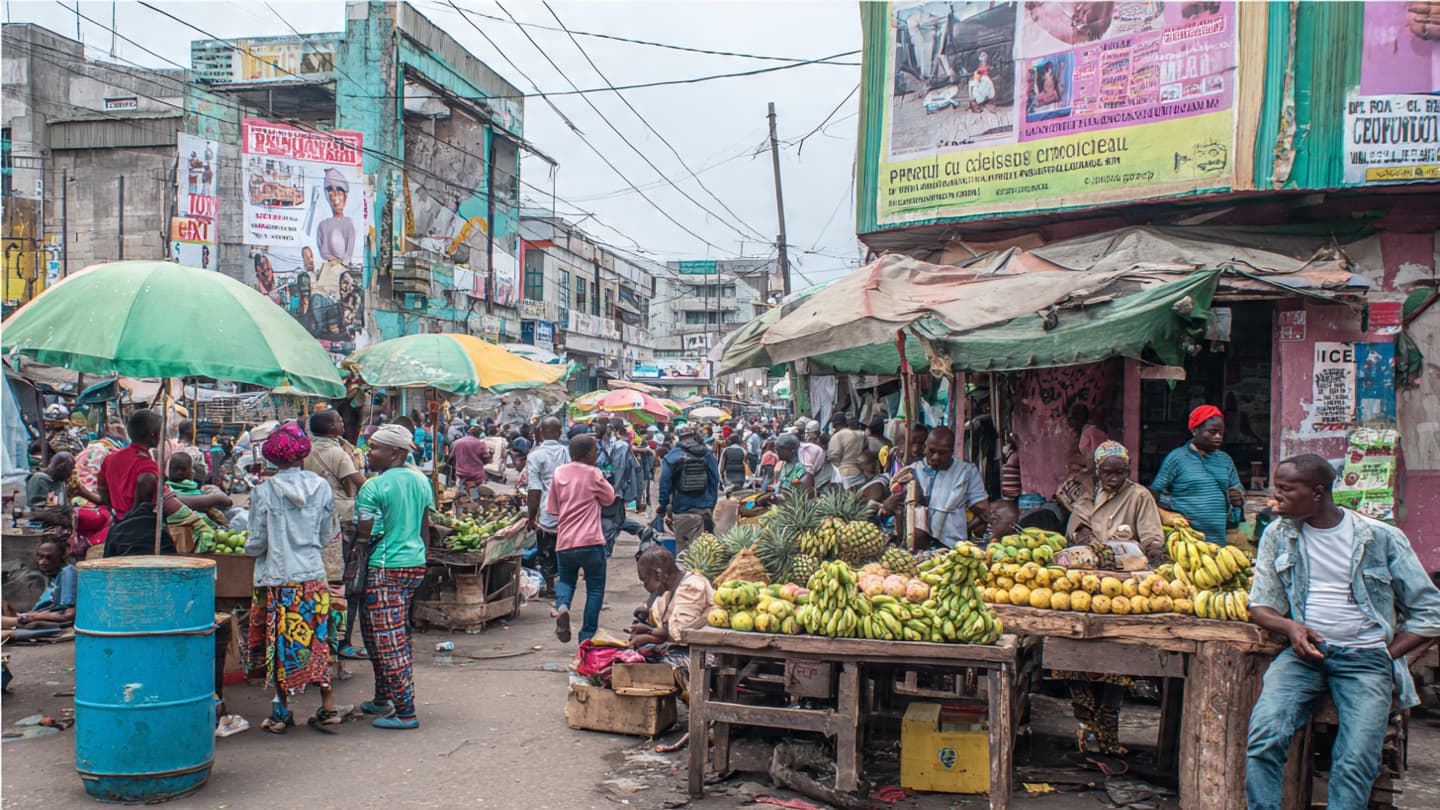
In the Democratic Republic of Congo, the capital city of Kinshasa is navigating the complexities of daily life amid ongoing Ebola outbreaks affecting rural areas. As health officials monitor the situation closely, residents are striving to maintain a sense of normalcy despite the looming threat of the virus. Markets open at sunrise, buses navigate crowded streets, and families engage in their daily routines, all while the specter of Ebola casts a shadow over the countryside.
Health authorities in Congo have been actively tracking Ebola cases in rural regions, where medical infrastructure is often inadequate and access to treatment can be challenging. The government, alongside international health organizations, has implemented a range of strategies to combat the outbreak, including surveillance, isolation protocols, contact tracing, and vaccination campaigns. These efforts are crucial in preventing the virus from spreading to urban centers like Kinshasa, which has a population of millions.
While Kinshasa has not faced the same level of outbreak conditions as some rural provinces, the city remains on high alert. The interconnectedness of urban populations and transportation networks poses a significant risk if infections were to infiltrate the capital. Health officials emphasize the importance of vigilance and preparedness, as the rapid spread of Ebola can lead to severe consequences if not contained swiftly.
Ebola is notorious for its high fatality rates and the severe hemorrhagic fever it causes. Historical outbreaks in Central and West Africa have shown how quickly fear and misinformation can proliferate alongside the virus. In response, hospitals and health agencies in Congo have ramped up screening measures and launched public awareness campaigns to encourage residents to seek medical attention for symptoms and avoid panic.
International organizations, including the World Health Organization, are playing a vital role in supporting containment efforts and coordinating emergency responses. Their involvement is essential in ensuring that health authorities have the resources and knowledge needed to effectively manage the outbreak and communicate with the public.
Despite the challenges posed by the Ebola outbreak, economic life in Kinshasa continues to move forward. Street vendors, schools, transportation systems, and businesses remain active as residents balance caution with the practical realities of everyday survival in one of Africa's largest cities. This resilience is a testament to the community's ability to adapt and persevere in the face of adversity.
Observers note that managing Ebola outbreaks requires not only medical intervention but also building public trust. In previous outbreaks, communities have sometimes expressed skepticism toward health authorities, highlighting the importance of effective communication and local cooperation in disease control strategies. For now, Kinshasa reflects a blend of resilience and anxiety as it navigates another public health challenge, with millions of residents striving to carry on with their lives amid the uncertainty of the ongoing Ebola situation.
Published by Banx Network. This article is part of the Banx decentralized media programme, powered by the BXE token on the XRP Ledger.




