
Key Highlights
- Meeting:King Charles III met with First Nations chiefs at Buckingham Palace.
- Concerns:Chiefs expressed worries about Alberta's separatist movement undermining treaty agreements.
- Invitation:Chiefs invited King Charles to Treaty No. 6 anniversary celebrations in August.
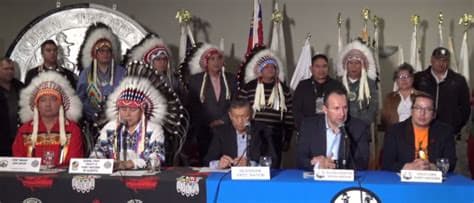
King Charles III recently convened with First Nations chiefs at Buckingham Palace to address the escalating separatist sentiments in Alberta, Canada. This meeting comes at a critical juncture as the grassroots movement advocating for Alberta's independence has gained sufficient traction to propose a referendum scheduled for October. Grand Chief Joey Pete of the Confederacy of Treaty No. 6 articulated the chiefs' apprehensions that the separatist movement could jeopardize the treaty agreements established over a century ago.
During the meeting, Grand Chief Pete noted that King Charles demonstrated a genuine interest in the issues raised by the chiefs. He expressed concern about the potential ramifications of secession on First Nations rights, highlighting the importance of maintaining the integrity of treaty obligations. The chiefs took this opportunity to request a Royal Proclamation that would affirm their treaties with the Crown and the inherent rights associated with them, reinforcing their status as treaty partners.
The timing of this meeting is particularly significant, as First Nations leaders have been increasingly vocal in their opposition to the Alberta separatist movement. Some leaders have initiated legal challenges against the signature collection efforts for the referendum, arguing that the movement threatens their rights and the historical agreements made with the Crown. The Alberta Prosperity Project, which spearheads the separatist initiative, claims that independence would yield financial benefits and improved governance for the province.
In comments to reporters following the meeting, Chief Pete emphasized the divisions and hardships that the separatist sentiment has fostered within Alberta's communities. He underscored the necessity for unity and the recognition of treaty rights as fundamental components of governance and reconciliation efforts. The chiefs conveyed that their dialogue with the monarchy is a pivotal step in addressing their concerns and ensuring that treaty obligations are honored.
The chiefs also extended an invitation to King Charles to participate in the celebrations marking the 150th anniversary of Treaty No. 6, which will take place in Edmonton this August. This invitation reflects their desire for continued engagement and dialogue with the Crown on matters of treaty rights and Indigenous sovereignty.
Meanwhile, Alberta's government, led by Premier Danielle Smith, has faced scrutiny for permitting the separatists to gather signatures for their referendum. Indigenous Relations Minister Rajan Sawhney has expressed her intention to meet with leaders to discuss allegations surrounding potential treaty violations, indicating a willingness to engage with First Nations concerns.
This encounter has reignited discussions surrounding the historical treaties that shape the relationship between Indigenous peoples and the Crown, as well as the ongoing negotiations in light of contemporary political challenges. As Alberta navigates this complex landscape, the implications of the separatist movement on Indigenous rights and governance remain a critical area of focus for both the province and the federal government.
Published by Banx Network. This article is part of the Banx decentralized media programme, powered by the BXE token on the XRP Ledger.



