When public transport becomes free, the barriers to mobility vanish, inviting everyone to ride. In regions where fares have been waived, bus services have seen a surge in popularity, with ridership climbing by significant margins. However, this newfound accessibility has brought an unexpected challenge: a rise in "no-shows," where passengers reserve seats but fail to board, leaving buses running empty and disrupting schedules.
Kinetic, a major operator of urban and regional bus services, has found itself at the forefront of this issue. As demand for intercity routes grows, the company has reported that fully booked buses are sometimes departing with vacant seats. This inefficiency not only affects revenue models but also denies access to other passengers who might have benefited from the available space. It is a paradox of abundance: too many reservations, yet not enough presence.
To address this, Kinetic is rolling out a new reminder system designed to encourage accountability among passengers. Through SMS notifications and app alerts, travelers will receive prompts before their scheduled departure, asking them to confirm their intent to travel. If they do not respond or cancel, the seat can be released to others on a waitlist. This simple nudge aims to bridge the gap between intention and action.
The rise in no-shows is partly attributed to the lack of financial consequence. When there is no money at stake, the commitment to a reservation feels less binding. Passengers may book multiple options as a safety net, only to choose one last minute, leaving the others empty. This behavior, while rational for the individual, creates systemic inefficiencies that impact the reliability of the service for everyone.
Kinetic’s CEO has highlighted the disruption caused by these empty seats, particularly in regional areas where services are less frequent. For communities relying on these connections for work, education, and healthcare, a full bus that runs empty is a missed opportunity. The new system seeks to restore balance, ensuring that resources are used effectively and fairly.
Public reaction to the initiative has been mixed. Some passengers appreciate the effort to improve reliability, while others view the reminders as an unnecessary intrusion. However, most understand the need for sustainable practices. By fostering a culture of respect for shared resources, the company hopes to reduce waste and enhance the overall experience for regular commuters.
The success of this program could set a precedent for other transit agencies facing similar challenges. As free or subsidized transport becomes more common globally, managing demand without financial penalties will require innovative solutions. Kinetic’s approach offers a model that balances convenience with responsibility, using technology to gently guide behavior.
Ultimately, the goal is to ensure that public transport remains a viable and reliable option for all. By tackling the issue of no-shows, Kinetic is not just optimizing operations but also reinforcing the value of community participation. It is a small step toward a more efficient and equitable system, where every seat counts and every journey matters.
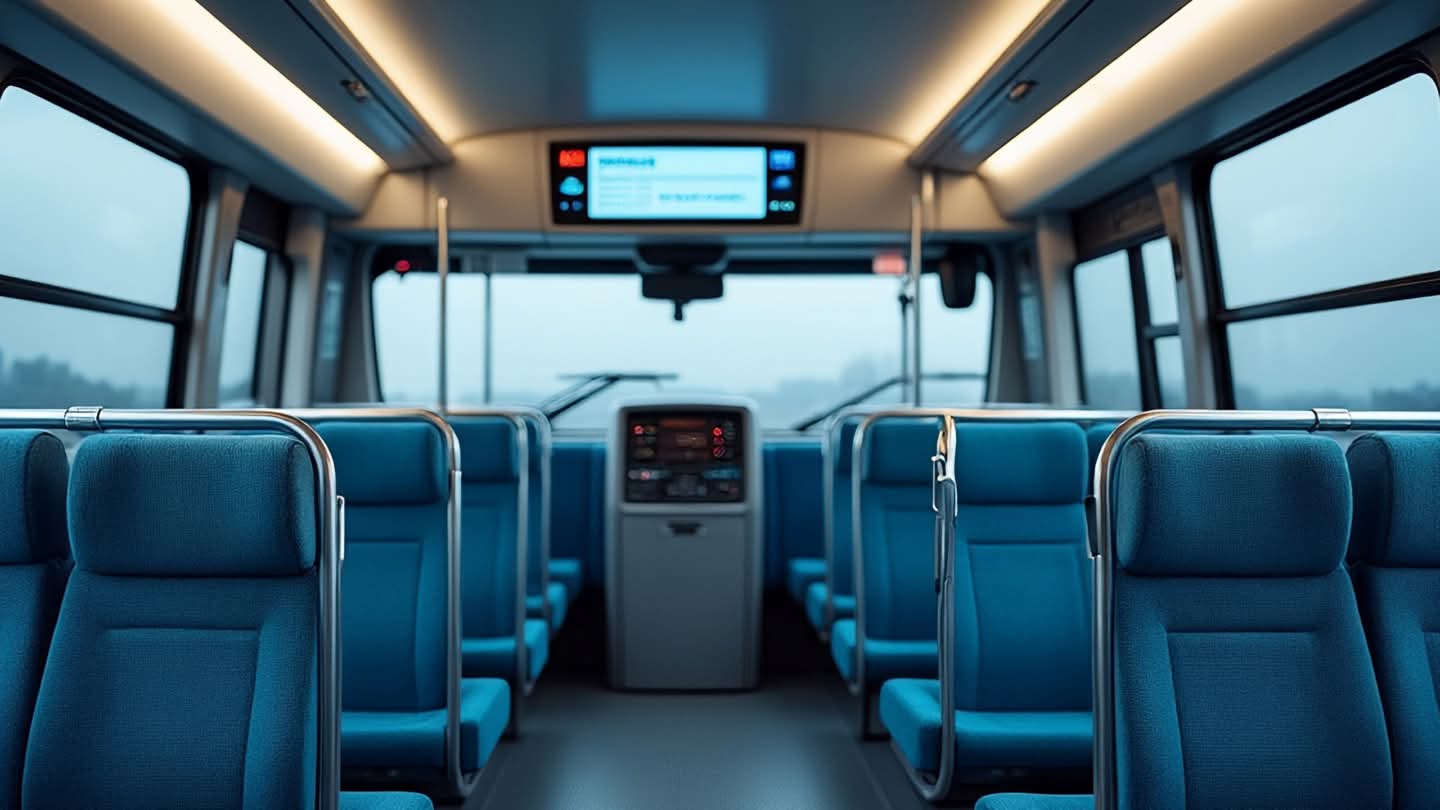
AI Image Disclaimer: Images accompanying this report are AI-generated illustrations of modern bus interiors and digital notification interfaces, designed to visualize the concept of efficient public transport.
Sources: ABC News, Pulse Tasmania, We Are Kinetic, TransLink
Published by Banx Network. This article is part of the Banx decentralized media programme, powered by the BXE token on the XRP Ledger.