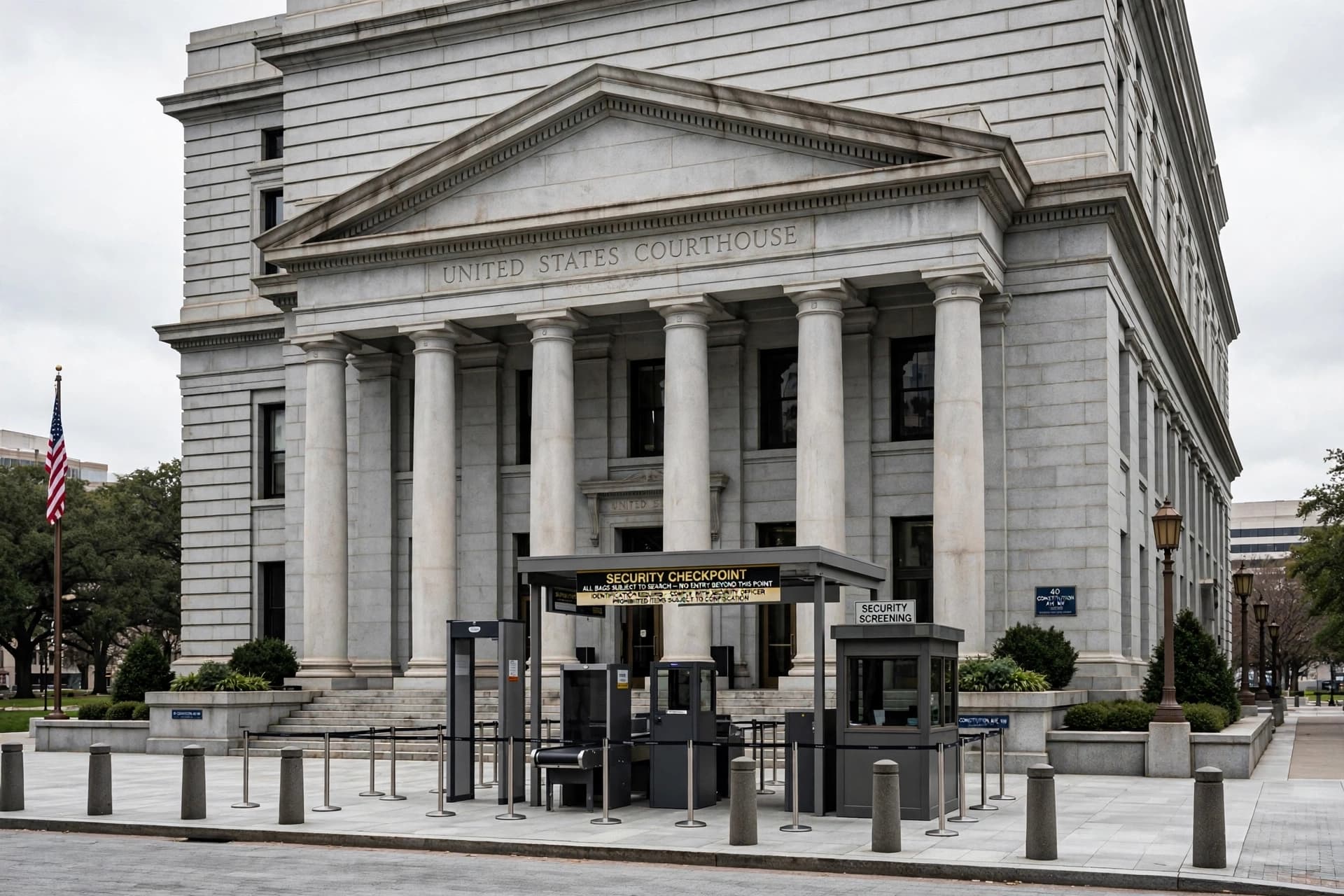
In the theater of political discourse, irony often plays a starring role, revealing the complexities of human ambition and moral consistency. Ken Paxton, the Texas Attorney General and a U.S. Senate candidate, has built his career on a steadfast crusade against voter fraud, positioning himself as a guardian of election integrity. Yet, as the campaign intensifies, his Democratic rival, Colin Allred, has leveled accusations that Paxton himself engaged in irregular voting practices. This twist transforms a familiar political narrative into a poignant exploration of hypocrisy and accountability.
The allegation is not merely a campaign tactic but a mirror held up to the standards politicians set for others. It invites voters to consider whether those who demand strict adherence to the rules are themselves willing to follow them, adding a layer of moral scrutiny to the electoral process.
Body: The controversy centers on reports that Paxton voted in multiple elections using an address that may not have been his primary residence. According to investigations by ProPublica and The Texas Tribune, Paxton cast ballots in six different counties over the years, raising questions about compliance with Texas residency laws. For a politician who has championed stringent voter ID laws and prosecuted alleged fraud cases, these findings present a significant contradiction.
Colin Allred, the Democratic nominee, has seized on these reports, framing them as evidence of double standards. In campaign statements, Allred has argued that Paxton’s actions undermine the very principles he claims to uphold. The accusation strikes at the heart of Paxton’s political brand, which relies heavily on themes of law and order. It forces a conversation about whether intent matters more than action, or if the letter of the law applies equally to all.
Paxton’s campaign has dismissed the allegations as politically motivated attacks, asserting that he followed all applicable laws and that his voting history was consistent with his legal residences at the time. They point to the complexity of maintaining multiple properties and the nuances of Texas election code. However, critics argue that the appearance of impropriety is damaging enough, regardless of legal technicalities.
The issue has resonated with voters who are increasingly sensitive to issues of fairness and transparency. In a state where election integrity is a hot-button topic, the suggestion that a top law enforcement official may have bent the rules is particularly potent. It highlights the tension between political rhetoric and personal conduct, a dynamic that often defines modern campaigns.
Legal experts note that proving intentional voter fraud is difficult, and that many such cases result from confusion or administrative errors rather than malicious intent. Nevertheless, the political impact is real. The accusation has become a focal point in debates, with both sides using it to mobilize their bases. For Republicans, it is a distraction; for Democrats, it is a decisive argument.
As the election approaches, the focus remains on how voters weigh these conflicting narratives. Some may view the allegations as minor compared to broader policy differences, while others may see them as disqualifying. The outcome will depend on the electorate’s prioritization of character versus ideology, a choice that defines many democratic contests.
Closing: The saga of Ken Paxton and the voting allegations serves as a reminder that political leaders are subject to the same laws they enforce. Whether the accusations lead to legal consequences or simply political fallout, they underscore the importance of consistency in public service. In the end, the ballot box remains the ultimate arbiter of truth and trust.
AI Image Disclaimer: Please be aware that any visual illustrations accompanying this text are AI-generated interpretations designed to evoke the thematic context of political debate and electoral integrity, and do not depict actual photographs of Ken Paxton, Colin Allred, or specific voting locations.
Sources: The Texas Tribune ProPublica The New York Times Dallas Morning News
Published by Banx Network. This article is part of the Banx decentralized media programme, powered by the BXE token on the XRP Ledger.