
Key Highlights
- 19 protesters sentenced in Kazakhstan for advocating against repression in Xinjiang.
- Protests highlighted humanitarian issues faced by Uyghurs and ethnic minorities.
- Sentencing raises concerns about freedom of expression and human rights in Kazakhstan.
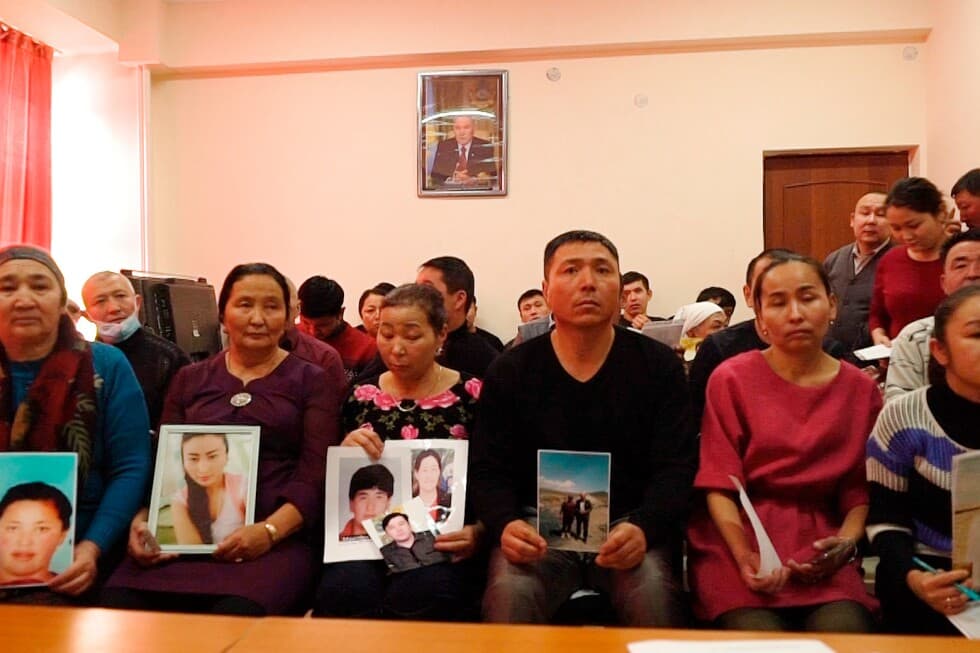
Kazakhstan has recently sentenced 19 individuals who participated in protests advocating against the repression of ethnic minorities in China’s Xinjiang region. These protests, which occurred in response to reports of human rights abuses, including mass detentions and cultural suppression of the Uyghur community, have sparked significant public concern across Central Asia. The sentences have drawn condemnation from human rights organizations, who argue that they represent an attempt to stifle dissent and silence voices advocating for marginalized communities.
The protests in Kazakhstan were particularly poignant given the country’s demographic makeup, which includes a substantial population of ethnic Kazakhs with familial ties to individuals in Xinjiang. This connection has intensified calls from citizens and international observers for the Kazakh government to take a more definitive stance on the human rights violations occurring in the region. However, the government has been cautious in its approach, acknowledging the concerns while refraining from direct criticism of Beijing, a crucial economic partner.
The sentencing of these activists has raised alarms about the state of freedom of expression and assembly in Kazakhstan. Critics argue that such actions may deter future activism and create a chilling effect on public discourse regarding human rights issues. The government’s response to the protests reflects a broader trend of limiting civil liberties in the face of dissent, raising questions about its commitment to uphold human rights standards.
As Kazakhstan navigates its complex geopolitical landscape, the implications of these sentences extend beyond domestic policy. The international community is closely monitoring the situation, as it could influence Kazakhstan’s relations with both China and Western nations concerned about human rights. The protests have ignited discussions about the responsibilities of states to protect human rights and the need for ongoing advocacy for those affected by repression.
In light of these developments, the global dialogue surrounding Xinjiang and its implications for Central Asia is likely to continue evolving. Activists and human rights organizations are expected to maintain pressure on the Kazakh government, urging it to address these pressing issues and uphold its commitments to human rights.
The situation in Kazakhstan serves as a critical reminder of the delicate balance between economic interests and the protection of fundamental rights, highlighting the importance of continued vigilance and advocacy in the face of repression.
Published by Banx Network. This article is part of the Banx decentralized media programme, powered by the BXE token on the XRP Ledger.



