
Key Highlights
- Attack Details:Militants stormed a Rangers headquarters in Karachi, killing three soldiers.
- Casualties:Four additional security personnel were wounded during the assault.
- Group Responsibility:The Jamaat-ul-Ahrar faction of the Pakistani Taliban claimed responsibility for the attack.
Karachi, Pakistan—In a shocking escalation of violence, militants launched a coordinated assault on a regional Rangers headquarters late Saturday night, resulting in the deaths of three paramilitary soldiers. The attack began when a vehicle laden with explosives crashed through the facility's gates, triggering a fierce gunfight that lasted into the early hours of Sunday. In addition to the fatalities, four other security personnel sustained injuries during the confrontation.
Military officials confirmed the casualties early Sunday morning, stating that security forces managed to kill three of the attackers during the ensuing gunfire. A fourth assailant was captured, albeit wounded, and is currently in military custody for interrogation. Eyewitnesses in the Gulistan-i-Jauhar area reported hearing a massive explosion followed by a barrage of automatic weapon fire, indicating the intensity of the assault.
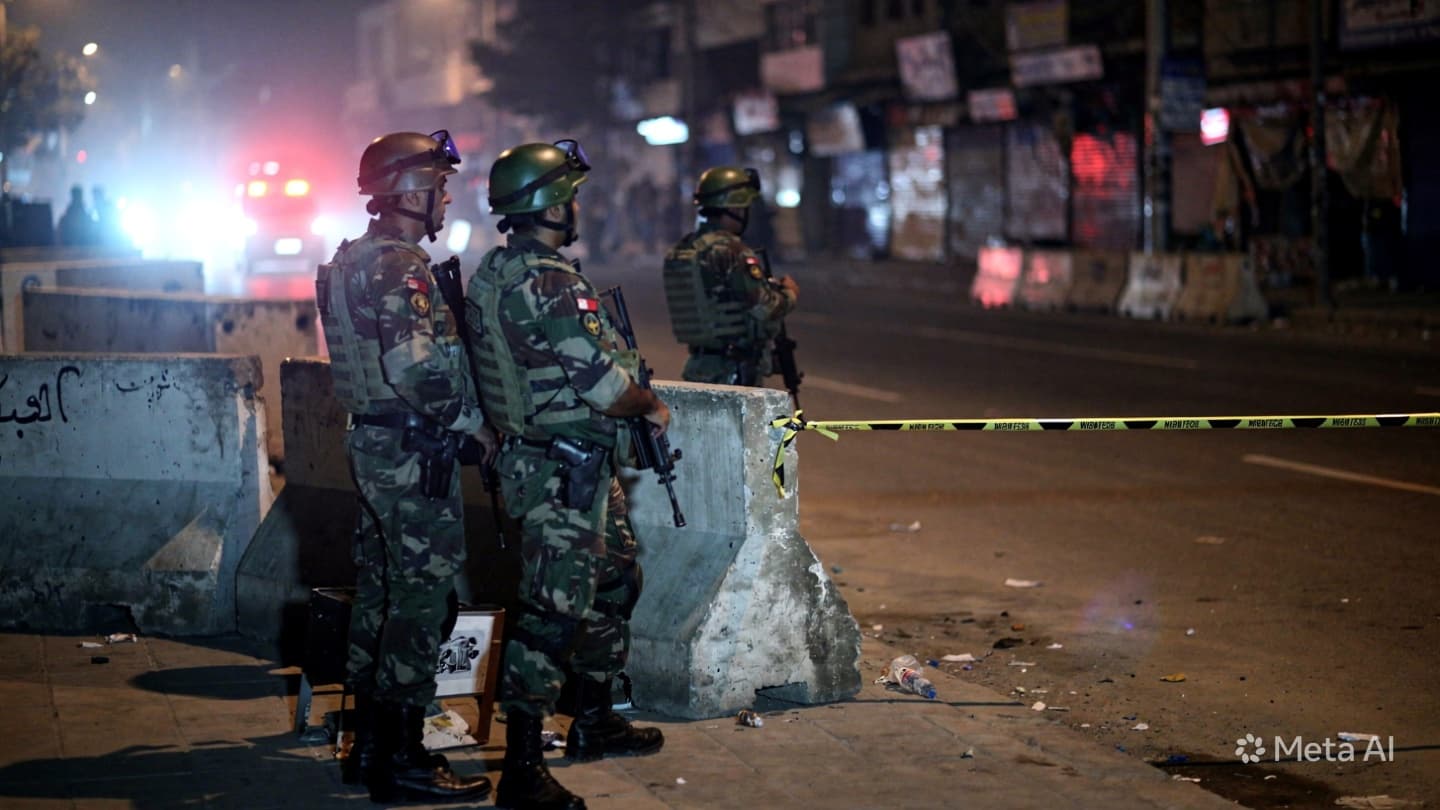
Local police quickly cordoned off the area surrounding the Rangers headquarters as the situation escalated. Special forces were deployed to secure the perimeter and neutralize any remaining threats. The rapid response highlights the urgency with which security forces are addressing the ongoing threat posed by militant groups in urban centers.
The Jamaat-ul-Ahrar group, a faction of the Pakistani Taliban, has claimed responsibility for the attack. This group has a notorious history of targeting state infrastructure and personnel. In a statement, the military dismissed the group as an Indian proxy, although they did not provide any public evidence to substantiate this claim. The assertion reflects the complex narrative surrounding militant activities in Pakistan, where various factions often exploit regional tensions.
In the aftermath of the attack, operations in the vicinity remain active, with security cordons tightly enforced to prevent civilian movement near the compound. Explosive disposal teams are currently engaged in clearing the blast zone of any secondary devices, a critical step in ensuring the safety of both military personnel and civilians in the area.
As dawn broke, the military issued a stern statement vowing a swift and severe response against those responsible for the attack. Historically, such incidents have led to retaliatory airstrikes, and the rhetoric from military officials suggests a similar course of action may be forthcoming. The ongoing tensions in the region underscore the persistent friction between state forces and insurgent cells operating within urban environments.
The wounded soldiers are reported to be in stable condition at a nearby military hospital. Investigators are actively interviewing the captured suspect, aiming to gather intelligence on the planning and execution of the attack. Meanwhile, the entrance to the facility remains heavily fortified as cleanup efforts commence, signaling a continued commitment to securing the area against future threats.
This incident serves as a stark reminder of the volatile security landscape in Pakistan, where militant groups continue to challenge state authority and threaten the safety of both military and civilian populations. Intelligence agencies are currently reviewing how the vehicle managed to bypass initial security checkpoints, a critical question that could inform future security measures.
Published by Banx Network. This article is part of the Banx decentralized media programme, powered by the BXE token on the XRP Ledger.



