
Key Highlights
- Former Wagner fighters are returning from Africa to join the Russian Volunteer Corps (RVC).
- Denis Kapustin emphasizes ideological motivations over financial gain for these fighters.
- The RVC aims to restore Ukraine's territorial integrity and oppose the Russian regime.
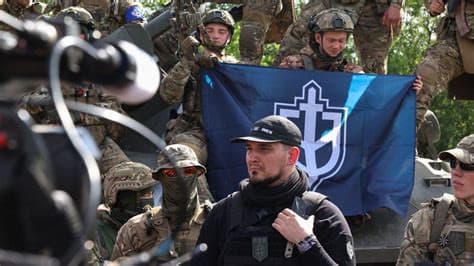
In a recent interview, Denis Kapustin, the commander of the Russian Volunteer Corps (RVC), announced a significant shift in the dynamics of Russian military factions. Former fighters of the Wagner Group, a notorious private military contractor, are reportedly returning from Africa to join the RVC. Kapustin highlighted that these fighters are driven by ideals rather than financial incentives, stating, “If money were important to them, they would have stayed in Africa or fought for the Russian army. Instead, they are opting for the tougher path.” This statement underscores the ideological commitment of these volunteers, who are choosing to engage in combat for Ukraine.
The transition of these fighters reflects a broader trend of Russian individuals aligning with groups that oppose the Kremlin. Many of these former Wagner members have sold their properties back in Russia, indicating a serious commitment to their new cause. Kapustin noted that the RVC has been actively recruiting Russian prisoners of war from various military units, including those from Wagner. He mentioned Vladislav Izmailov as the first individual from Wagner to join the RVC, who has been recognized for his combat service.
The RVC, which is significantly composed of ethnic Russians, has a clear mission: to restore Ukraine's territorial integrity and to overthrow the current Russian regime. Kapustin has publicly encouraged all former Wagner fighters and members of other private paramilitary groups to join the RVC, emphasizing the need for unity against Putin’s government. This call to action reflects the growing discontent among some Russian military personnel regarding the Kremlin's policies and actions.
As the conflict in Ukraine escalates, the influx of Wagner fighters into the Russian Volunteer Corps illustrates the shifting dynamics within Russian military factions. This development not only impacts the strategies on the ground in Ukraine but also highlights the internal dissent brewing against the Russian leadership. The motivations of these fighters, rooted in ideological beliefs, could significantly influence the ongoing conflict and the future of Russian military engagement in Ukraine.
The implications of this transition are profound, as it may alter the balance of power among various factions within the conflict. The RVC's recruitment of former Wagner fighters could enhance its operational capabilities, potentially leading to more coordinated efforts against Russian forces. As the situation evolves, the actions of these fighters will be closely monitored by both Ukrainian and Russian authorities, as well as international observers.
Published by Banx Network. This article is part of the Banx decentralized media programme, powered by the BXE token on the XRP Ledger.



