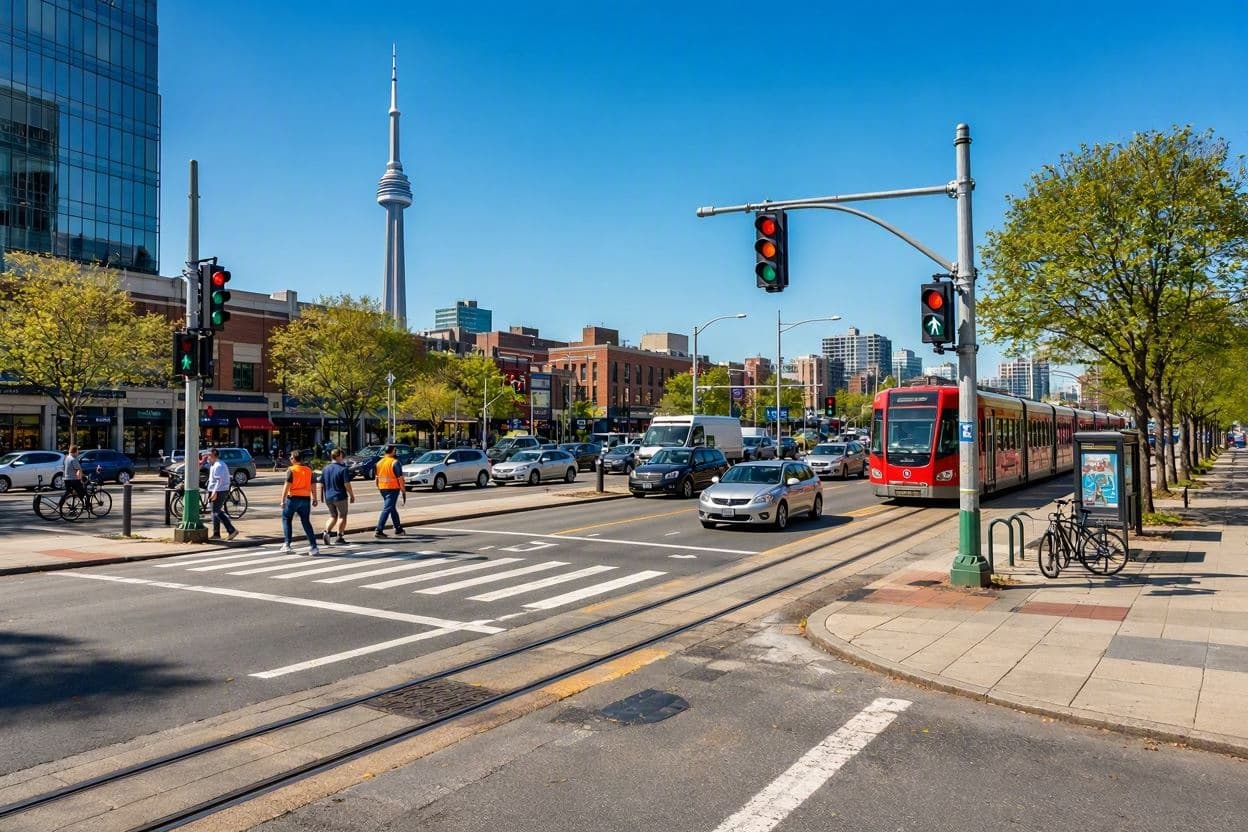
City streets are dynamic spaces where the flow of traffic intersects with the rhythm of daily life. In Toronto, a tragic collision has sparked a legal debate that goes beyond individual responsibility, touching on municipal policy and public safety infrastructure. The family of a teenager severely injured in a crash has filed a 16 million lawsuit, arguing that the removal of speed cameras contributed to the incident.
The lawsuit names the City of Toronto and other parties, alleging that the decision to dismantle the automated speed enforcement program created an environment where reckless driving went unchecked. The teen, who suffered life-altering injuries, was struck by a vehicle traveling at high speed. The family contends that had the cameras remained in place, the driver might have been deterred from speeding.
This case highlights the ongoing tension between traffic safety measures and civil liberties arguments. Proponents of speed cameras argue they are effective tools for reducing accidents and saving lives, particularly in school zones and residential areas. Critics, however, have raised concerns about privacy and the potential for revenue-driven enforcement, leading to political shifts in their implementation.
The removal of the cameras was part of a broader policy change by the previous city council, which cited legal and operational challenges. Since then, traffic safety advocates have called for their reinstatement, pointing to data that suggests a correlation between camera presence and reduced speeds. The current lawsuit brings these arguments into the courtroom, seeking accountability for the consequences of policy decisions.
For the family, the lawsuit is not just about compensation but also about preventing future tragedies. They hope that their case will prompt a reevaluation of how the city prioritizes pedestrian and cyclist safety. Their story is a poignant reminder of the human cost behind statistical debates and political maneuvers.
Legal experts note that proving causation in such cases can be complex. The court will need to determine whether the absence of cameras directly led to the crash or if other factors were more significant. Regardless of the outcome, the case is likely to influence future discussions on traffic enforcement strategies in urban centers.
Community response has been mixed, with some supporting the family’s quest for justice and others questioning the efficacy of lawsuits in changing behavior. Yet, the conversation has reignited interest in innovative safety solutions, such as improved street design and enhanced policing efforts. It is a moment for reflection on how cities can best protect their residents.
As the legal proceedings unfold, the focus remains on healing for the victim and their loved ones. The case serves as a catalyst for broader dialogue about shared responsibility on the roads. By listening to diverse perspectives, Toronto can move toward a safer and more inclusive transportation network.
AI Image Disclaimer: Images used in this article are AI-generated to illustrate the themes of urban traffic and legal discourse, avoiding any depiction of the actual accident or individuals involved.
Sources: Toronto Star, CBC News Toronto, CP24, Global News
Published by Banx Network. This article is part of the Banx decentralized media programme, powered by the BXE token on the XRP Ledger.