
Key Highlights
- New Appointment:Jessica L. Gleba appointed as Connecticut's crime lab director.
- Forensic Science Focus:Emphasis on scientific integrity and advanced technology.
- Interdisciplinary Collaboration:Strengthening ties with law enforcement and legal entities.
Connecticut has announced the appointment of Jessica L. Gleba as the new director of its state crime laboratory, a significant move aimed at enhancing forensic services in the state. Gleba, a veteran forensic scientist with extensive experience in laboratory management, is expected to lead the lab in maintaining high scientific standards while adapting to the evolving landscape of forensic technology.
The transition in leadership comes at a time when forensic laboratories are increasingly relied upon for critical analyses that can influence the outcomes of criminal investigations. These labs conduct a variety of tests, including DNA analysis, toxicology, and firearms examination, all of which require a high level of precision and adherence to established protocols. State officials have emphasized that Gleba's appointment reflects a commitment to strengthening these services and ensuring that they meet rigorous scientific standards.
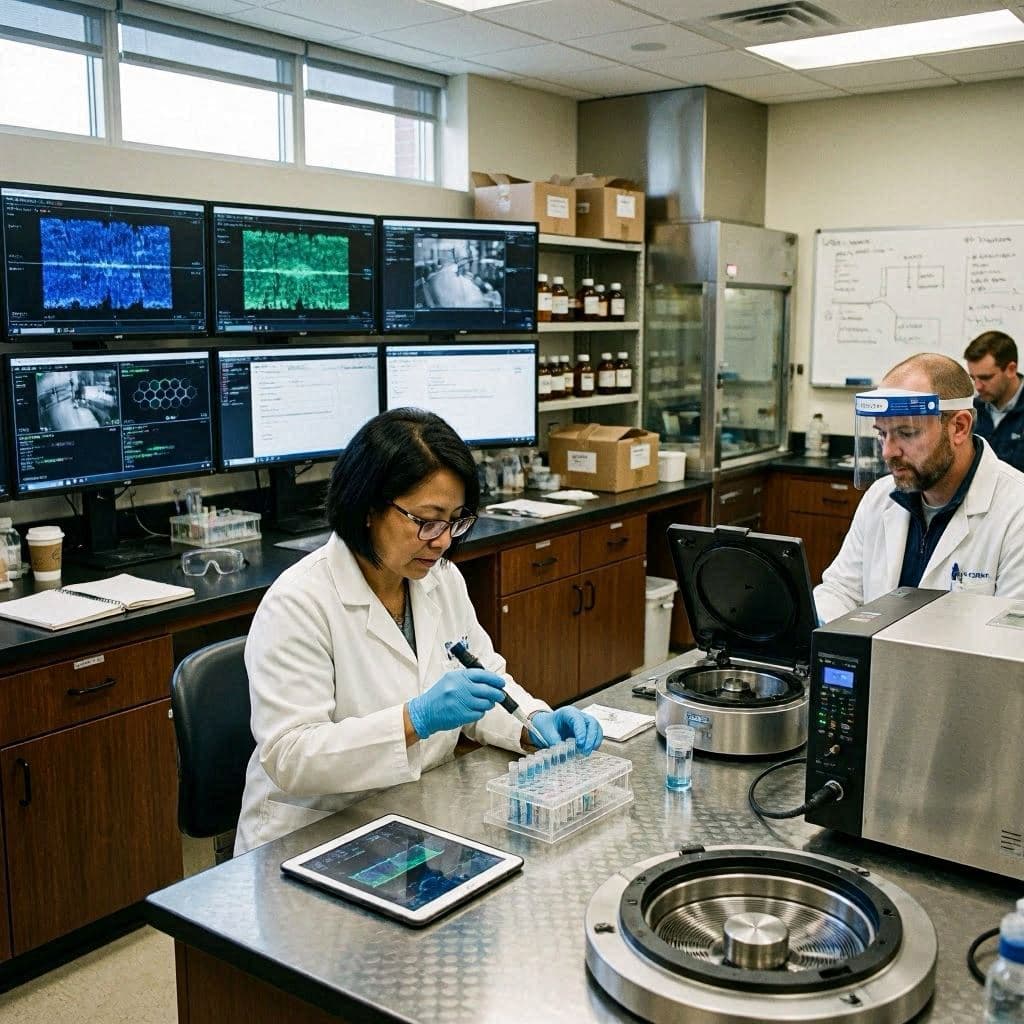
Modern forensic laboratories are now equipped with advanced technologies that enhance their capabilities. High-resolution imaging, automated DNA processing, and sophisticated digital evidence analysis are just a few examples of how technology is transforming the field. These innovations not only improve the efficiency of evidence processing but also contribute to more accurate results, which are crucial for the justice system.
Quality assurance and laboratory accreditation are central to the operations of forensic labs. The new director will oversee the implementation of scientific protocols, staff training, and compliance with international forensic standards. This oversight is essential for maintaining public trust in forensic science, which relies heavily on transparency and scientific independence.
Moreover, the role of forensic laboratories extends beyond mere analysis; they are integral to a collaborative network that includes police agencies, prosecutors, defense attorneys, and medical examiners. This interdisciplinary approach is vital for ensuring that investigations are thorough and that all evidence is considered in the pursuit of justice.
As Jessica Gleba steps into her new role, there is an expectation that she will prioritize scientific excellence and innovation. Her leadership is seen as a pivotal factor in enhancing the capabilities of Connecticut's crime laboratory, ultimately supporting the state's criminal justice system in its quest for fairness and accuracy.
The appointment of Gleba is not just a change in leadership; it represents a broader commitment to advancing forensic science in Connecticut. With her extensive background and focus on collaboration, the state is poised to strengthen its forensic capabilities, ensuring that justice is served effectively and efficiently.
Published by Banx Network. This article is part of the Banx decentralized media programme, powered by the BXE token on the XRP Ledger.



