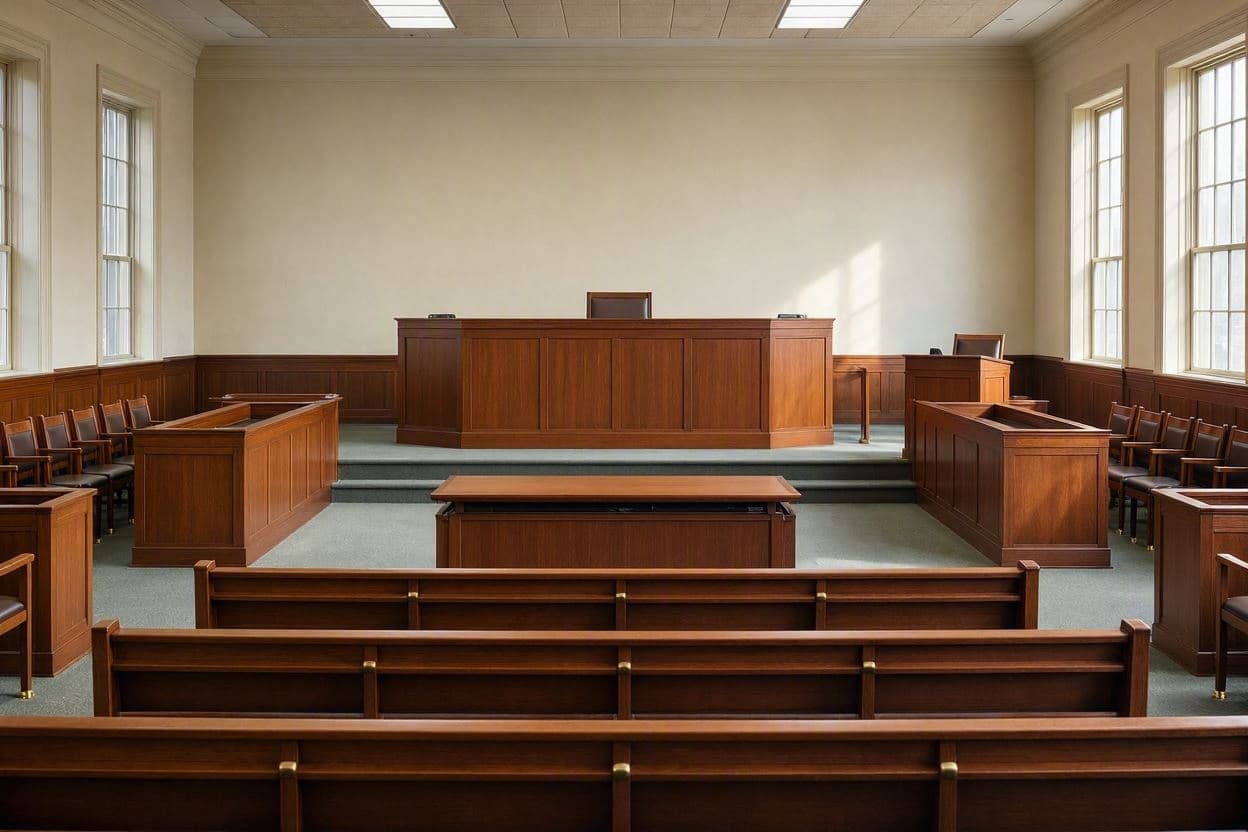
In the solemn atmosphere of a federal courtroom in Washington, D.C., the machinery of justice moves slowly and deliberately. Jury selection has resumed in the high-profile bribery trial of D.C. Councilmember Trayon White, a process that is critical to ensuring a fair and impartial hearing. The case, which alleges that White accepted thousands of dollars in cash bribes in exchange for political favors, has drawn significant attention from the local community and legal observers.
White, who represents Ward 8, has pleaded not guilty to the charges. Prosecutors argue that he accepted approximately $35,000 in cash from undercover FBI agents posing as developers seeking city contracts and zoning changes. The defense maintains that White did not engage in any corrupt agreements and that the interactions were part of normal constituent services. The outcome of the trial could have significant implications for local governance and public trust.
The jury selection process, known as voir dire, involves questioning potential jurors to identify any biases or conflicts of interest. Given the political nature of the defendant and the widespread media coverage, finding impartial jurors is a challenging task. Attorneys for both sides carefully scrutinize candidates’ views on politics, law enforcement, and corruption. The process is expected to continue for several days, delaying the start of the trial itself.
During recent sessions, judges and lawyers addressed concerns about pre-trial publicity. Many potential jurors had heard about the case through news reports, requiring careful evaluation of their ability to remain objective. The court has taken steps to ensure that only those who can judge the evidence fairly are selected. This meticulous approach underscores the importance of due process in high-stakes legal proceedings.
For the residents of Ward 8, the trial is a matter of local concern. White has been a prominent figure in the community, advocating for housing and economic development. His supporters view the charges as politically motivated, while critics see them as necessary accountability for public officials. The division in opinion reflects the complex relationship between elected leaders and their constituents.
Legal experts note that federal bribery cases are difficult to prove, requiring clear evidence of a quid pro quo arrangement. The prosecution must demonstrate that White explicitly agreed to perform official acts in exchange for money. The defense will likely argue that no such agreement existed and that the cash was either gifts or unrelated to official duties. The jury will ultimately decide which narrative is more credible.
As jury selection continues, the courtroom remains a place of tension and anticipation. The trial is scheduled to begin in January 2026, allowing time for both sides to prepare their arguments. Until then, the legal process unfolds with precision, respecting the rights of the accused and the integrity of the judicial system. In the end, justice depends on the careful consideration of facts by a panel of peers.
AI Image Disclaimer: The visual content in this article is AI-generated to depict the themes of legal proceedings and civic duty respectfully.
Sources: WJLA, WUSA9, Fox 5 DC, The Washington Post
Published by Banx Network. This article is part of the Banx decentralized media programme, powered by the BXE token on the XRP Ledger.