In the shadowed corridors of Iran’s judicial system, where dissent is often met with severe consequences, two more men have been executed for their alleged roles in the January protests. State media reported the hangings, marking another grim milestone in the government’s crackdown on unrest that shook the nation earlier this year. For human rights advocates and families of the accused, the news is a devastating blow, underscoring the high cost of speaking out in a regime that tolerates little opposition. It serves as a somber reminder of the fragility of civil liberties in authoritarian contexts.
The executions highlight the ongoing tension between state authority and public demand for change. They invite reflection on the global responsibility to protect human rights and the resilience of those who continue to seek justice.
The two men, identified by state outlets as having participated in violent acts during the January demonstrations, were convicted of charges including murder of security forces and sabotage. The trials were conducted swiftly, drawing criticism from international observers who cited lack of due process and fair legal representation. Human rights groups have condemned the proceedings as politically motivated and unjust.
January’s protests were sparked by economic grievances and social restrictions, quickly escalating into broader calls for political reform. The government’s response was forceful, involving mass arrests, internet blackouts, and lethal force against demonstrators. Dozens of people were killed, and thousands were detained, creating a climate of fear and silence that persists today.
The execution of these two individuals follows a series of similar cases, signaling the judiciary’s intent to deter future unrest. By making examples of those accused of leading or participating in violence, the state aims to reassert control and discourage dissent. However, critics argue that such measures only deepen resentment and alienate the population further.
International reaction has been muted but concerned. Several Western governments and human rights organizations have issued statements calling for an end to the death penalty and urging Iran to adhere to international legal standards. Diplomatic channels remain open, but tangible pressure has been limited by broader geopolitical considerations and energy interests.
Inside Iran, the mood is one of subdued grief and anger. Families of the executed men are often prevented from holding public memorials, adding to their suffering. Activists continue to share stories of the victims online, keeping their memories alive despite censorship risks. Digital resistance has become a vital tool for preserving truth.
The use of capital punishment in political cases remains a contentious issue globally. Iran is one of the leading executors worldwide, a fact that draws consistent scrutiny from the United Nations and NGOs. The January protest-related executions add to a growing list of cases that highlight systemic abuses.
For the international community, the challenge is how to respond effectively without exacerbating the situation for ordinary Iranians. Sanctions, diplomatic isolation, and public condemnation are tools, but their impact is debated. Supporting civil society and amplifying Iranian voices are seen as more sustainable approaches.
As the days pass, the names of the executed join a long list of martyrs in the narrative of Iran’s struggle for freedom. Their stories serve as a testament to the courage of those who dare to challenge authority, even at the ultimate cost.
The execution of two men over January protests in Iran highlights the severe repression of dissent. It invites continued international attention and support for human rights and justice in the region.
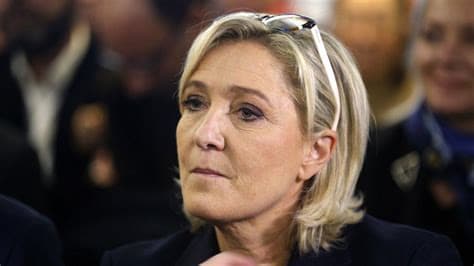
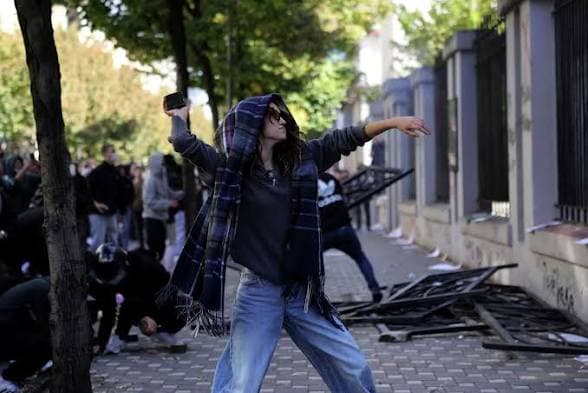
AI Image Disclaimer: The visuals in this article are AI-generated illustrations designed to reflect the solemnity of the issue and the call for human rights.
Sources: Reuters Amnesty International Human Rights Watch Al-Monitor
Published by Banx Network. This article is part of the Banx decentralized media programme, powered by the BXE token on the XRP Ledger.