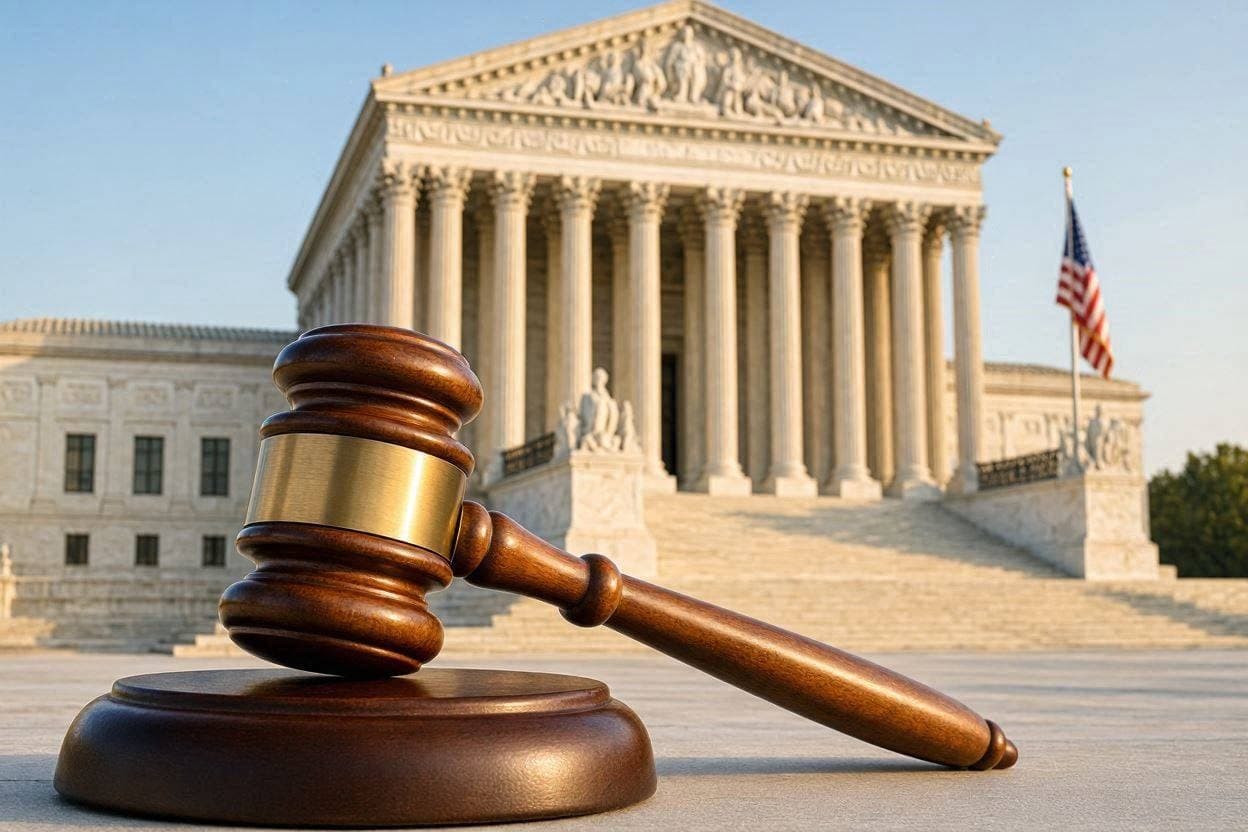
In the high stakes arena of international law, where justice often moves at the pace of diplomacy, a recent decision by the U.S. Supreme Court has sent a clear message. The court declined to halt a 656 million judgment against the Palestine Liberation Organization (PLO) and the Palestinian Authority, allowing the verdict to stand pending further appeals. This ruling, stemming from lawsuits filed by victims of terrorist attacks in Israel, underscores the complex interplay between legal accountability and geopolitical sensitivity. It is a moment that invites reflection on the reach of domestic courts into international conflicts and the enduring quest for redress by those affected by violence.
The judgment originates from cases brought under the Anti-Terrorism Act, which allows U.S. citizens to sue foreign entities for acts of terrorism. Plaintiffs, including Americans killed or wounded in attacks such as the 2002 Passover massacre, argued that the PLO and Palestinian Authority provided material support to perpetrators. After years of legal battles, a federal appeals court reinstated the massive award, rejecting arguments that the defendants were immune from suit.
The Supreme Court’s decision not to intervene at this stage leaves the judgment in place, though the legal fight is far from over. The PLO and Palestinian Authority have indicated they will continue to appeal, citing issues of jurisdiction and sovereign immunity. Their lawyers argue that holding them liable in U.S. courts sets a dangerous precedent and interferes with diplomatic relations. However, the lower courts have maintained that the nature of the alleged crimes overrides these protections.
For the victims and their families, the ruling is a significant victory. It validates their long struggle for justice and provides a potential pathway to compensation. While collecting the funds may prove challenging given the political complexities, the legal affirmation itself carries moral weight. It acknowledges their suffering and holds the accused parties accountable under the law.
The case has drawn attention from human rights organizations and legal experts worldwide. Some praise the decision as a bold step toward ending impunity for terrorism, while others warn of the potential diplomatic fallout. The tension between legal principles and international relations is palpable, highlighting the difficulties of adjudicating cross-border conflicts in national courts.
Financially, the impact on the Palestinian Authority could be severe if the judgment is enforced. Assets held in the U.S. or other jurisdictions could be targeted, complicating their economic stability. However, enforcement mechanisms are complex, and political considerations often influence the outcome. The situation remains fluid, with both sides preparing for the next phase of litigation.
Public reaction in the U.S. has been mixed, reflecting broader divisions on the Israeli-Palestinian conflict. Supporters of the plaintiffs view the judgment as a necessary correction, while critics see it as an obstacle to peace negotiations. The debate underscores the deep emotions and entrenched positions that characterize this longstanding issue.
As the legal proceedings continue, the Supreme Court’s refusal to halt the judgment marks a pivotal chapter in the quest for accountability. It reminds us that the law can be a powerful tool for justice, even in the most contentious of arenas. For the victims, it is a step toward closure; for the world, a reminder of the enduring consequences of violence.
AI Image Disclaimer: Please note that the images in this piece are AI-generated illustrations created to depict the themes of legal justice and international relations.
Sources: AP News, Bloomberg Law, The New York Sun, JNS.org
Published by Banx Network. This article is part of the Banx decentralized media programme, powered by the BXE token on the XRP Ledger.