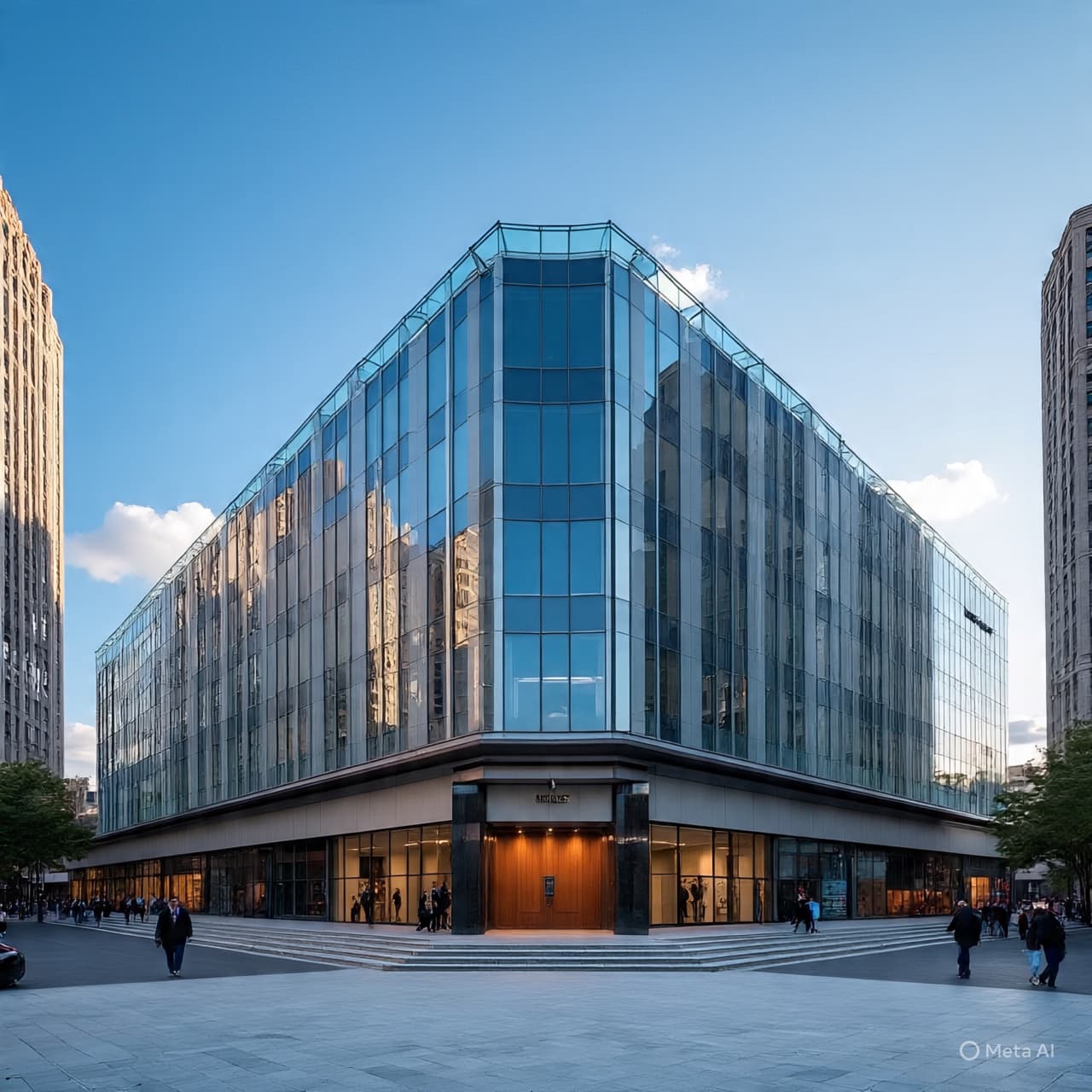
The thought of a president standing in a federal courtroom in Manhattan evokes images both solemn and extraordinary. In the city’s storied halls of justice, where history has watched cases of profound consequence unfold, the machinery of law turns deliberately, regardless of the status of those before it. For a president — sitting or former — the federal court system offers a structured, impartial process, designed to balance power with accountability.
In Manhattan, the Southern District of New York serves as a stage for high-profile cases, from corporate scandals to political prosecutions. A president facing trial would first undergo arraignment, formally informed of the charges and asked to enter a plea. Following that, discovery begins, a meticulous exchange of evidence between prosecution and defense, often involving mountains of documents, communications, and testimony. Even for someone as prominent as a head of state, the rules of evidence and procedure remain unchanged.
One of the most delicate stages is jury selection. In federal court, potential jurors are questioned extensively to identify biases, a process intensified when the defendant is a nationally or internationally known figure. Judges aim to assemble a panel capable of impartial judgment, aware that media attention and political sentiment might otherwise sway opinions.
Federal cases move under strict timelines, with the Speedy Trial Act guiding how quickly a case must proceed once charges are filed, unless legal motions or complexities justify delay. Trials themselves are open to the public, although cameras are generally prohibited, ensuring transparency while maintaining decorum. Throughout, the court emphasizes due process, ensuring that no individual — however powerful — is exempt from legal scrutiny.
If convicted, the process continues with sentencing, appeals, and potentially review by higher courts, including the U.S. Court of Appeals and the Supreme Court for constitutional questions. The aim is to ensure fairness while upholding the principle that the law applies equally to all. Manhattan’s federal court, like all U.S. courts, operates on the premise that justice is measured not by status but by adherence to the law.
AI Image Disclaimer Images in this article are AI-generated illustrations, meant for concept only.
Sources PBS News U.S. Courts: Federal Rules of Criminal Procedure Thurgood Marshall U.S. Courthouse Overview Associated Press coverage of high-profile Manhattan trials Northeastern University reporting on federal court procedures
Published by Banx Network. This article is part of the Banx decentralized media programme, powered by the BXE token on the XRP Ledger.