The night sky often appears timeless, filled with celestial bodies that seem unchanged across generations. Yet science reminds us that understanding is always evolving. Even the largest planet in our solar system can reveal new details when examined with greater precision, as recent findings from NASA's Juno mission have demonstrated.
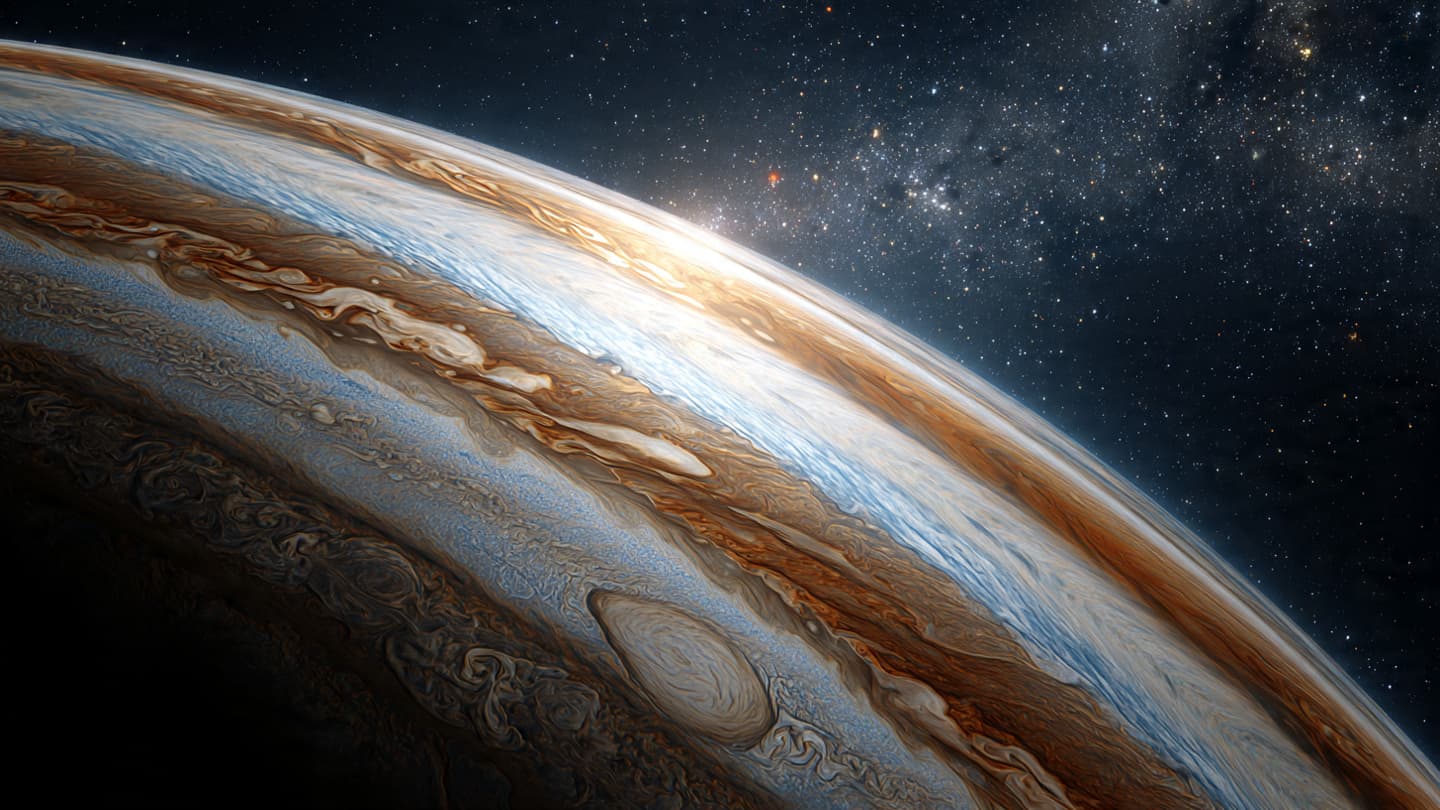
According to updated measurements, Jupiter may be slightly smaller than previous estimates suggested. The adjustment is modest, but for planetary scientists, even minor refinements can have meaningful implications for understanding a world's structure and formation.
Jupiter remains the largest planet orbiting the Sun, possessing a mass greater than all the other planets combined. Its immense atmosphere, powerful magnetic field, and complex internal composition have made it a primary focus of planetary research for decades.
The latest findings emerged from data collected by NASA's Juno spacecraft, which has been studying Jupiter since entering orbit around the planet in 2016. Equipped with advanced instruments, the spacecraft continues to provide unprecedented insights into the gas giant.
Precise measurements help scientists develop more accurate models of planetary interiors. By refining Jupiter's dimensions, researchers can improve calculations related to density, composition, and the distribution of material deep beneath the visible atmosphere.
Such work contributes to broader questions about how planets form and evolve. Jupiter is believed to have played a significant role in shaping the early solar system, influencing the orbits and development of neighboring worlds.
The findings also demonstrate how scientific understanding evolves through incremental improvements rather than dramatic revisions. Each new dataset allows researchers to refine existing knowledge and reduce uncertainty.
Planetary science increasingly relies on highly precise observations. Advances in spacecraft technology, data processing, and instrumentation have enabled measurements that were once impossible to achieve.
As Juno continues its mission, additional discoveries are expected to emerge. While Jupiter may be slightly smaller than previously thought, the planet's scientific importance remains as immense as ever, continuing to serve as a gateway to understanding the origins of our cosmic neighborhood.
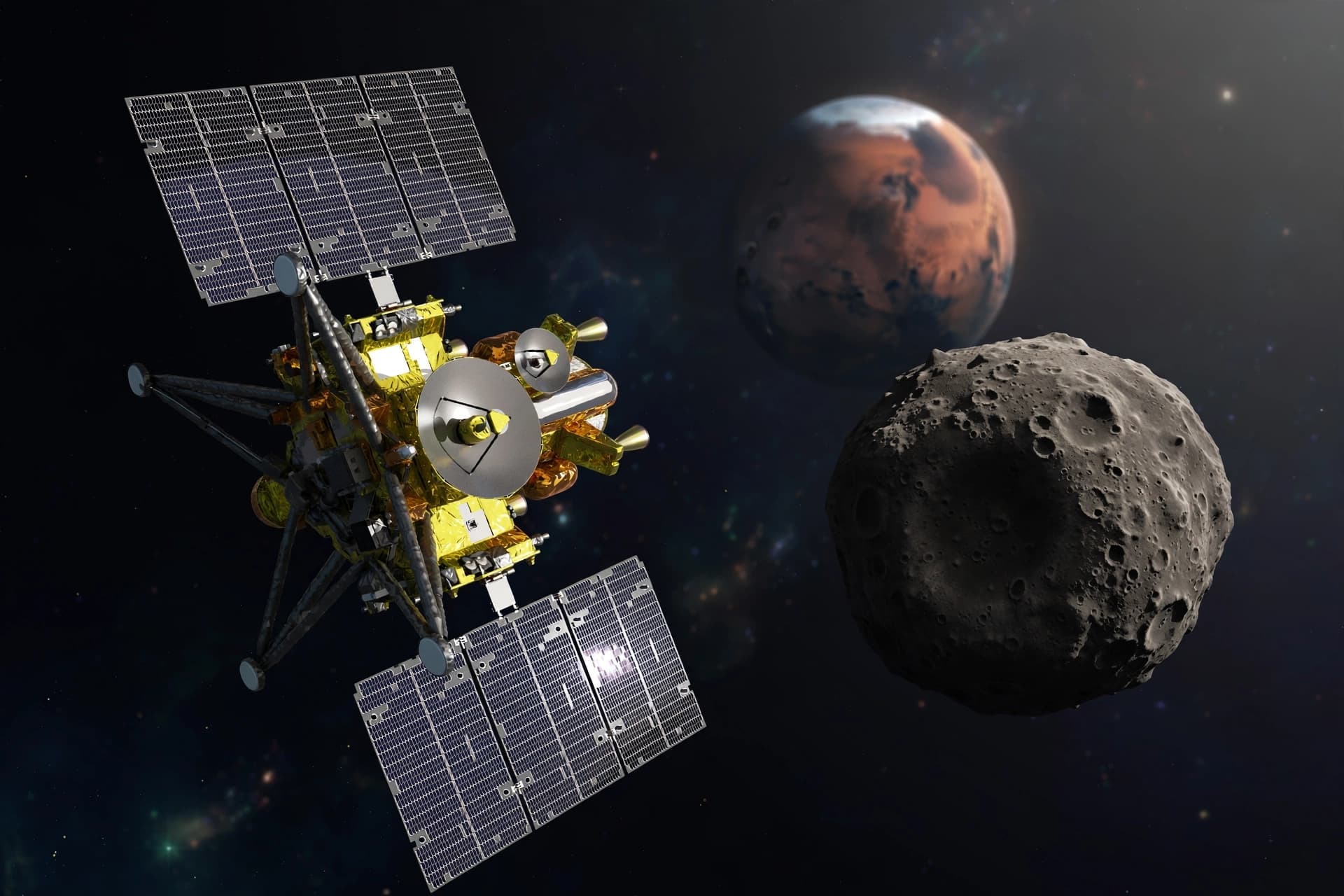
AI Image Disclaimer: The images accompanying this article are AI-generated visual representations inspired by astronomical research and do not depict actual spacecraft imagery.
Source Verification Check Verified sources:
Reuters NASA Jet Propulsion Laboratory (JPL) Space.com
Published by Banx Network. This article is part of the Banx decentralized media programme, powered by the BXE token on the XRP Ledger.