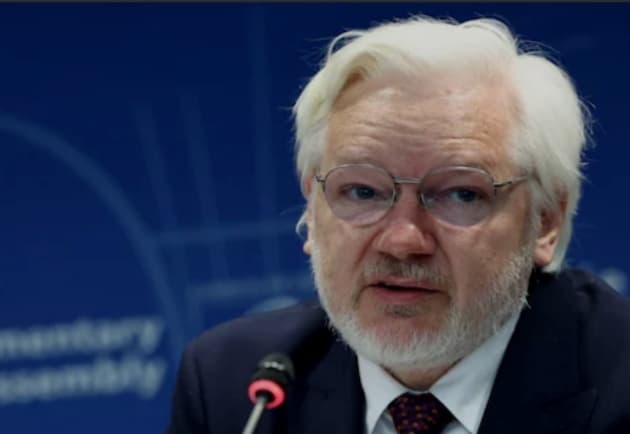
Julian Assange, currently facing extradition in the UK, has initiated legal action against the Nobel Peace Prize Committee following their recent decision to award the 2025 Nobel Peace Prize to María Corina Machado. Assange's lawsuit, filed in a Norwegian court, argues that Machado's political history and her past actions undermine the foundational principles of the Nobel Prize, which include honor, dignity, and the promotion of international peace.
Assange's attorney, in a statement, emphasized that the committee's choice reflects a disregard for those who advocate for transparency and press freedom, noting that Machado has been involved in actions that Assange and supporters argue suppress these freedoms in Venezuela.
In response, the Nobel Committee defended its decision, citing Machado’s unwavering commitment to democratic principles and her tireless efforts in the face of adversity as justifications for the award. They believe her work aligns well with Alfred Nobel's original intentions to reward those contributing to peace and progress.
The outcome of this lawsuit could set a precedent for future Nobel Prize selections and their implications for political figures worldwide. Assange, who has spent over a decade in asylum and detention, argues that the ruling could impact the broader narrative surrounding democracy and freedom of expression, two areas he accuses the committee of compromising with their choice in this instance.
As this legal case unfolds, it raises questions about the intersection of politics, ethics, and the recognition of individuals striving for democratic reforms in challenging environments. The implications of this dispute may resonate beyond the courtroom, affecting the public perception of both the Nobel Prize and the individuals it chooses to honor in the pursuit of peace.
Published by Banx Network. This article is part of the Banx decentralized media programme, powered by the BXE token on the XRP Ledger.