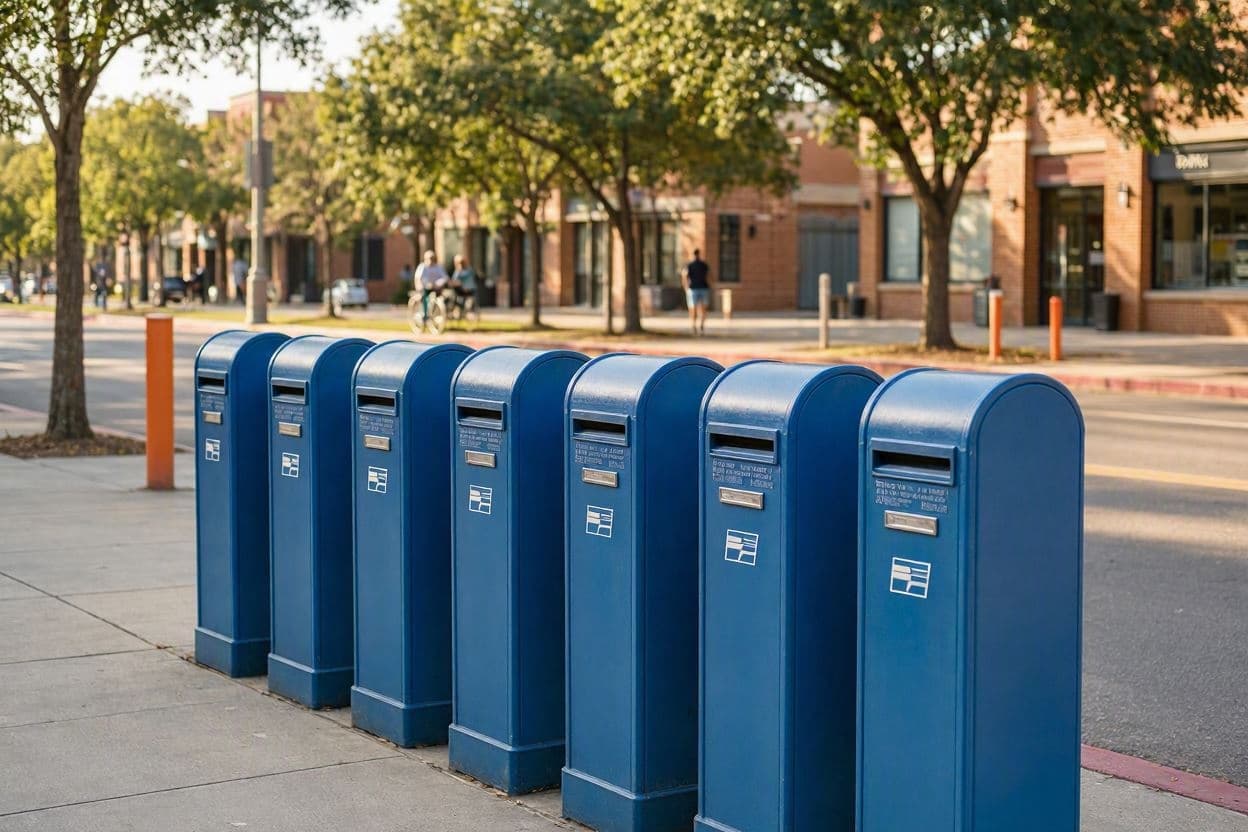
The mailbox stands as a quiet sentinel of democracy, a simple metal box that carries the voices of millions. In recent times, however, the reliability of this conduit has become a subject of intense legal and political debate. A federal judge is currently weighing whether to extend a temporary ban on certain changes implemented by the U.S. Postal Service (USPS) that could affect mail-in voting. This decision touches upon the fundamental right to vote and the logistical complexities of ensuring every ballot is counted accurately and timely.
The changes in question involve operational adjustments within the USPS, including modifications to transportation networks and processing schedules. Critics argue that these shifts, while aimed at improving efficiency and financial stability, may inadvertently delay the delivery of election mail. In close races, even a minor delay can have significant implications. Advocates for voting rights contend that any risk to the timely receipt of ballots undermines public confidence in the electoral process.
The USPS has maintained that the changes are necessary for the long-term health of the service, which has faced financial challenges for years. Officials assert that safeguards are in place to prioritize election mail and that there is no evidence of widespread delays. They point to successful elections conducted under similar conditions as proof of the system’s resilience. However, the potential for disruption remains a concern for many voters and election administrators.
The judge’s consideration involves balancing these competing interests. On one hand, the autonomy of the Postal Service to manage its operations; on the other, the constitutional imperative to protect voting rights. Legal precedents suggest that courts are wary of interfering with administrative decisions unless there is clear evidence of harm. The plaintiffs must demonstrate that the changes pose a substantial threat to the integrity of the election.
Public sentiment is deeply divided along partisan lines, with some viewing the lawsuit as a necessary protection of democracy and others seeing it as political maneuvering. Regardless of perspective, the underlying desire for a fair and accessible voting system is shared. The outcome of this case will influence how future operational changes are evaluated and implemented, potentially setting new standards for oversight.
Election officials across the country are watching closely, preparing contingency plans in case the ban is lifted or extended. Communication with voters about deadlines and best practices for mailing ballots becomes even more critical during periods of uncertainty. Ensuring that citizens have the information they need to participate effectively is a shared responsibility among government agencies and civic organizations.
As the deadline for the judge’s decision approaches, the stakes remain high. The integrity of the mail-in voting process is a cornerstone of modern American democracy, especially in an era where alternative methods of casting ballots are increasingly common. Protecting this pillar requires vigilance, cooperation, and a commitment to the rule of law.
A federal judge’s pending decision on extending the ban against USPS mail voting changes highlights the delicate balance between operational efficiency and the preservation of voting rights in the United States.
AI Image Disclaimer: Visuals associated with this article are computer-generated interpretations designed to complement the narrative, not actual photographic evidence.
Sources: The New York Times Politico Reuters Associated Press
Published by Banx Network. This article is part of the Banx decentralized media programme, powered by the BXE token on the XRP Ledger.