In the hallowed halls of Washington, where power and press have long danced a complex tango, a federal judge has cast a shadow of doubt over the White House’s recent exclusion of major news organizations. During an emergency hearing, Judge Timothy J. Kelly suggested that President Donald Trump’s ban on CNN, MS NOW, and Politico may not align with established legal precedents. This judicial skepticism marks a pivotal moment in the ongoing debate over press freedom and executive authority. It is a reminder that even in the highest offices, the rule of law remains the ultimate arbiter. Justice seeks balance.
The ban, which stripped credentials from journalists at these outlets, was justified by the administration as a measure to uphold standards of professionalism and national security. However, the plaintiffs argue that it constitutes a direct assault on the First Amendment, punishing critical reporting with exclusion. The courtroom atmosphere was tense, with both sides presenting vigorous arguments about the nature of access and privilege. Rights are not privileges.
Judge Kelly’s comments indicated that the administration’s actions might have bypassed necessary procedural safeguards. He noted that previous legal frameworks for managing press access were not strictly followed in this instance. This observation suggests that the ban could be vulnerable to legal challenge on procedural grounds. Process protects rights. Precedent guides judgment.
For the journalists affected, the ban represents more than a logistical hurdle; it is a symbolic silencing. Being barred from the White House limits their ability to report on the executive branch directly, potentially skewing public understanding. Access is essential for accountability. Transparency serves democracy.
The Department of Justice defended the president’s authority to manage his workspace and choose whom he interacts with. They argued that the White House is not a public forum and that the president has discretion over his guests. Yet, critics contend that the unique role of the presidency requires a higher standard of openness. Power demands scrutiny.
Public reaction has been mixed, with supporters of the president praising the move as a stand against biased media, while others view it as dangerous censorship. This division reflects broader societal tensions regarding trust in institutions and the role of the press. Dialogue is necessary for unity. Perspective shapes opinion.
As the judge considers his final ruling, the outcome will have implications far beyond these three organizations. It could set a precedent for how future administrations handle dissenting voices in the media. Legal decisions ripple through time. History watches closely.
In the end, the hearing underscores the enduring tension between executive power and press freedom. It invites reflection on the values that underpin a democratic society. As the legal process unfolds, the hope is for a resolution that respects both authority and liberty. Freedom is fragile.
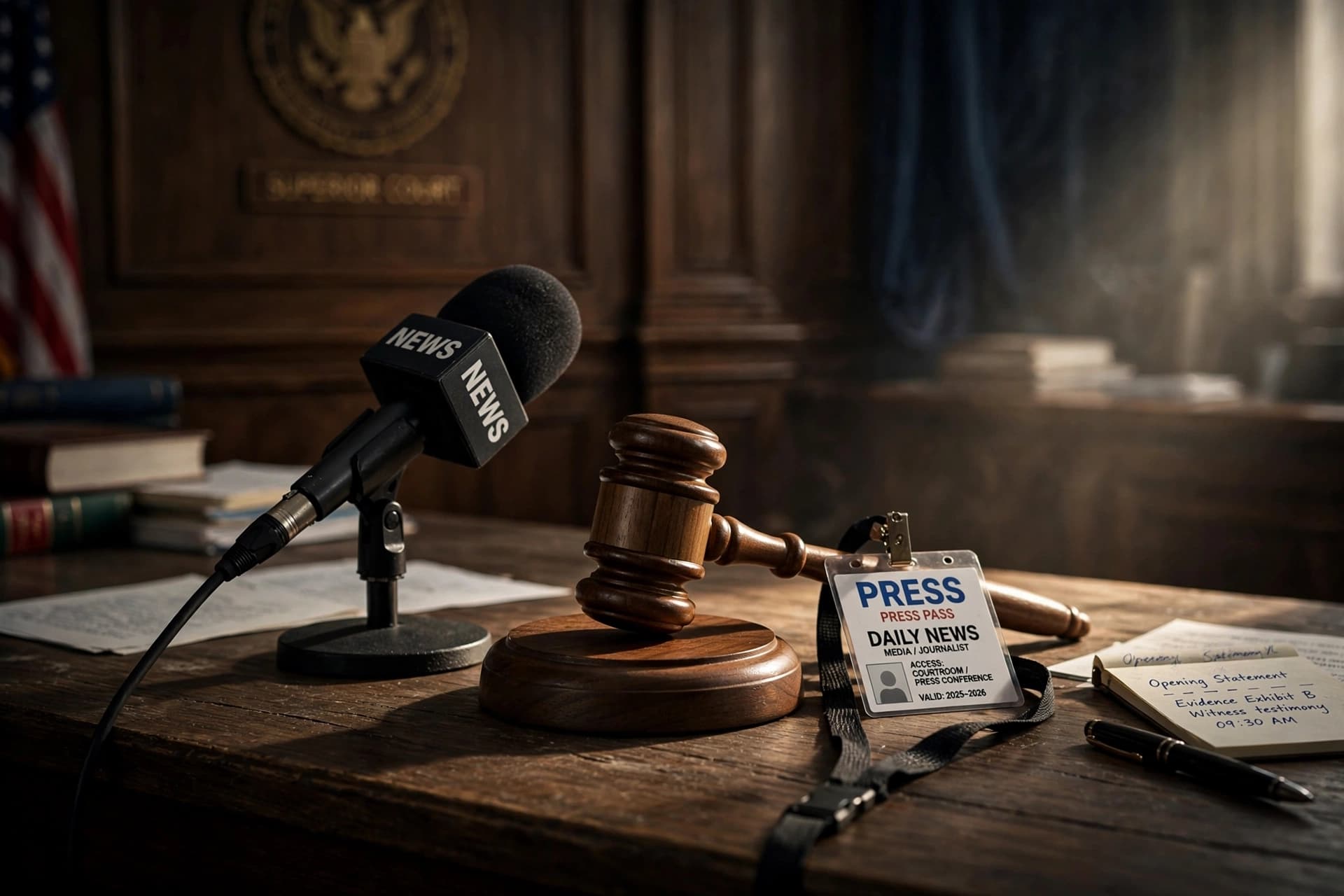
AI Image Disclaimer: The visual representations included here are AI-generated illustrations designed to depict legal proceedings and press themes, not actual photographs of Judge Timothy J. Kelly, President Trump, or the specific courtroom hearing.
Sources: Reuters Politico The New York Times
Published by Banx Network. This article is part of the Banx decentralized media programme, powered by the BXE token on the XRP Ledger.