The cryptocurrency market is buzzing with speculation as leaked reports suggest that JPMorgan, one of the world's largest financial institutions, may be positioning a significant portion of its portfolio into XRP. Meanwhile, December 5th has emerged as a critical date on traders' calendars, with the REAL token—built on the XRP Ledger—expected to debut on centralized exchanges. This convergence of institutional interest and blockchain innovation could mark a pivotal moment for XRP and its ecosystem.
The JPMorgan-XRP Connection: Separating Fact from Fiction
Recent social media posts have ignited intense discussion about JPMorgan's alleged XRP accumulation strategy. According to circulating reports, the banking giant may be allocating over 7.5% of its portfolio to XRP, though these claims remain unverified by official sources.
What we do know is that JPMorgan has consistently analyzed XRP's market potential. In early 2025, the bank forecasted that XRP exchange-traded funds could attract between $4.3 billion and $8.4 billion in inflows during their first year of operation. This projection places XRP alongside other major cryptocurrencies as a serious institutional investment vehicle.
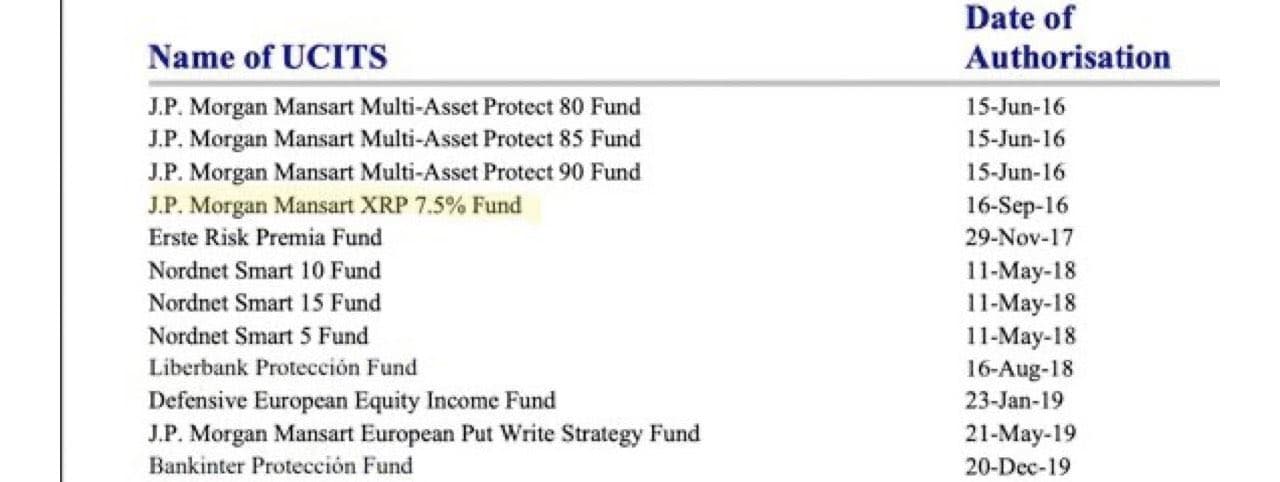
The speculation appears to stem partly from the existence of structured investment products like the "JP Morgan Mansart XRP 7.5% Fund," which aims to provide exposure to a diversified risk premium strategy rather than direct XRP holdings. This has created confusion in the market, with some interpreting fund names as evidence of massive XRP accumulation.
Blockchain analytics firm Pumpius has noted unusual patterns in institutional-grade wallet movements that align with traditional accumulation strategies seen in equities markets. However, without official confirmation from JPMorgan, these remain speculative observations rather than confirmed facts.
The REAL Token: Tokenizing the $650 Trillion Real Estate Market
While speculation swirls around institutional players, concrete developments are taking shape on the XRP Ledger. RealFI, a real estate tokenization platform, has been building infrastructure to bring fractional property ownership to blockchain technology.
The REAL token represents a bridge between traditional real estate investment and digital assets. By enabling investors to purchase fractional shares of properties using either REAL or XRP tokens, the platform aims to democratize access to the global real estate market—estimated at $650 trillion in total value.
The December 5th centralized exchange listing represents a significant milestone for the project. According to RealFI's development roadmap, this debut is expected to expand global access and increase daily trading volume, potentially bringing millions of new users into the XRP Ledger ecosystem.
RealFI's approach leverages the XRP Ledger's technical advantages: transaction speeds of 3-5 seconds, minimal transaction costs, and a proven track record of reliability with over 63 million validating ledgers. These characteristics make the network particularly suited for high-frequency, low-cost transactions required in fractional real estate trading.
The Broader Context: XRP's Institutional Evolution
The convergence of traditional finance interest and real-world asset tokenization reflects XRP's evolving position in the cryptocurrency landscape. Following Ripple's partial legal victory against the U.S. Securities and Exchange Commission, regulatory clarity has improved significantly.
This clarity has opened doors for institutional participation that were previously closed. Bloomberg analysts now assign a 95% probability to a U.S. spot XRP ETF approval in 2025, a dramatic shift from the regulatory uncertainty that characterized previous years.
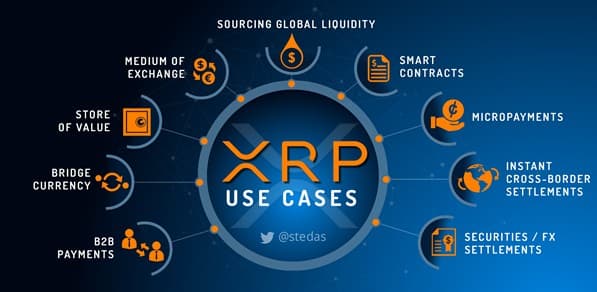
XRP's utility in cross-border payments and its compliance with international financial standards—including ISO 20022—have positioned it as more than just a speculative asset. Major financial institutions view it as a practical solution for real-world payment infrastructure challenges.
The cryptocurrency's price action in recent months reflects this growing institutional interest. Despite market volatility, XRP has demonstrated resilience, with analysts noting that trading patterns suggest significant accumulation by large holders.
December 5th: A Potential Catalyst?
The REAL token's centralized exchange debut on December 5th could serve as a test case for the broader thesis that real-world asset tokenization will drive the next wave of blockchain adoption.
If successful, the listing could demonstrate several key points:
First, that the XRP Ledger can serve as infrastructure for sophisticated financial products beyond simple token transfers. Second, that institutional and retail investors have genuine appetite for tokenized real estate products. Third, that the ecosystem surrounding XRP can support innovative projects that extend beyond Ripple's core payment solutions.
The timing is notable. As traditional financial markets grapple with questions about cryptocurrency's role in institutional portfolios, concrete use cases like real estate tokenization provide tangible value propositions that extend beyond speculative trading.
Caution and Context
Despite the excitement, investors should approach these developments with measured expectations. The claims about JPMorgan's portfolio allocation remain unconfirmed and should be treated as speculative until verified by credible sources.
Historically, the cryptocurrency market has seen numerous instances where social media speculation outpaced reality. The "7.5%" figure, while widely circulated, lacks official confirmation and may represent misinterpretation of fund naming conventions rather than actual portfolio allocation.
Similarly, while the REAL token's exchange listing represents progress, the platform must still demonstrate its ability to navigate complex regulatory requirements for tokenized securities, attract meaningful liquidity, and deliver on its ambitious vision of democratizing real estate investment.
Looking Forward
Regardless of whether specific rumors prove accurate, the underlying trends are undeniable. Institutional interest in XRP is growing, driven by improving regulatory clarity, proven utility in cross-border payments, and strong technical infrastructure.
The emergence of projects like RealFI demonstrates that the XRP Ledger is evolving into a platform for diverse financial applications, not just a network for a single cryptocurrency.
As December 5th approaches, market participants will be watching closely. Whether this date becomes a watershed moment or simply another step in XRP's gradual institutional adoption remains to be seen. What is clear is that the convergence of traditional finance interest and blockchain innovation is accelerating—and XRP sits at the center of this transformation.
For investors, the key takeaway is to focus on verifiable developments rather than speculation. Track actual exchange listings, confirmed institutional products like ETFs, and regulatory decisions rather than unverified reports. In the rapidly evolving cryptocurrency landscape, facts matter more than rumors—but the facts themselves suggest that significant changes are underway.
Published by Banx Network. This article is part of the Banx decentralized media programme, powered by the BXE token on the XRP Ledger.