In the vibrant, pulsating heart of South Africa’s economic hub, a shadow has lengthened across the streets of Johannesburg. Known for its resilience and dynamic energy, the city is currently grappling with a surge in violent crime that has left communities on edge. The recent wave of murders, while part of a broader national trend, has struck with particular intensity in Gauteng, spreading a palpable sense of fear among residents who once navigated their neighborhoods with relative ease. This unsettling reality serves as a stark reminder of the complex social challenges that persist despite economic progress.
The statistics are sobering. Recent data indicates that South Africa recorded nearly 60 murders every day in the first quarter of 2026, with Gauteng province remaining a significant hotspot for violent incidents. In Johannesburg, these numbers translate into personal tragedies that ripple through families and neighborhoods. Each victim represents a life cut short, leaving behind a void that no statistic can fully capture. The randomness of some of these attacks has heightened anxiety, making even routine activities feel fraught with risk.
Community leaders and local authorities have responded with increased patrols and community policing initiatives, aiming to restore a sense of security. However, the root causes of this violence are deep-seated, involving issues such as inequality, unemployment, and the legacy of apartheid-era spatial planning. Addressing these structural problems requires more than just law enforcement; it demands a holistic approach that includes social investment, education, and economic opportunity for marginalized groups.
The psychological impact on the city’s residents is profound. Many people report altering their daily routines, avoiding certain areas after dark, and investing in private security measures. This self-imposed isolation can erode the social fabric of communities, reducing the informal networks of support that are crucial for urban resilience. Fear, when unchecked, can become a barrier to the very connectivity that makes cities like Johannesburg thrive.
Media coverage of the murders has amplified public concern, bringing national attention to the crisis. While this scrutiny can pressure authorities to act, it can also contribute to a narrative of despair. It is important to balance the reporting of these tragic events with stories of community solidarity and successful intervention programs. Highlighting positive efforts can provide hope and encourage collective action, rather than fostering paralysis.
International observers often view South Africa’s crime rates through a lens of sensationalism, but the local reality is nuanced. Many neighborhoods remain safe and vibrant, supported by strong community bonds and active civic engagement. Recognizing this diversity is essential for understanding the true character of Johannesburg. It is a city of contrasts, where danger and beauty often coexist in close proximity.
Efforts to combat the violence are ongoing, with various non-governmental organizations working on the ground to mediate conflicts and support victims. These grassroots initiatives play a critical role in bridging the gap between formal policing and community needs. Their work underscores the importance of local knowledge and trust in addressing violence effectively.
As Johannesburg navigates this difficult period, the resilience of its people remains its greatest asset. The city has faced challenges before and has emerged stronger through collective effort. Addressing the current wave of violence will require patience, persistence, and a unwavering commitment to justice and social equity.
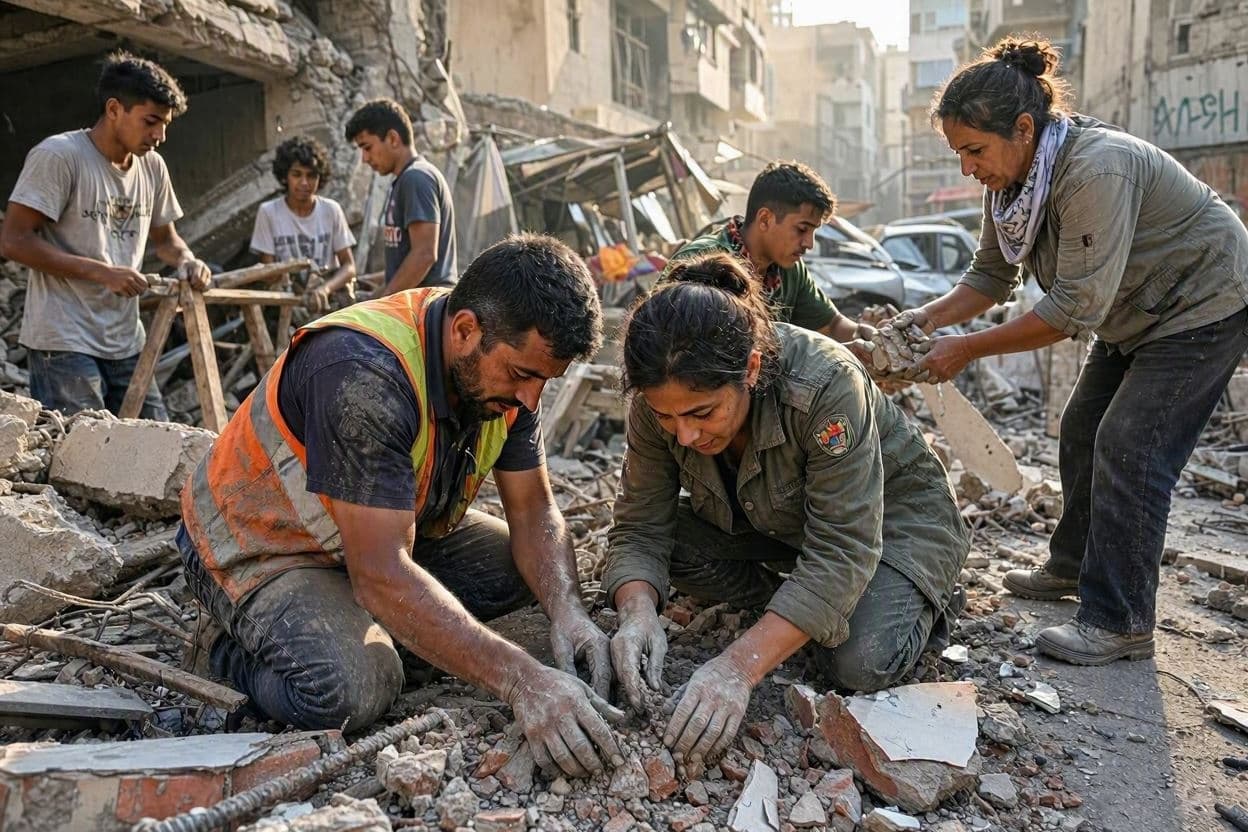
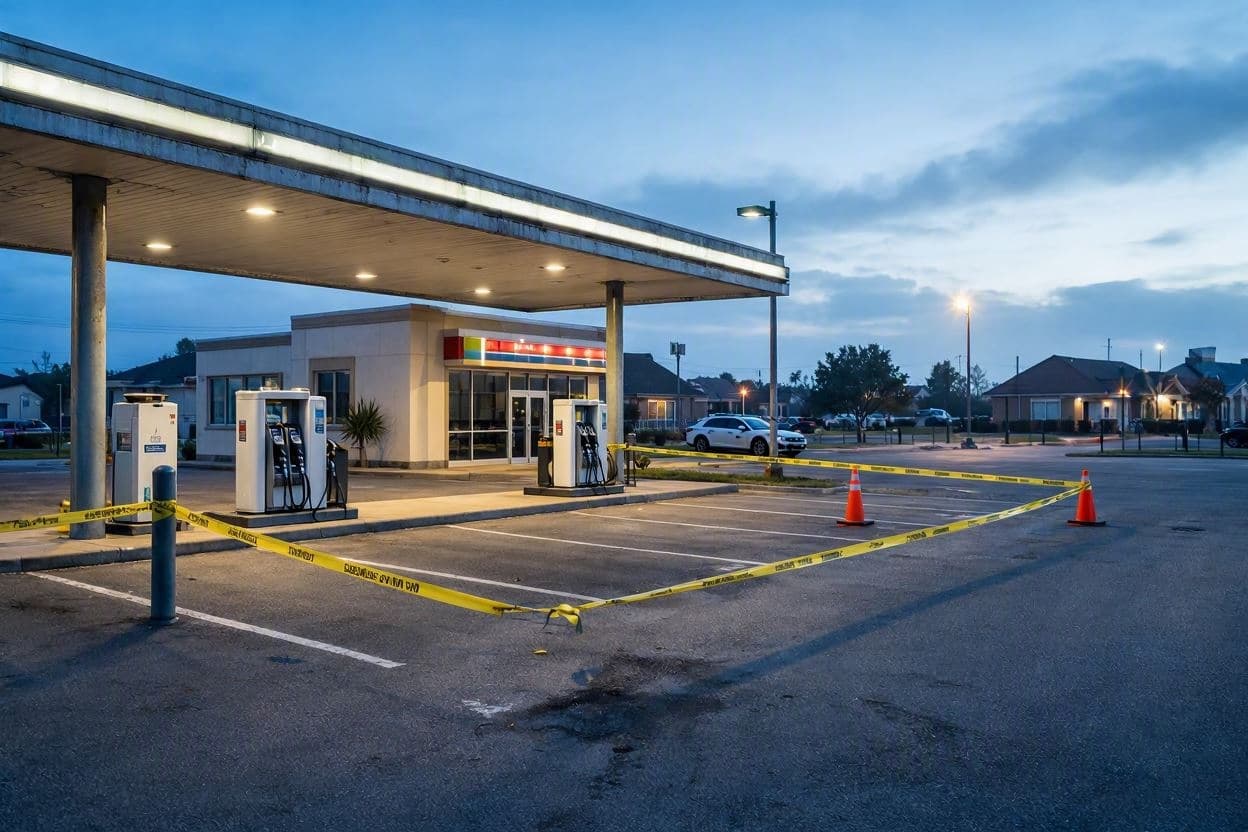
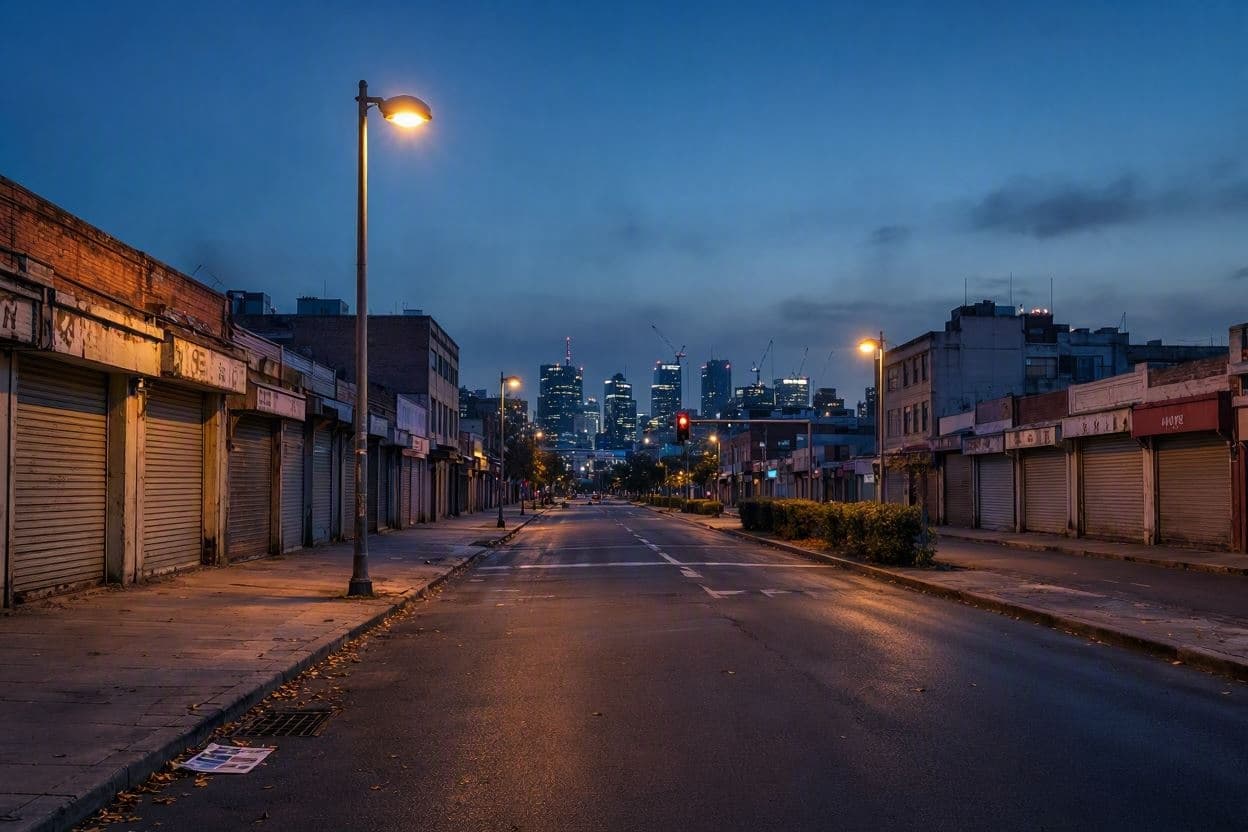
AI Image Disclaimer: The visual representations included here are AI-generated illustrations designed to evoke the atmosphere of the city and are not actual photographs of crime scenes or specific locations.
Sources: Financial Times BusinessTech ISS Africa
Published by Banx Network. This article is part of the Banx decentralized media programme, powered by the BXE token on the XRP Ledger.