

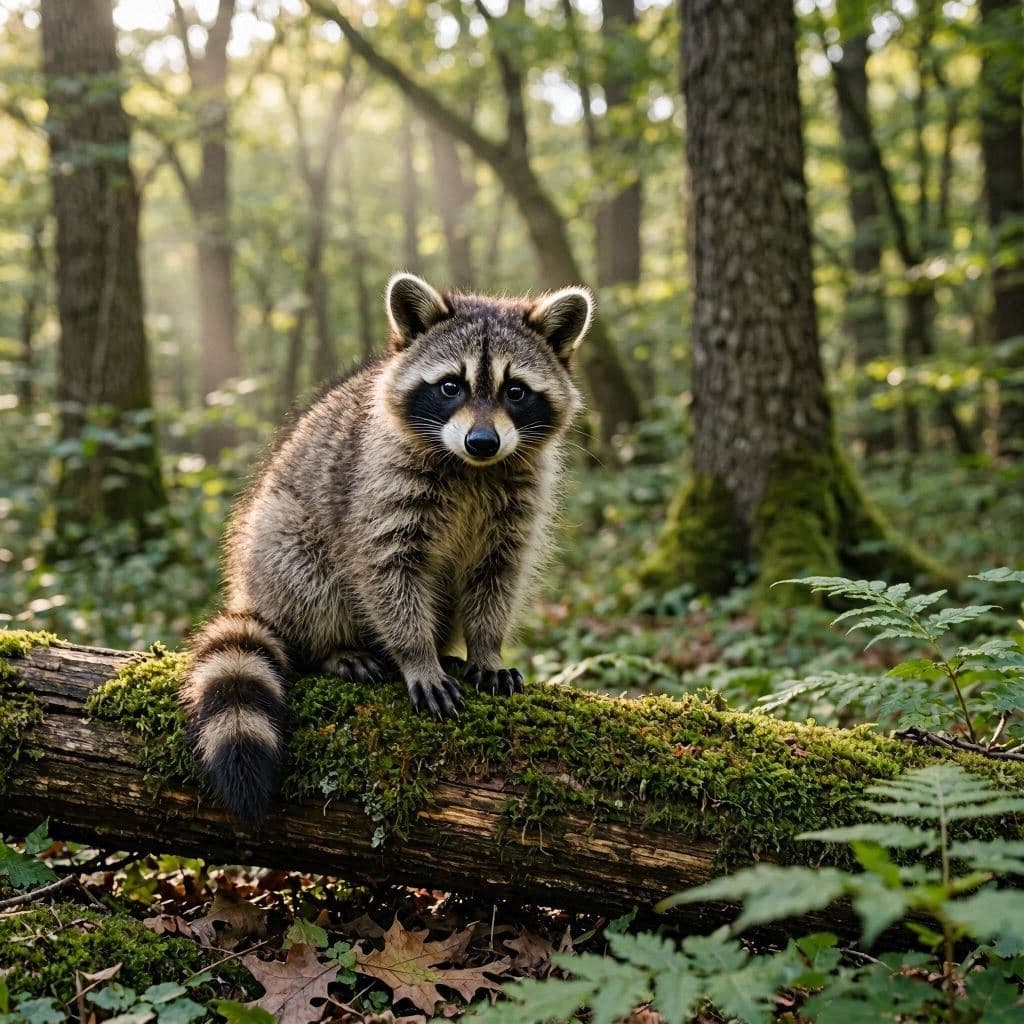
Key Highlights
- Jimothy the raccoon was found alone and vulnerable after separation from his mother.
- Wildlife rehabilitators played a crucial role in his recovery and adaptation.
- The story emphasizes the importance of maternal bonds in animal survival.
Jimothy, a young raccoon whose journey has captivated many online, embodies resilience in the face of adversity. Found alone after being separated from his mother, Jimothy's story is not just a viral sensation; it highlights the intricate bond between mother and offspring in the animal kingdom. His survival against significant odds serves as a reminder of the tenacity of wildlife and the critical role of maternal care in their development.
Raccoons, known for their intelligence and adaptability, face numerous challenges when separated from their mothers. Jimothy's initial struggles to forage and navigate his environment underscore the fragility of young wildlife. Without maternal guidance, young raccoons lack essential survival skills, making their early life particularly precarious. Wildlife experts stress that mother raccoons teach their kits vital skills, such as identifying safe foods and finding shelter, through observation and practice. Jimothy's story illustrates the loss experienced when this bond is disrupted.
Fortunately, wildlife rehabilitators intervened to provide Jimothy with the care he desperately needed. They created a nurturing environment that mimicked the maternal care he would have received. This process involved not only feeding but also engaging Jimothy in activities that stimulated his natural curiosity and physical development. By incorporating puzzles and enrichment exercises, caregivers helped enhance his cognitive abilities, preparing him for a potential return to the wild. Their dedication reflects a broader commitment to wildlife conservation and the importance of empathy in rehabilitation efforts.
Raccoons are often misunderstood as mere pests, yet they are highly intelligent mammals with complex social structures. Research has shown that raccoons possess remarkable memory and problem-solving skills, often rivaling those of some primates. Jimothy's adaptability during rehabilitation showcases the sophisticated cognitive abilities of his species, emphasizing their capacity to thrive in diverse environments, including urban settings.
The narrative of Jimothy also sheds light on the importance of coexistence between humans and wildlife. As urban areas expand, encounters with animals like raccoons are becoming more common. Understanding their needs and behaviors can help mitigate conflicts and promote harmony. Simple actions, such as securing trash cans and refraining from feeding wild animals, can significantly improve their chances of survival in human-dominated landscapes.
For those who have followed Jimothy's progress, each milestone he achieved—from climbing trees to solving food puzzles—was a testament to his resilience. His journey serves as a reminder that every creature, regardless of size or commonality, plays a unique role in the ecosystem and deserves respect and protection.
As Jimothy continues to grow stronger, his story remains a powerful symbol of resilience and the enduring bond of maternal care. Whether he ultimately returns to the wild or finds a permanent sanctuary, his journey highlights the beauty and complexity of the natural world. In his survival, we find a compelling reason to cherish and protect the wild neighbors that share our spaces.
Published by Banx Network. This article is part of the Banx decentralized media programme, powered by the BXE token on the XRP Ledger.




