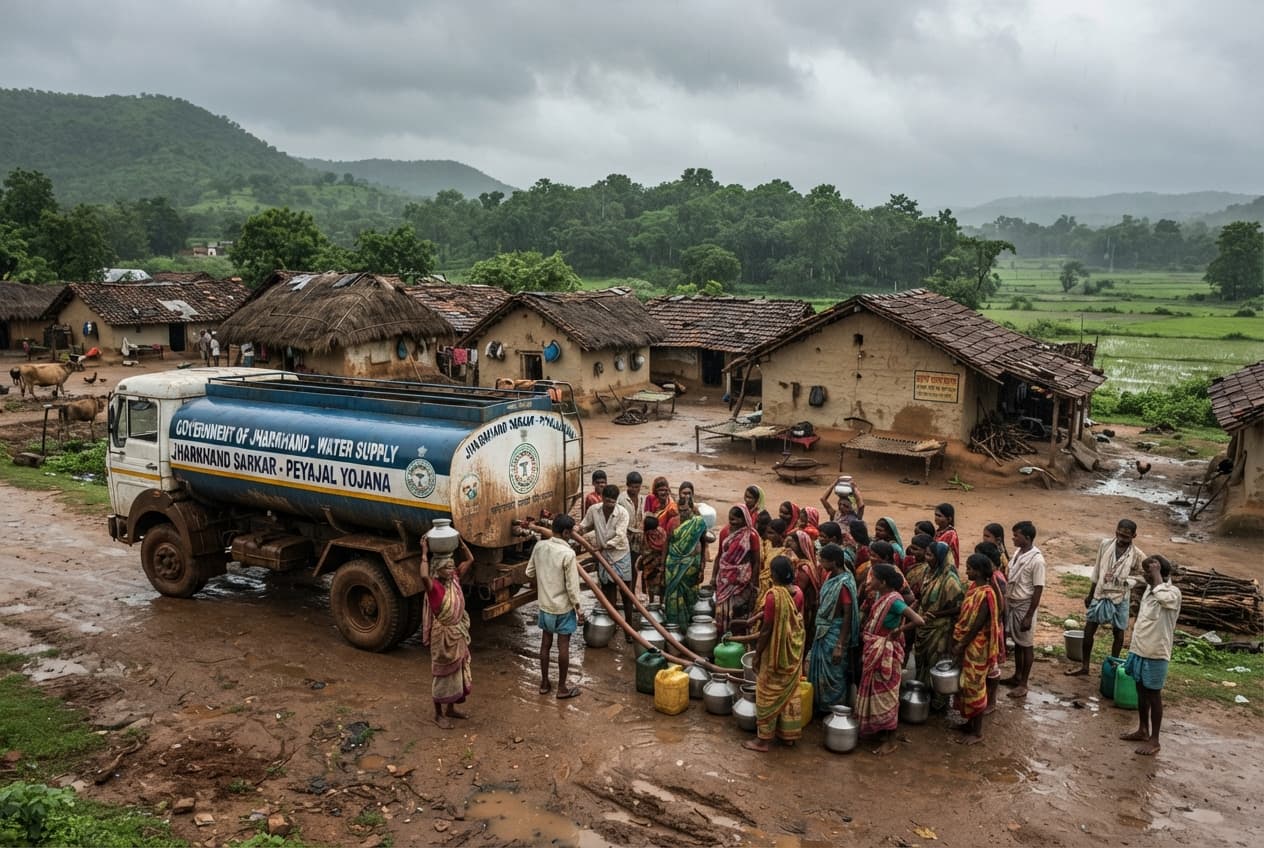
Ranchi, India—Two young children died within twenty-four hours after consuming contaminated water from a compromised village well in a remote forested district of Jharkhand. Local health officials confirmed Tuesday that a sudden outbreak of severe acute gastroenteritis swept through the settlement on Monday night. The victims, aged four and six, suffered from acute dehydration and vomiting before local medical teams could reach the isolated community. District hospitals admitted thirty-two additional villagers presenting with identical symptoms of acute waterborne infection.
Mobile medical units deployed by the state health department set up temporary triage camps inside the village primary school building early Tuesday morning. Doctors administered intravenous rehydration fluids and broad-spectrum antibiotics to stabilize patients suffering from severe fluid loss. Public health inspectors collected water samples from the primary community tube well and nearby surface ponds for urgent laboratory analysis in Ranchi. Preliminary field testing indicated high levels of coliform bacteria and agricultural runoff seepage in the local drinking supply.
Villagers stated that the primary tube well had been emitting a foul odor and discoloration for over a week prior to the outbreak. Local panchayat leaders claimed they repeatedly submitted written complaints to district engineering departments regarding broken drainage systems near the water source. District administration officials rushed water tankers to the village while sealing off the contaminated underground well with concrete blocks. Community members voiced deep frustration over the chronic neglect of rural water sanitation infrastructure across the tribal belt.
State health ministers announced an immediate inquiry into the delayed response by local block development officers and sanitation inspectors. Medical superintendents at the district hospital reported that five critical patients, including three toddlers, were transferred to regional intensive care facilities. Anganwadi workers went door-to-door distributing chlorine tablets and oral rehydration packets to surviving families in the affected zone. Sanitation crews initiated a comprehensive chlorination drive across all functioning water points within a five-kilometer radius.
Families of the deceased children performed traditional last rites as local authorities promised financial compensation to the grieving households. Public health experts warned that monsoon runoff frequently compromises shallow groundwater sources in remote rural districts lacking modern filtration plants. Opposition political leaders demanded the immediate suspension of negligent district water board engineers pending the formal inquiry report. Medical teams will remain stationed in the village throughout the week to monitor secondary infection rates among vulnerable residents.
Published by Banx Network. This article is part of the Banx decentralized media programme, powered by the BXE token on the XRP Ledger.