Cities with long and layered histories often carry political tensions within their streets, neighborhoods, and daily routines. In Jerusalem, where identity, faith, and sovereignty intersect deeply, administrative decisions can quickly resonate far beyond municipal boundaries. Recent reports involving East Jerusalem have once again drawn international attention to the fragile balance within the city.
Israeli Finance Minister Bezalel Smotrich reportedly ordered measures related to the expulsion of Palestinian residents in parts of East Jerusalem. The reports have intensified international concern regarding housing rights, territorial disputes, and the broader Israeli-Palestinian conflict.
According to regional media and rights organizations, the move is linked to long-standing disputes involving property ownership, residency status, and Israeli settlement policy in contested areas of East Jerusalem. Palestinian families facing displacement have repeatedly challenged such actions through legal and international channels.
Israeli officials supporting stricter policies in East Jerusalem often frame their position within broader national security and sovereignty arguments. Critics, however, argue that displacement measures risk worsening humanitarian conditions and deepening political tensions.
East Jerusalem remains one of the most sensitive issues within the Israeli-Palestinian conflict. Palestinians view the area as the future capital of a potential independent state, while Israel considers Jerusalem its unified capital, a position not universally recognized internationally.
International organizations and several foreign governments have consistently expressed concern regarding settlement expansion and forced displacement in contested territories. Human rights groups continue urging greater protections for civilians affected by eviction and relocation disputes.
Observers note that policies affecting residency and land rights in East Jerusalem frequently carry wider diplomatic implications because of the city’s symbolic, religious, and geopolitical importance. Even localized administrative actions can influence broader regional stability.
At the same time, diplomatic efforts aimed at reviving long-stalled peace negotiations remain limited amid continuing violence and political polarization across the region. Humanitarian concerns continue growing as uncertainty persists for affected communities.
The latest developments in East Jerusalem reflect the enduring complexity of one of the world’s most deeply rooted geopolitical disputes.
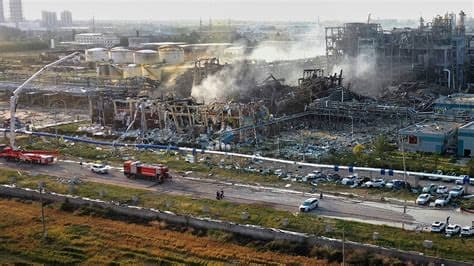
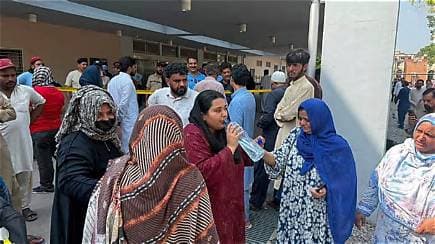
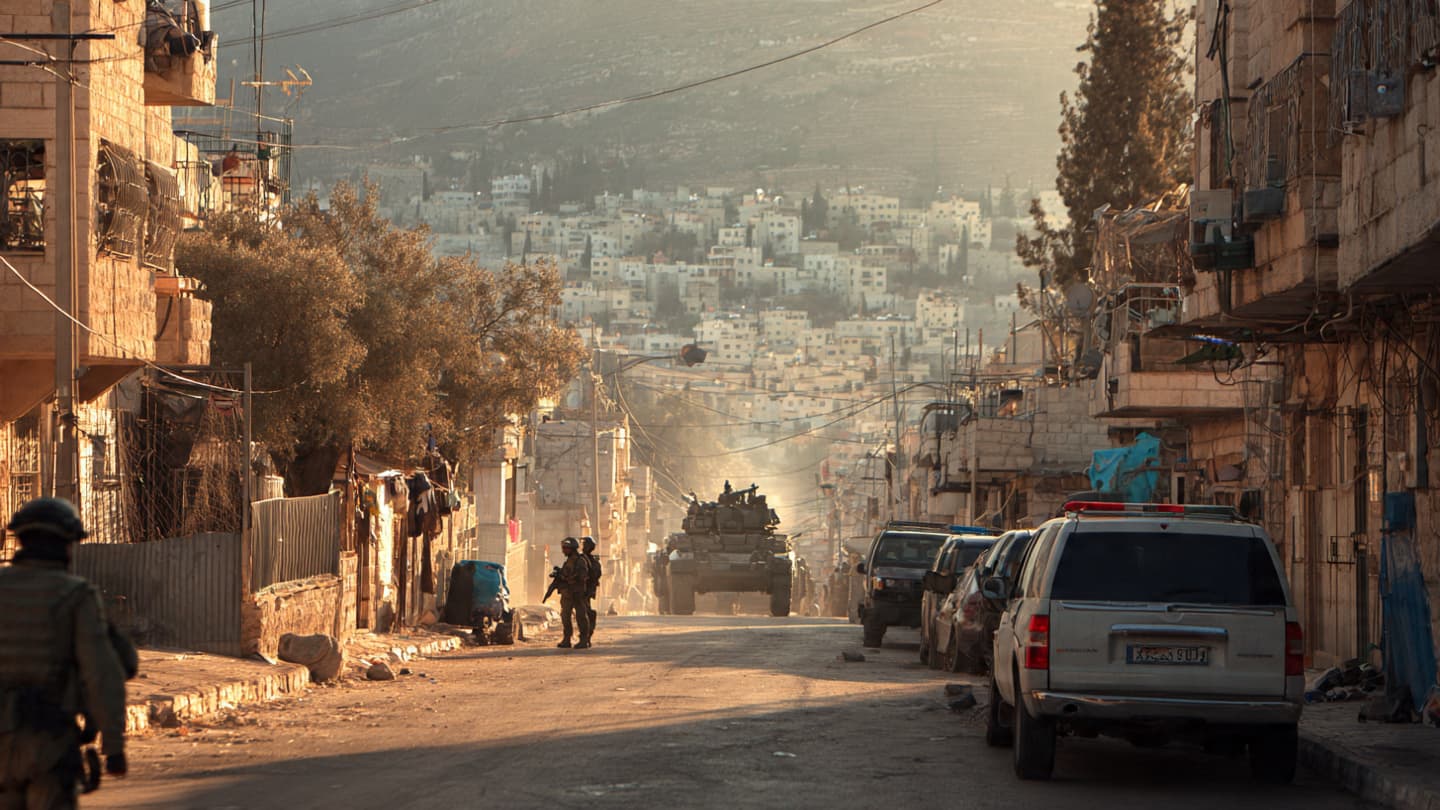
The images accompanying this article are AI-generated illustrations created to support reporting on international affairs and humanitarian issues.
Sources: Reuters, Al Jazeera, Associated Press, Middle East Eye
Published by Banx Network. This article is part of the Banx decentralized media programme, powered by the BXE token on the XRP Ledger.