
Key Highlights
- Naval vessels from Japan, France, and Oman are navigating the Strait of Hormuz.
- The Strait is a critical chokepoint for global oil transport, with 20% of oil supply passing through.
- The joint operations aim to enhance maritime security amid rising regional tensions.
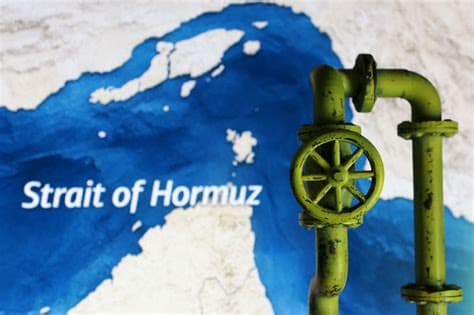
In recent developments, naval vessels from Japan, France, and Oman have been actively navigating the Strait of Hormuz, a vital maritime route that plays a crucial role in global oil transport. Approximately 20% of the world's oil supply passes through this narrow waterway, making it a focal point for international maritime security. The presence of these vessels reflects heightened vigilance and cooperation among nations in response to escalating regional tensions.
The involvement of Japanese and French naval forces underscores the international community's growing concerns regarding maritime security in the region. Japan has been increasingly engaged in regional security initiatives, marking a shift in its defense posture. Meanwhile, France has a long-standing strategic interest in ensuring safe passage through international waters, particularly in the context of its historical ties to the Gulf region.
Oman, which shares borders with both Iran and the United Arab Emirates, plays a pivotal role as a mediator in the region. The Omani navy's participation in these operations emphasizes the nation's commitment to maintaining stability and securing maritime routes that are vital for trade. Oman’s strategic position allows it to facilitate dialogue and cooperation among regional players, which is essential in times of heightened tensions.
Recent maritime encounters, including close approaches and confrontations involving various military forces, have raised alarms over potential disruptions to shipping activities in the Strait of Hormuz. The joint naval operations involving Japan, France, and Oman aim to enhance collaborative security measures and reassure commercial shipping lines of the commitment to safe navigation. These operations are not only a show of force but also a demonstration of solidarity among nations concerned about the safety of maritime trade.
As geopolitical stakes remain high in the Gulf region, the crossing of these vessels through the Strait of Hormuz serves as a reminder of the enduring importance of international cooperation in maritime security. The coming weeks will be crucial in determining how these tensions will unfold and whether enhanced maritime patrols will be required to ensure the safety of this critical route. The international community will be closely monitoring developments in the region, as any disruption could have significant implications for global oil markets and trade.
Published by Banx Network. This article is part of the Banx decentralized media programme, powered by the BXE token on the XRP Ledger.



