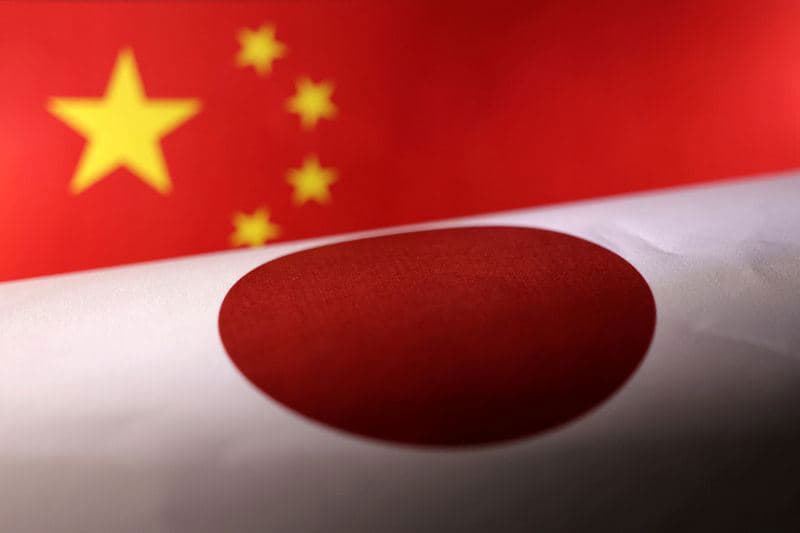
Japan is preparing to revise its diplomatic stance towards China by officially dropping the designation of “most important” from its bilateral relations. This decision is emblematic of shifting geopolitical realities and marks a critical juncture in Japanese foreign policy.
The label, which has historically underscored the significance of Japan-China relations, will be replaced as Japan reassesses its priorities in light of increasing security concerns in the region. Rising tensions in the South China Sea, North Korea’s missile activities, and various economic factors have spurred Japan to adopt a more cautious approach regarding its neighbor.
Japanese officials are emphasizing a balanced perspective on China, acknowledging its important role as a trading partner while also considering the strategic challenges that have emerged. This change reflects Japan's intent to strengthen ties with other regional powers like the United States, while also fostering meaningful, albeit cautious, engagement with China.
The reassessment comes amid discussions on a broader strategy to enhance national security and economic resilience. Japan has been actively deepening its alliances across Asia and beyond, recognizing the need for diversification in its diplomatic relations.
This shift may also resonate with domestic sentiments in Japan, where public opinion regarding China has been increasingly pragmatic, focusing on security and economic independence over traditional notions of partnership.
Moving forward, Japan aims to cultivate relationships based on mutual interests and regional stability, potentially signaling a more nuanced and strategic approach in its dealings with China. As Japan navigates this complex landscape, the implications of this change will likely influence not only bilateral relations but also the broader security dynamics in the Asia-Pacific region.
Published by Banx Network. This article is part of the Banx decentralized media programme, powered by the BXE token on the XRP Ledger.