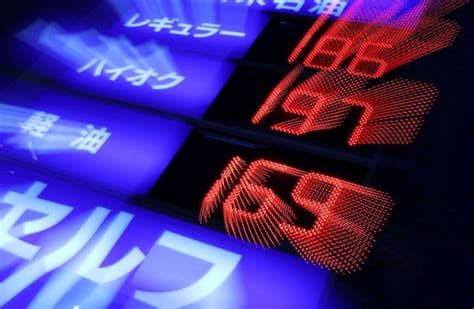
Japan is poised to reconsider its stance on purchasing Russian crude oil, following a recent waiver on sanctions granted by the United States. This development presents a complex dynamic for Japan, balancing energy needs against geopolitical considerations.
The U.S. waiver, aimed at alleviating pressure on global oil supplies, has prompted discussions among Japanese policymakers about the potential benefits of re-engaging with Russian oil markets. Japan, heavily reliant on energy imports, is facing rising domestic energy costs and supply concerns, particularly in the wake of fluctuating oil prices.
Officials are weighing the implications of resuming Russian crude purchases, considering both the economic benefits and the moral responsibility to uphold international sanctions. Japan has previously aligned with G7 nations in condemning Russia’s actions, making this decision critical in maintaining its diplomatic posture.
Industry leaders in Japan are divided. Some argue that increasing access to Russian oil could stabilize domestic markets and reduce energy costs, while others caution against normalizing trade with a country facing widespread international condemnation.
The discussions also highlight Japan's broader energy diversification efforts. The government has been actively seeking alternatives, including renewable energy investments and partnerships with other oil-producing nations. However, with global demand for energy rising, the option to tap into Russian crude remains an attractive, albeit contentious, consideration.
Furthermore, regional security concerns also play a significant role in Japan's decision-making process. The potential for increased tensions in East Asia, along with the longstanding alliance with the U.S., adds complexity to the ongoing discussions about Russia and energy purchases.
In summary, Japan’s consideration of Russian crude purchases following the U.S. sanctions waiver reflects a multifaceted approach to energy security and international relations. The ultimate decision will require careful navigation of economic interests and diplomatic commitments as the geopolitical landscape continues to evolve.
Published by Banx Network. This article is part of the Banx decentralized media programme, powered by the BXE token on the XRP Ledger.