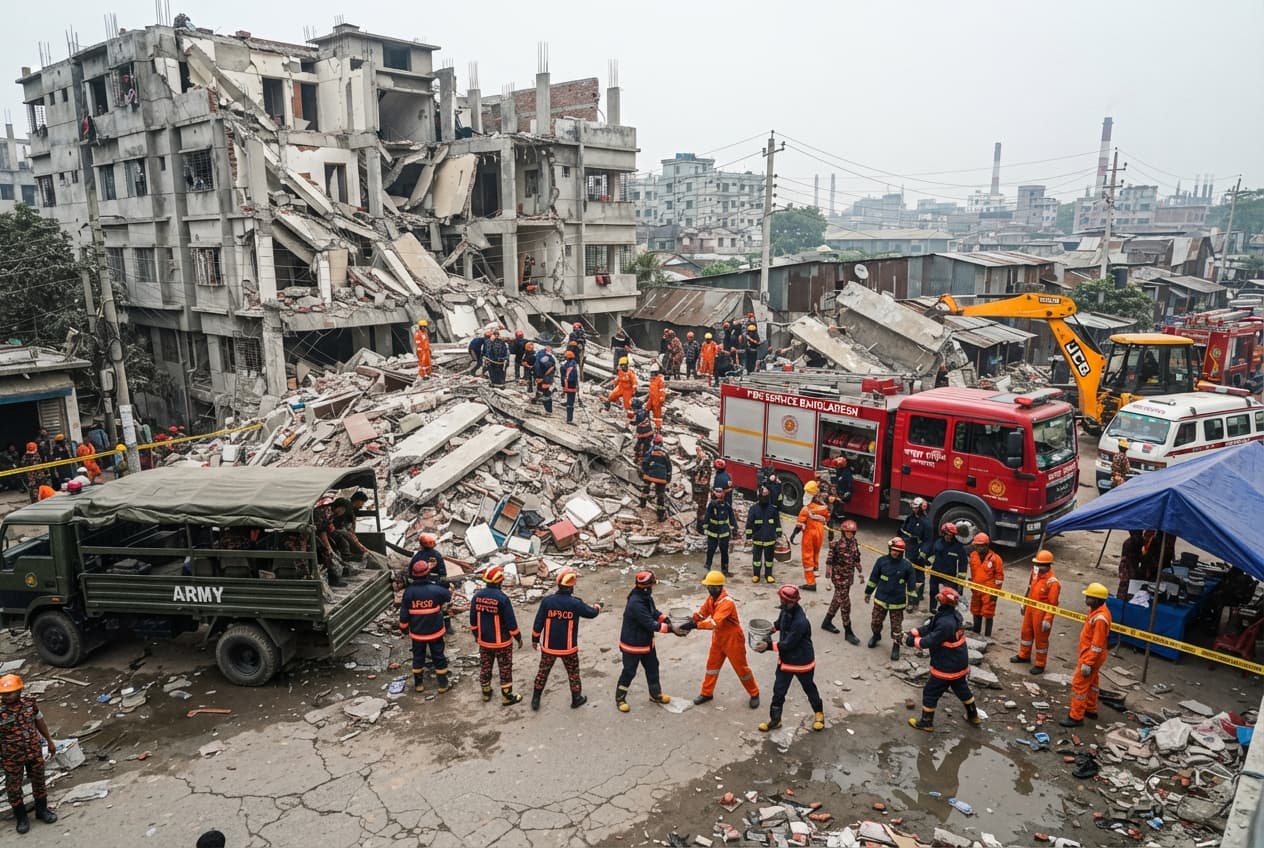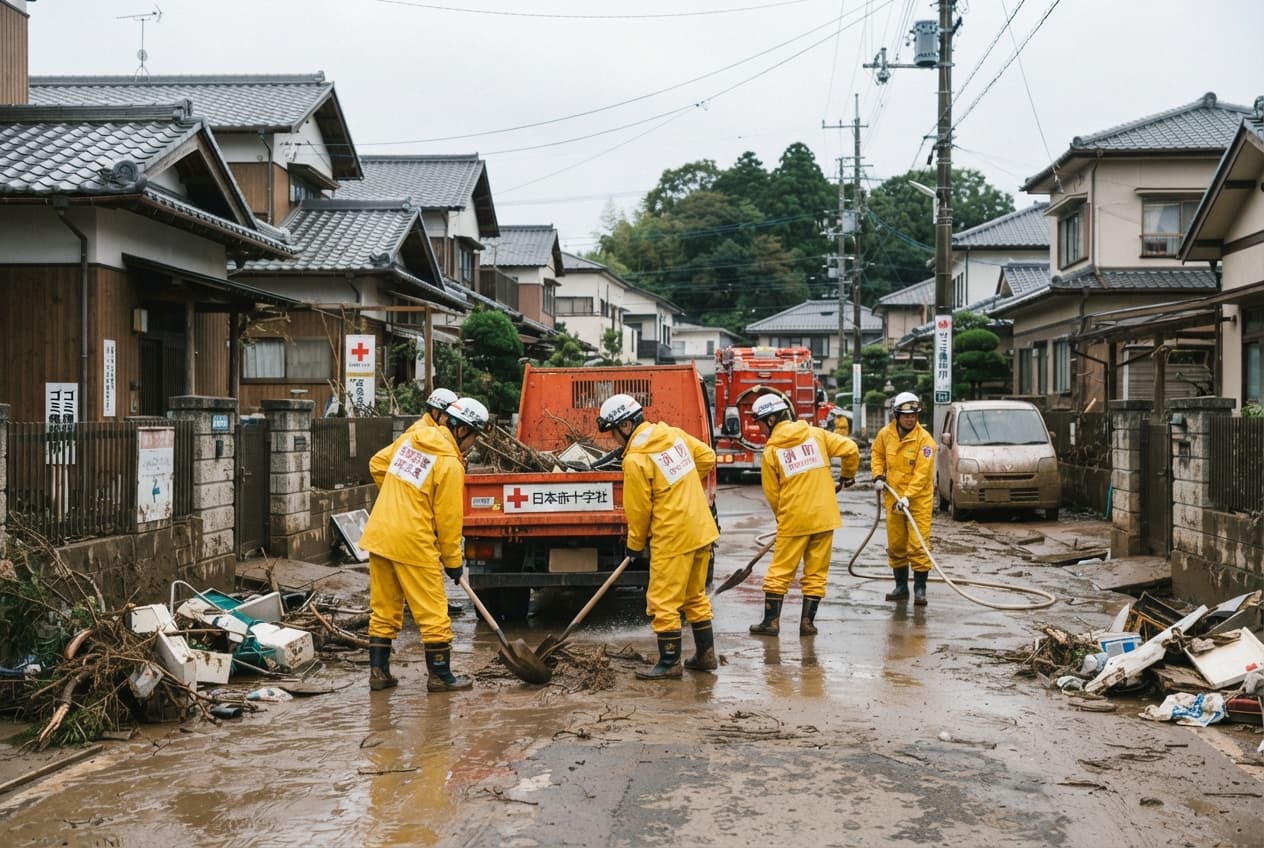
Tokyo, Japan—Municipal cleanup crews fanned out across eastern Japan on Wednesday morning after Typhoon Dujuan swept out into the Pacific Ocean. The storm dumped record amounts of torrential rain across the Kanto region, triggering destructive landslides and severe urban flooding. Emergency services confirmed fatalities across Chiba and Kanagawa prefectures as rescue workers searched for missing residents.
The typhoon struck during the peak of the Silver Week holiday period, paralyzing regional rail lines and forcing the cancellation of hundreds of domestic flights. Utility companies reported tens of thousands of households without electricity in Chiba Prefecture alone. Fallen utility poles and uprooted trees blocked primary arterial highways, isolating mountain communities.
Meteorological stations recorded staggering precipitation totals. Oshima Island, situated south of the capital, registered over 832 millimeters of rain within a forty-eight-hour window. That figure represents more than double the normal precipitation expected for the entire month of September. River banks breached in low-lying residential sectors, submerging vehicles and ground-floor apartments.
"The volume of mud and debris pushed down the hillside overwhelmed our drainage barriers," said local municipal worker Kenji Sato in Kanagawa Prefecture. "We had minutes to evacuate residents before the slope gave way."
Fire and Disaster Management Agency personnel utilized heavy excavation machinery to clear blocked mountain passes where vehicles were trapped by mudslides. Search dogs combed through collapsed residential structures in coastal towns while military units deployed emergency water purification tanks to affected neighborhoods. Transport ministries also monitored a reported refinery oil leak near Yokohama caused by storm surge pressure.
Power grid engineers worked around the clock to repair severed transmission lines, though difficult terrain delayed restoration efforts in rural sectors. Regional rail operators slowly resumed limited service on bullet train lines after safety inspections cleared track beds of debris.
Local governments established temporary evacuation shelters in school gymnasiums for displaced families whose homes sustained structural damage. Insurance adjusters arrived in heavily impacted districts to begin assessing claims.
Emergency response teams continue rescue sweeps through isolated mudslide zones as weather warnings slowly scale down.
Published by Banx Network. This article is part of the Banx decentralized media programme, powered by the BXE token on the XRP Ledger.